




It’s Not Just About More Lasers
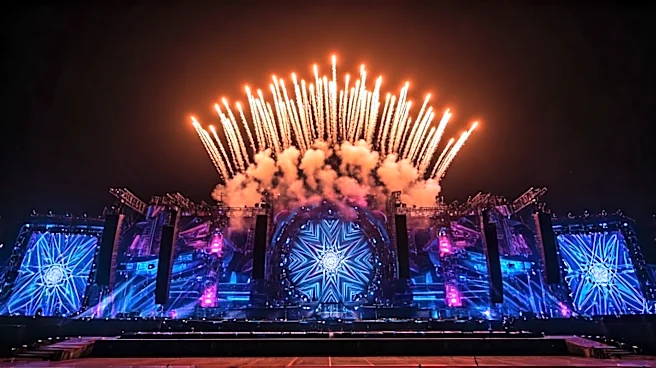
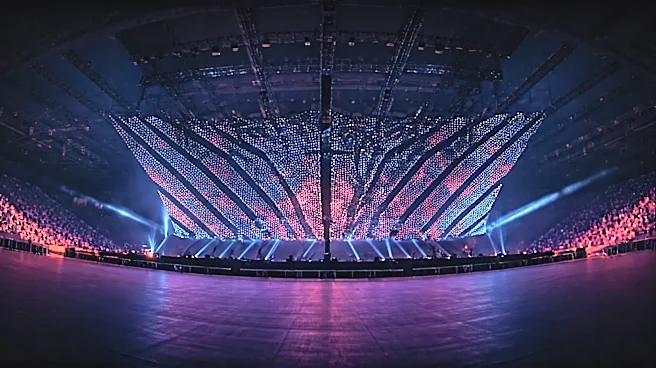
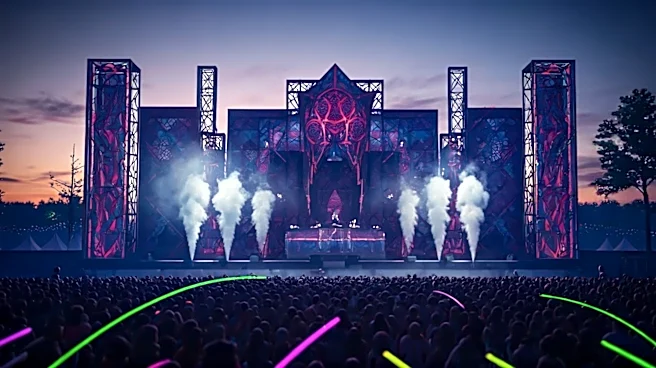
When you’re standing in a crowd of thousands, staring up at a structure like kineticFIELD, it’s easy to assume the secret is simply scale. More lights, bigger video screens, brighter lasers, taller flame cannons. And while EDC’s production is certainly
massive, its true genius isn’t in the quantity of its hardware. You can’t just throw a thousand lights at a stage and expect magic. If you did, you’d get a chaotic, blinding mess. The feeling of a living, breathing entity comes from something far more sophisticated: absolute, perfect, and intentional synchronization. The real trick isn't what you see; it's the invisible force that tells every single element what to do, down to the millisecond.
The Digital Conductor: Timecoding
The secret ingredient is a technique called timecoding. Think of it as a digital conductor for an orchestra of technology. Before the festival even begins, lighting and video designers spend weeks, sometimes months, in a virtual studio, programming the entire show. They sync every single visual element to the DJ’s music, beat by beat, drop by drop. Each flash of a strobe, sweep of a laser, burst of flame, and video graphic on the LED walls is assigned a specific moment on a universal timeline. When the DJ plays that track live, they are essentially pressing 'play' on this incredibly complex visual score. The system ensures that a specific bass drop triggers not just a blast of CO2, but the *exact* corresponding flash of 500 lights and a perfectly timed video glitch, all at once. This removes any chance of human error and creates a level of sensory unity that feels impossibly tight and powerful.
Painting the Air Itself
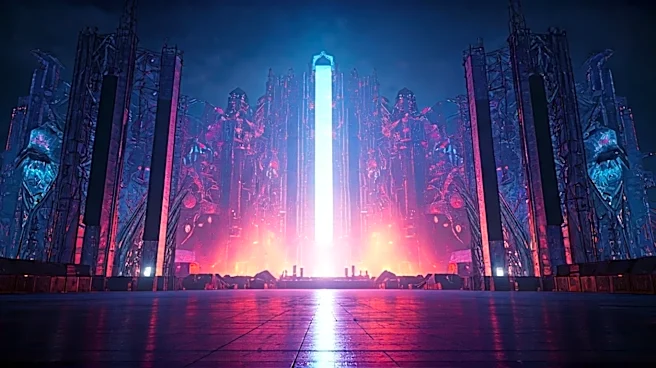
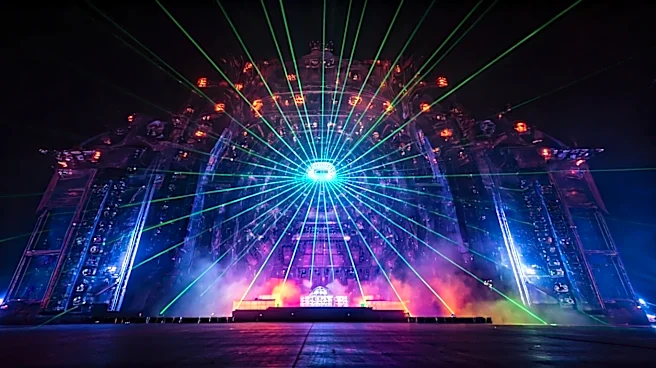
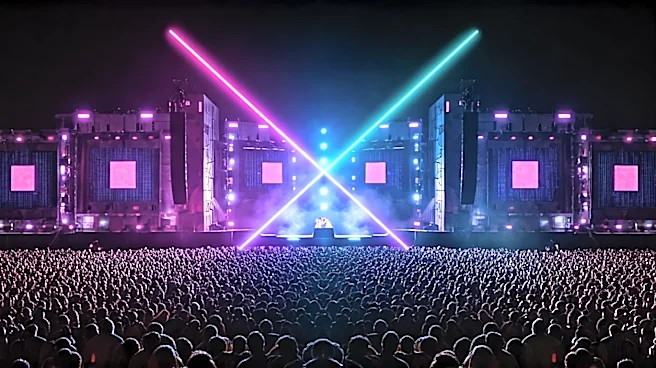
But perfectly synchronized lights are only half the story. If you’ve ever seen a laser beam cut a sharp, vivid line through the night sky, you’ve witnessed the second part of the trick. Lasers and lights are invisible until they hit a surface—a screen, a stage, or your eye. To make those epic, three-dimensional shapes that seem to build a cathedral of light over the crowd, designers have to give the light something to hit in mid-air. This is done with an enormous amount of atmospheric haze and fog. By pumping thin, almost invisible particles of water or mineral oil into the air, designers turn the entire space between you and the stage into a canvas. The beams of light become solid, tangible objects. This is called creating 'volumetric' effects, and it's what transforms a light show from a flat projection into an immersive, 3D environment you feel like you can reach out and touch.
Designing a Total Environment
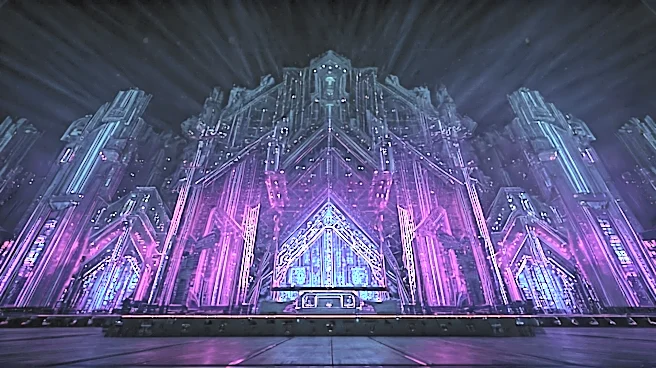
Ultimately, the “one trick” isn’t a single piece of tech but a holistic design philosophy: treat the entire festival ground as one unified sensory experience. The best lighting designers, like EDC’s long-time collaborator Steve Lieberman of SJ Lighting, aren’t just pointing lights at a stage. They are creating a world. The timecoded precision ensures every element works in concert, while the atmospheric haze gives those elements physical form. This approach turns passive spectators into active participants inside the installation. The music, lights, video, and pyrotechnics are no longer separate things happening in front of you; they are one cohesive language, and the stage is using it to communicate directly with you. That feeling of the stage being 'alive' is the result of every single component speaking that language in perfect, overwhelming harmony.