



Building a City vs. Renting a Fortress
A stadium concert, for all its scale, is a 'plug-and-play' event. Venues like SoFi Stadium or Madison Square Garden are purpose-built fortresses of entertainment. They have permanent power grids, established entry and exit points, built-in security infrastructure,
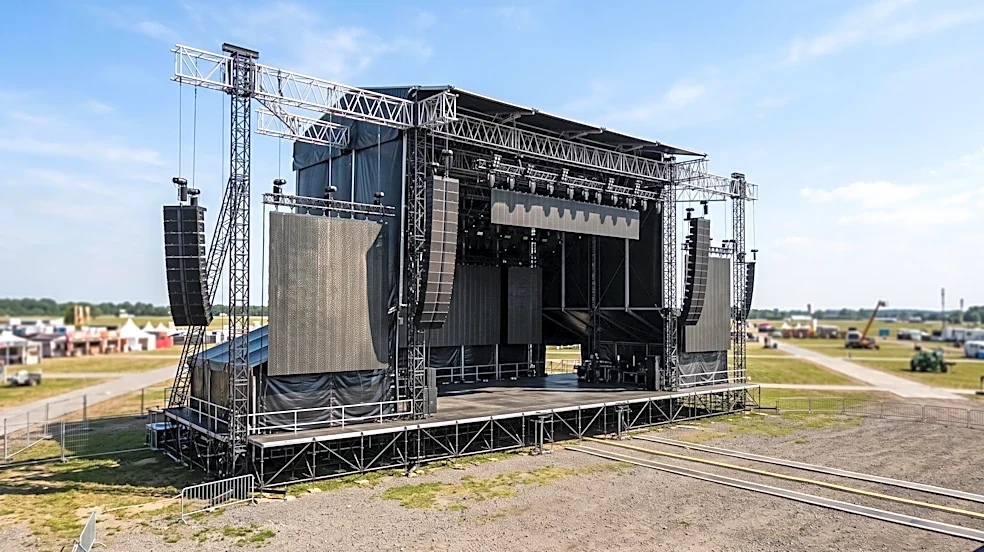
countless bathrooms, and fixed seating. The promoter essentially rents a highly specialized machine. Camp Flog Gnaw, conversely, involves building a small city from scratch on the asphalt of Dodger Stadium's parking lot. This requires bringing in literally everything: massive stages, miles of electrical cables, temporary cell towers, portable toilets, water stations, fencing, and flooring to protect the ground. It’s the difference between booking a hotel ballroom and building the entire hotel for a single weekend.
The Flow of People: A Straight Line vs. A Living Map
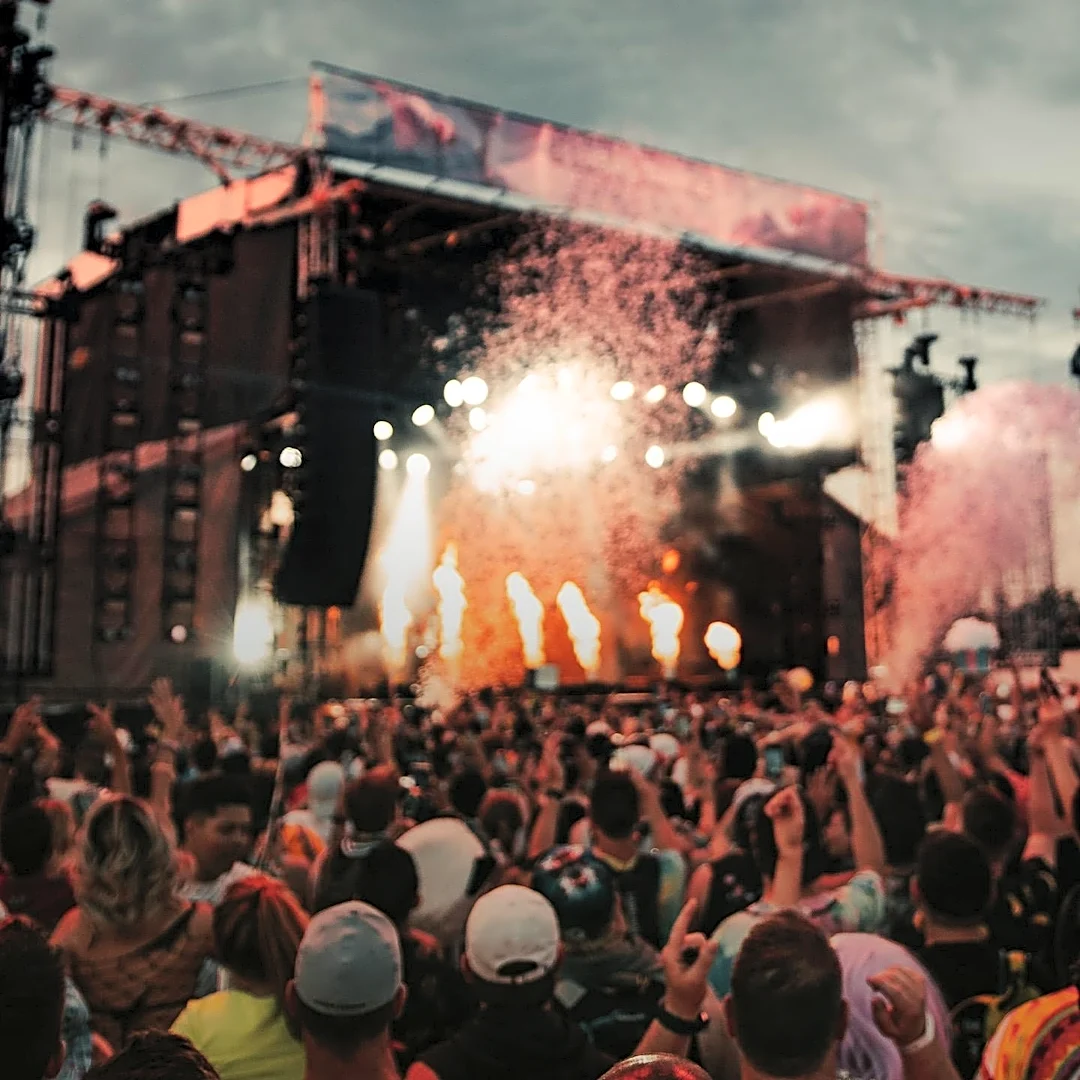
In a stadium, crowd movement is relatively linear. Fans enter through designated gates, move through concourses to find their specific seat, and largely stay put. The goal is efficient containment. A festival like Camp Flog Gnaw is designed for wandering. The layout itself is an attraction, encouraging attendees to drift between multiple stages, carnival rides, food vendors, and art installations. This creates a complex crowd-flow challenge. Organizers must predict and manage movement patterns between competing sets, preventing dangerous bottlenecks and ensuring people can navigate a sprawling, open campus safely. The map isn't just for finding your seat; it’s a guide to your own adventure, which makes managing the flow a constant, dynamic puzzle.
The Sound and Sights: One Focal Point vs. A Symphony of Stages
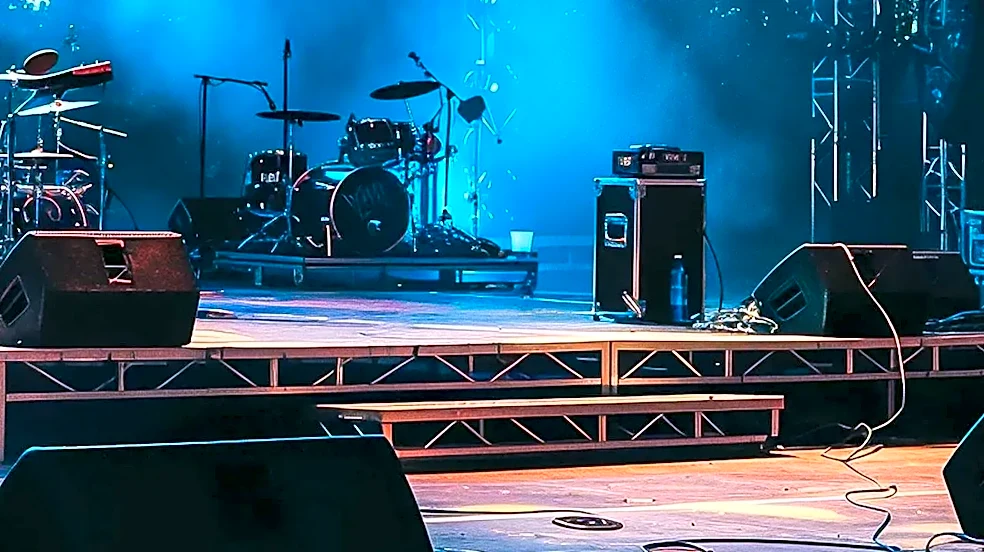
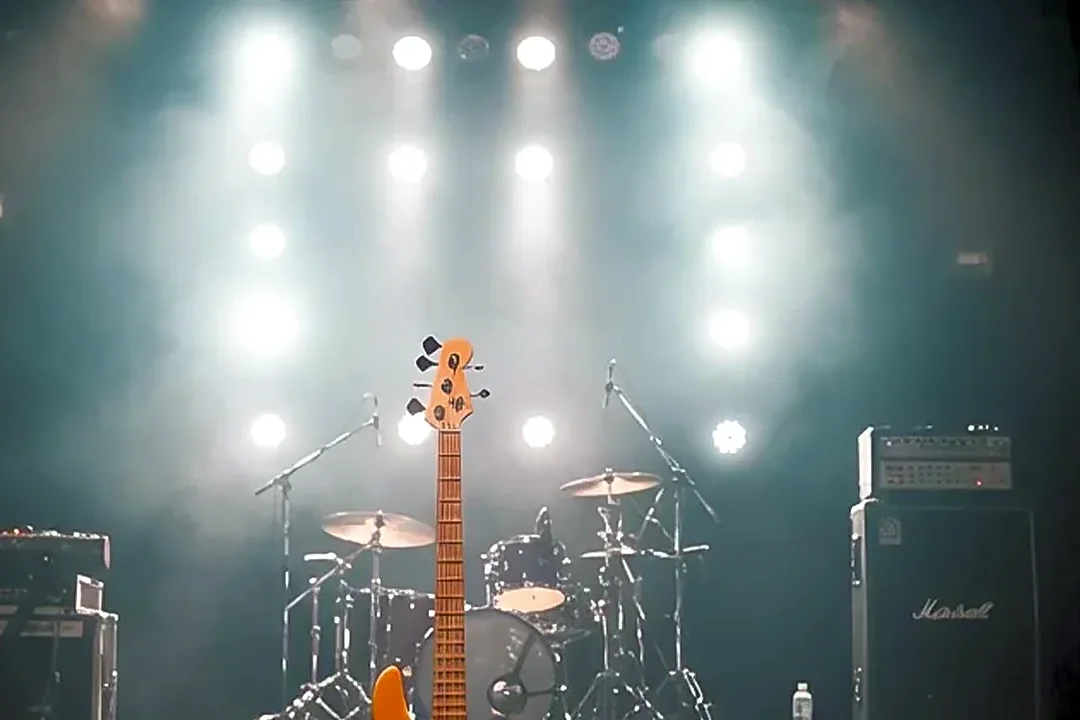
A stadium show is built around a single focal point: the main stage. All sound and lighting is directed inward to create a singular, overwhelming experience for a captive audience. At Camp Flog Gnaw, multiple stages operate simultaneously. This requires immense technical coordination to prevent sound bleed, where the bass from one stage overpowers the vocals on another. Each stage is its own ecosystem with unique lighting rigs, video screens, and sound systems that must be trucked in, assembled, and powered independently. It's not one concert; it's three or four distinct concerts happening side-by-side, each requiring its own dedicated crew and equipment.
The Experience: Performance vs. Curation
While you go to a stadium show to see a specific artist perform, you go to a festival to immerse yourself in a curated experience. A stadium tour's logistics are focused on the artist's needs: load-in, performance, load-out. Camp Flog Gnaw's logistics are equally focused on the 'in-between' moments. Planners are responsible for the entire environment. This includes fabricating large-scale art pieces, managing dozens of independent food and merchandise vendors, and operating literal carnival rides. These aren't just add-ons; they are central to the festival's identity and require their own supply chains, staffing, and safety protocols, adding layers of complexity far beyond a standard concert's scope.
Ingress and Egress: One Parking Lot vs. A Transit Hub
Getting in and out of a stadium is a known, if often frustrating, process, usually centered around massive parking lots and some public transit options. Camp Flog Gnaw, hosted at Dodger Stadium, has to manage this on an even more complicated level. With limited on-site parking sold in advance, the festival heavily relies on a massive, free shuttle system from a major transit hub, Los Angeles's Union Station. This adds another major logistical layer: coordinating a fleet of buses, managing queues at an off-site location, and ensuring tens of thousands of people can get to and from the venue smoothly, all while dealing with LA traffic. It’s less about parking cars and more about running a temporary public transportation system.