
The Shoulder Is Everything
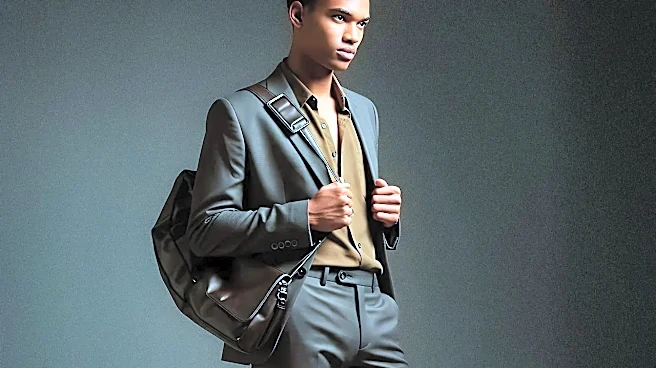
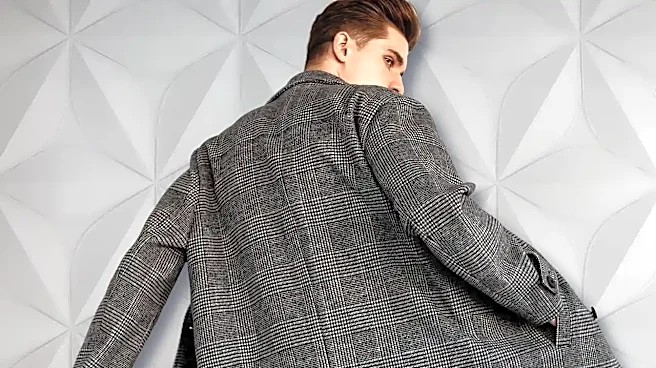
When you look at a suit or tuxedo jacket, the shoulder is its keystone. It dictates the entire silhouette, governing how the fabric drapes over your torso and the impression of your posture. If the lapels are the face of a jacket, the shoulders are its skeleton.
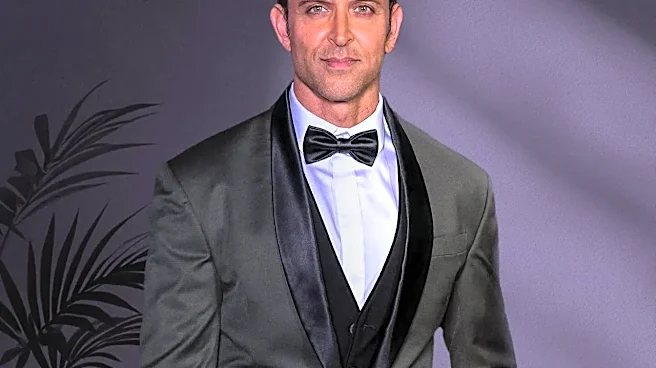
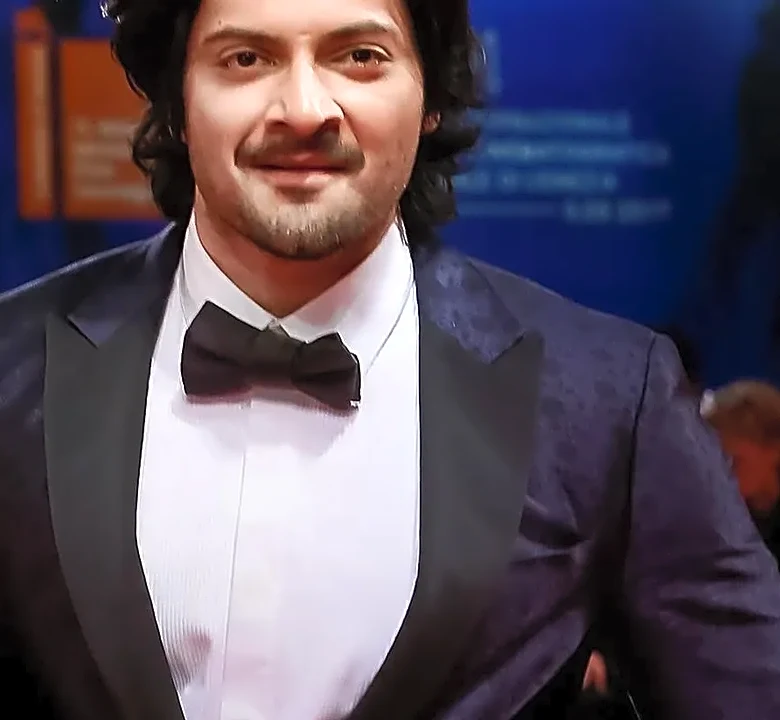
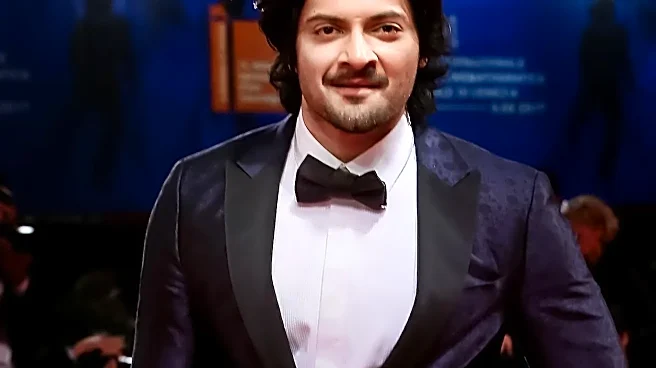
A soft, unpadded shoulder creates a relaxed, natural line. A heavily padded, structured shoulder projects authority and formality. But to achieve that distinct, almost regal 'movie star' look, tailors employ a specific technique that blends structure with a clean, commanding line, making the wearer look both powerful and effortlessly elegant.
Meet the 'Roped' Shoulder
The construction most responsible for that cinematic look is the 'roped' shoulder, also known by the Italian term 'con rollino'. It's defined by a prominent, yet clean, ridge where the sleeve head is attached to the jacket's shoulder. This effect is created by cutting the sleeve head larger than the armhole and skillfully stitching it in to create a raised, 'rope-like' seam. This isn't about massive, 1980s-style padding. Instead, the structure comes from the tension of the stitching and a small amount of wadding inside the sleeve head itself. The result is a shoulder line that appears extended and pronounced, giving the jacket a formal and authoritative silhouette often associated with traditional English tailoring.
The Alternative: A Softer Approach
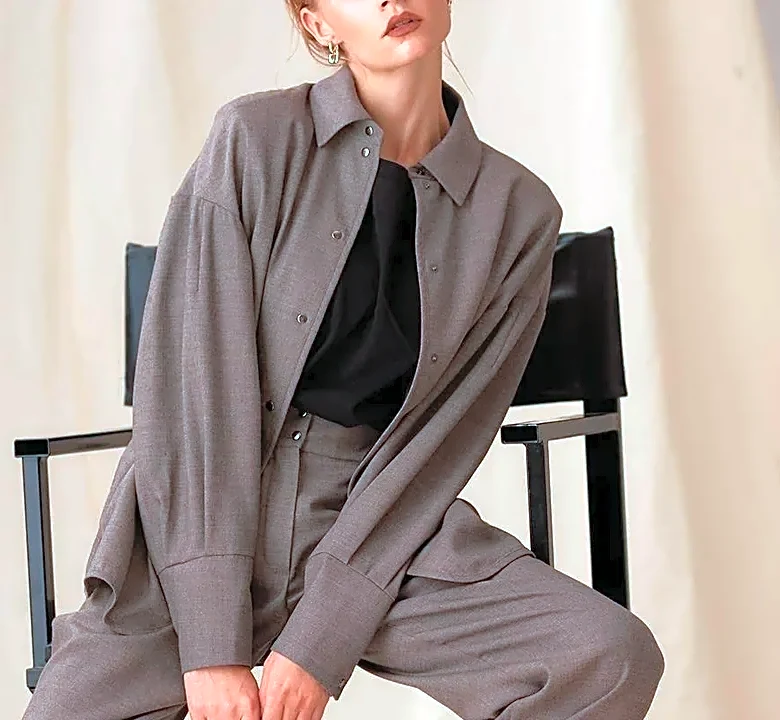
To understand why roping is so effective, it helps to know its opposite: the 'natural' or unstructured shoulder. Popularized in Italian, particularly Neapolitan, tailoring, this style is known as 'spalla camicia', or 'shirt shoulder'. It features little to no padding and follows the natural curve of the wearer's body, creating a soft, relaxed drape. While elegant and comfortable, especially in warmer climates, it projects a sense of nonchalance rather than the sharp formality required for a cinematic tuxedo. The Neapolitan variation even features distinctive puckering or 'shirring' at the sleeve head, a mark of hand-craftsmanship that further softens the look.
The Pagoda: A More Dramatic Cousin
For an even more dramatic and high-fashion effect, some tailors use the 'pagoda' shoulder. This style features a concave line that dips slightly before flaring up to a peak at the sleeve head, often with roping. It’s a highly stylized and sculptural look that creates a strong, V-shaped torso and an unmistakably powerful presence. You can see this type of sharp, architectural shoulder in many of Tom Ford's designs, including some of the dinner jackets worn by Daniel Craig's James Bond. While less common in ready-to-wear garments, the pagoda shoulder is the epitome of statement tailoring.
Why It Creates the Cinematic Effect
A roped or pagoda shoulder transforms a tuxedo from mere formalwear into a piece of sartorial armor. By building up and extending the shoulder line, the construction visually broadens the upper torso and makes the waist appear trimmer by comparison. This creates an idealized V-shaped silhouette that conveys strength, confidence, and authority—all hallmarks of our favorite cinematic heroes. It's a tailoring trick that corrects and enhances the wearer's natural frame, projecting a presence that commands the room before a single word is spoken. The crisp, clean line looks deliberate and regal, which is precisely why it reads so well on screen.