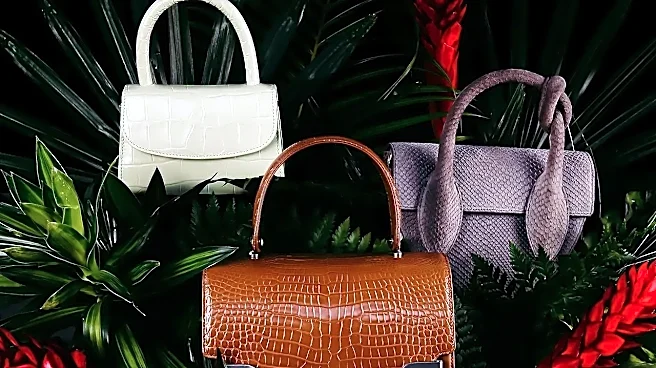

For decades, the peak of luxury was a handbag that stood on its own: rigid, architectural, and unflinching. But a softer, more relaxed silhouette is rewriting the rules. Here’s why a slouchy bag can signal an even deeper sense of luxury.
From Status Symbol to Personal Totem
The traditional
structured handbag operates like a piece of portable architecture. Its rigid lines and defined shape project an image of formality, order, and control. For years, this was the undisputed language of luxury—a bag that announced its presence and, by extension, the status of its owner. It was an external symbol meant to be seen and recognized. The soft bag, however, offers a different proposition. Instead of a standalone object, it’s an accessory that melds with the wearer. A slouchy hobo or a buttery leather tote drapes and folds, adapting to the body and the way it’s carried. This creates a more intimate, personal relationship with the object. The luxury isn't in a stiff declaration of wealth, but in an accessory that feels like a natural extension of one's own style. It suggests the owner’s confidence isn’t derived from the bag, but that the bag is merely complementing a pre-existing sense of self.
When Material Becomes the Main Event
With a rigid bag, much of the focus is on its construction and silhouette. But with an unstructured bag, the material itself takes center stage. A soft bag’s appeal lives or dies by the quality of its leather, suede, or fabric. When a bag is designed to slouch and fold, the tactile experience becomes paramount. You can see and feel the suppleness of the leather; its richness is evident in the way it drapes. This is a core tenet of the 'quiet luxury' movement, where value is communicated through exceptional materials and craftsmanship rather than overt branding. Brands like The Row have built an entire identity on this principle, with bags like the 'Margaux' becoming cult favorites precisely because their luxury is felt in their soft, unstructured form and exquisite leather, not shouted through logos. The luxury is in the inherent quality of the object, a detail appreciated by those in the know.
The Rise of Effortless Elegance
A highly structured bag often requires a certain level of polish to match. It pairs naturally with formal workwear or dressed-up occasions. A soft, slouchy bag, on the other hand, embodies an effortless, modern aesthetic. It suggests a lifestyle that is sophisticated yet relaxed, and confident enough not to require rigid formality. This aligns perfectly with the broader cultural shift away from conspicuous consumption and toward 'stealth wealth'. The slouchy bag doesn't look like it's trying too hard. It can be thrown over a shoulder with jeans and a cashmere sweater or carried into a creative office, feeling equally at home in both settings. This versatility is a luxury in itself. It speaks to a life where elegance isn't a performance reserved for special occasions but an everyday state of being. The bag is practical and capacious without the formal stiffness of a traditional work tote.
A Quiet Rebellion Against the 'It-Bag'
For years, the luxury market was dominated by the seasonal 'It-Bag'—often a rigid, heavily branded, and instantly recognizable piece. The move toward softer, more anonymous designs can be seen as a quiet rebellion against that cycle. Instead of buying the bag everyone is told to want, a consumer choosing a minimalist, unstructured piece is often making a more considered, personal choice. These bags are less about fleeting trends and more about timeless, wearable design. They signal a preference for longevity over hype. In a world saturated with logos and fast-fashion cycles, choosing a bag for its beautiful shape and feel is a statement of individuality. It suggests the owner is buying for themselves and their own life, not for an audience. This turn toward personal, lasting style is, for many, the ultimate form of luxury today.