









Leather: The Scent of Heritage
Close your eyes and think of historic motorsport. What do you see? You probably picture drivers wrestling powerful machines, their hands gripping a wooden steering wheel, clad in leather gloves. You might smell the rich scent of the hide used in the cockpit
of a classic car. For decades, leather was the undisputed king of the track. Chosen for its impressive abrasion resistance, it was the first line of defense for riders and drivers from the 1930s onward. But its role quickly transcended mere function. Leather became a symbol of rebellion, luxury, and the romantic danger of racing. From the Schott Perfecto jacket that became a biker icon to the bespoke interiors of vintage Ferraris, leather speaks a language of craft, patina, and analog soul. It's a material that ages with you, telling a story through every scuff and crease. It represents a time when victory was measured in mechanical feel and raw nerve, not telemetry data.
Nylon: The Fabric of Function
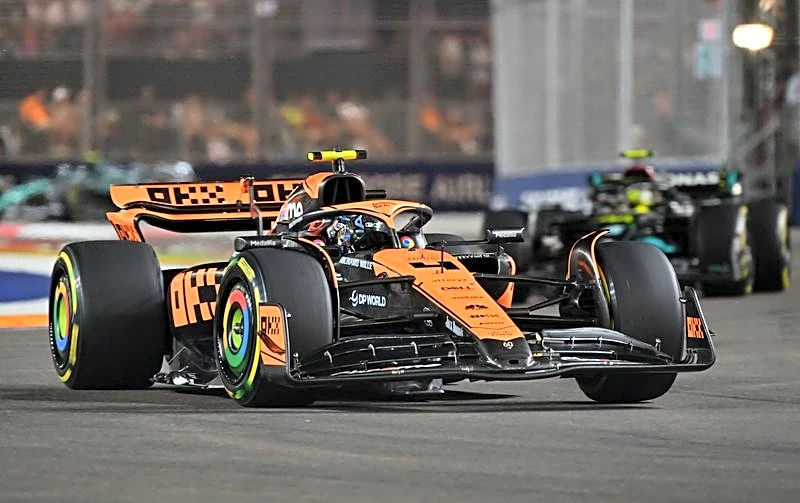
Enter technical nylon and its high-performance cousins like Nomex and Cordura. If leather is about narrative, nylon is about purpose. Its rise in motorsports mirrors the sport's evolution into a high-tech science. Modern racing suits are no longer just 'overalls'; they are sophisticated safety systems designed to be fire-retardant, lightweight, and breathable. A driver's suit, made from layers of Nomex (a flame-resistant aramid), is a cocoon of pure function. In the cars themselves, especially in series like Formula 1, this philosophy reigns. Carbon fiber, a composite material, has replaced wood and metal for its unmatched strength-to-weight ratio. Automakers use nylon and other synthetics for everything from engine components to seat structures to reduce weight and improve efficiency, particularly in electric vehicles. This is the aesthetic of the wind tunnel and the lab—sleek, sterile, and relentlessly optimized for performance. It doesn't ask you to feel nostalgia; it asks you to respect the engineering.
A Clash of Philosophies
At any modern racing event, this visual tension is palpable. A VIP guest might watch the race from a hospitality suite wearing a supple leather jacket, a timeless symbol of status. Down in the paddock, a driver like Lewis Hamilton might arrive wearing a cutting-edge designer look, perhaps a nylon windbreaker or technical trousers, before changing into his purely functional firesuit. The very cars they race embody this split personality. A multi-million dollar hypercar may feature a race-derived carbon fiber monocoque chassis, yet its interior is swathed in hand-stitched leather. One material speaks to our desire for heritage and sensory luxury, while the other speaks to our obsession with progress and marginal gains. Leather is warm and human; nylon is cool and clinical. One is about looking back with reverence, the other about pushing forward without compromise.
The New Trackside Synthesis
For years, these two worlds existed in parallel. But now, they are beginning to merge, creating a fascinating new aesthetic. High fashion has fallen in love with technical fabrics. Brands like Prada, once known for its Saffiano leather, made a signature out of nylon, proving that utilitarian materials can be luxurious. On the other side, performance brands are incorporating a sense of style and luxury once reserved for fashion houses. The trackside look for 2026 isn't about choosing between leather or nylon; it's about the artful combination. Think of the spectator in a vintage-style racing jacket paired with technical cargo pants, or the official team polo worn with high-end sneakers. It's a mix that says you appreciate the history of the sport but are fluent in its modern, high-tech reality. This blend of old-world materials and new-world tech is the new uniform for the modern motorsport enthusiast.