


The Moment a Crowd Becomes a Choir
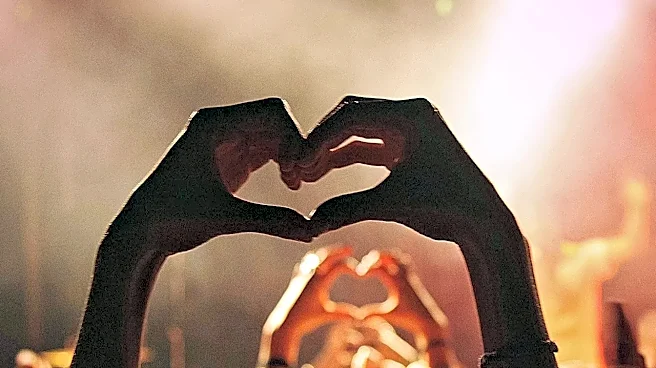
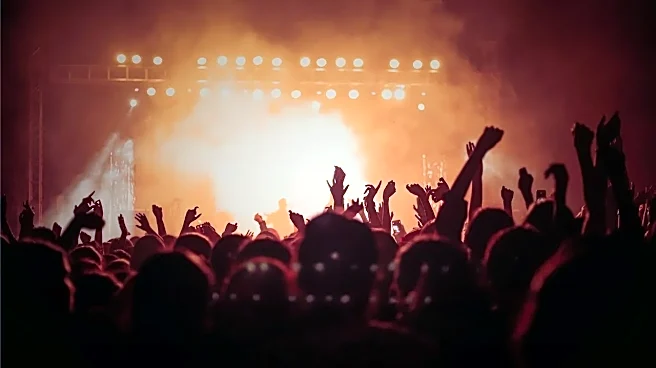
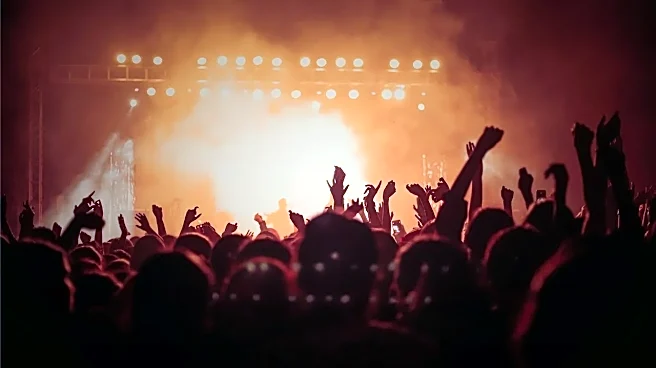
There’s a specific feeling that washes over a festival field when a massive, unifying chorus takes hold. It’s a phenomenon sociologists call “collective effervescence”—a feeling of shared energy and harmony that happens when a group engages in a single,
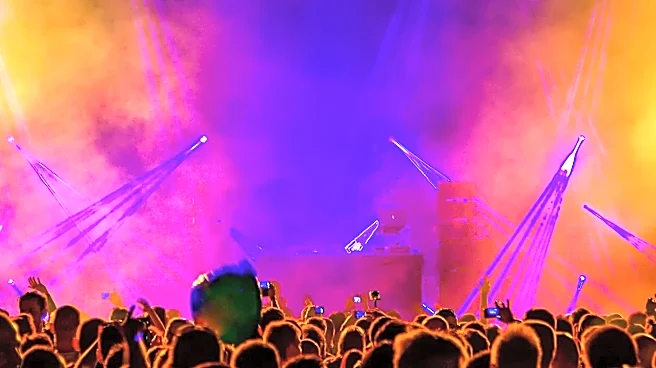
focused purpose. Suddenly, you’re not just a person in a crowd of thousands at Zilker Park; you’re part of a temporary tribe. The physical and emotional barriers dissolve for a few minutes as everyone, from the front-row diehards to the folks on blankets in the back, connects over a shared lyric. This transformation is a powerful antidote to the isolation of modern life, creating a fleeting but profound sense of belonging. At a festival as diverse as ACL, which pulls in fans of all ages and musical tastes, these moments of unity are what stitch the entire experience together.
The Science of Singing Together
That warm, fuzzy feeling isn’t just in your head—it’s biochemical. When we sing with other people, our brains get a cocktail of feel-good chemicals. Studies show that group singing can release endorphins, which are associated with pleasure and can even increase pain thresholds. It also sparks the release of oxytocin, often called the “bonding hormone,” which fosters trust and social connection. This might explain why a great singalong feels so good. Your brain is essentially rewarding you for participating in a communal activity. For a few minutes, thousands of strangers are biochemically encouraged to trust and connect with one another, all thanks to a killer chorus. It’s an act of synchronization that makes people feel more united and part of something bigger than themselves.
The Anatomy of a Perfect Festival Anthem
Not every hit song is destined to become a festival anthem. The best ones are engineered for mass participation. They often feature simple, repetitive, and emotionally resonant choruses that are easy to pick up even if you don’t know every word to the verses. Think of the cathartic release of shouting “I got soul, but I’m not a soldier” during The Killers’ “All These Things That’s I’ve Done” or the unified swell during a classic like Queen's “Bohemian Rhapsody.” The lyrics are often universal, touching on themes of love, loss, defiance, or celebration that a huge, diverse crowd can relate to. The musical structure builds anticipation, leading to a massive payoff in the chorus that feels designed to be yelled back at the stage. These aren't just songs; they are invitations to participate.
How Artists Cultivate the Moment
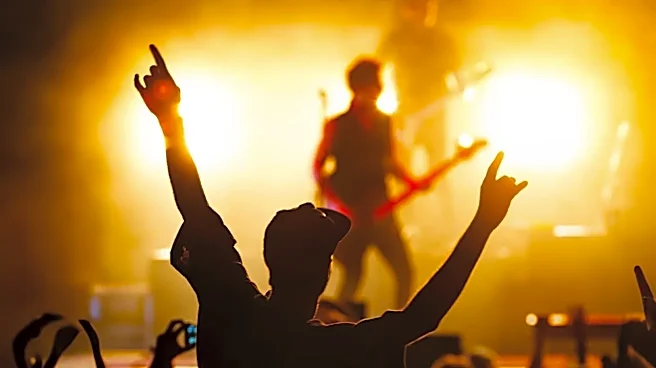
The artist on stage is the conductor of this mass choir. The best performers know how to create space for the audience, turning their set from a performance into a collaboration. They might hold the microphone out to the crowd, drop the instrumentation to let the voices soar, or simply smile as thousands of people sing their words back to them. Acts like Empire of the Sun have been noted for having fans singing in unison, creating a powerful collective experience at festivals. A great festival artist understands that the show isn't just about them; it's about the shared experience they can create. It’s a moment where the boundary between performer and fan blur, solidifying a memory that lasts long after the final chord has faded and the festival lights have gone down.