





The Unspoken Rules of Couture
In the mid-20th century, the Paris fashion world operated on a precise calendar. Couture houses would present their new collections to the press and buyers weeks before the clothes were available in stores. This long lead time gave magazines like Vogue
and Harper's Bazaar the chance to photograph the creations and build excitement for the upcoming season. It was a system built on trust and mutual benefit. For American department store buyers, this window was crucial. It allowed them to see the trends, place orders, and—most importantly—commission less expensive, mass-market copies of the Parisian designs for their customers back home. This was the accepted, if sometimes frustrating, reality for designers: their expensive, painstakingly crafted art would inevitably be knocked off.
A Silent, Decisive Rebellion
Cristóbal Balenciaga, an intensely private and perfectionistic Spanish couturier, hated this system. He viewed the rampant copying not as a form of flattery, but as a theft that devalued his work. A master tailor who could construct a garment from start to finish with architectural precision, he believed his designs deserved protection. So, in 1956, he made a shocking decision. He announced he would no longer show his collections to the press on the industry's schedule. Instead, he would present them just one day before shipping the finished garments to his clients and stores. This threw the fashion world into chaos. Journalists and editors, accustomed to weeks of access, were suddenly forced to scramble. Some boycotted his shows entirely. But Balenciaga held firm, joined in his protest by his protégé, Hubert de Givenchy.
The Architect of a New Silhouette
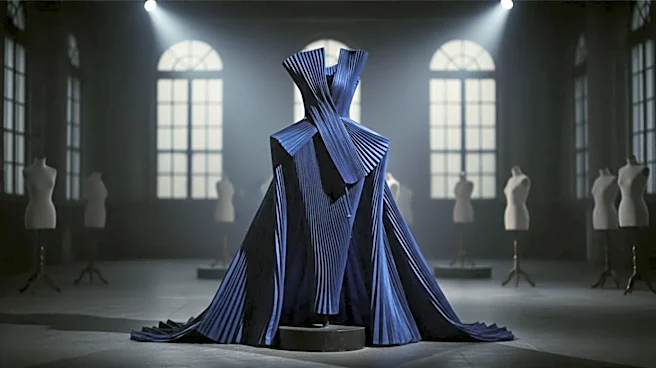
Balenciaga's rebellion wasn't just about timing; it was deeply connected to his revolutionary approach to design. While contemporaries like Christian Dior were cinching women into hourglass figures with his 'New Look', Balenciaga was doing the opposite. He was liberating the body. He dropped waistlines, broadened shoulders, and introduced voluminous, sculptural shapes that stood away from the female form. His cocoon coats, balloon skirts, and, most famously, the 1957 sack dress were unlike anything the public had ever seen. Initially met with confusion—the Daily Mirror cried, "It's hard to be sexy in a sack!"—these designs were exercises in pure form, prioritizing structure and movement over conventional hourglass femininity. They were garments that required confidence and a sense of style to wear, a hallmark of the loyal clients he dressed, from royals to Hollywood stars.
From Paris to Main Street, USA
Ironically, Balenciaga's attempts to thwart copyists ultimately made his influence on American fashion even more profound. By delaying his shows, he made his designs the most coveted and mysterious of the season. And his radical new silhouettes were perfectly suited for the burgeoning American ready-to-wear market. Unlike a complex, corseted Dior suit, a sack dress or a chemise was relatively easy to mass-produce at various price points. These shapes didn't require a perfect figure; they created their own line. American women embraced the comfort and modernity of these looser-fitting garments. Balenciaga's ideas trickled down, fundamentally changing the silhouette of American fashion from formal and fitted to something more relaxed, abstract, and modern. He didn't just influence high-end designers who admired him, like Oscar de la Renta and Emanuel Ungaro; his concepts reshaped the very clothes hanging in department stores across the country.