



A Pop Culture Flashback
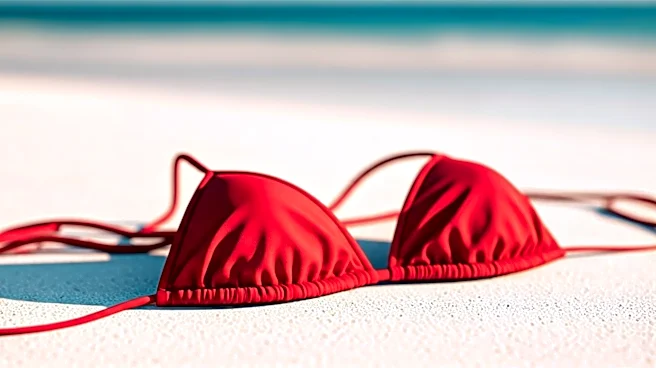
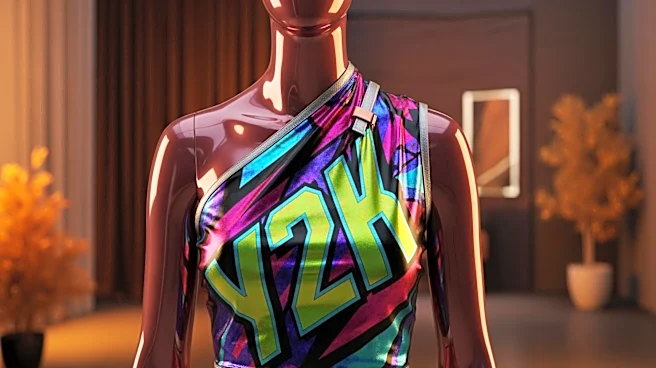
Cast your mind back to the early 2000s. It was a time of low-rise jeans, butterfly clips, and a specific flavor of maximalist pop-culture energy. At the heart of its summer uniform was the side-tie string bikini. Worn by icons of the era like Christina
Aguilera in her “Dirrty” music video, Britney Spears on tropical vacations, and Paris Hilton on, well, everywhere, the side-tie bikini was less a piece of swimwear and more a statement. It was fun, flimsy, and often rendered in sparkly fabrics or loud prints. The ties weren’t a detail; they were the main event, designed to be knotted into delicate bows on tan hips. This version was accessible, youthful, and synonymous with the mass-market, MTV-fueled aesthetic that defined the turn of the millennium. It wasn't about timeless elegance; it was about fleeting, sun-drenched fun.
The Wilderness Years
Like many ultra-specific trends, the Y2K-era side-tie bikini eventually fell out of fashion’s favor. As the 2000s gave way to the 2010s, tastes shifted. The new ideal became more structured, athletic-inspired swimwear or vintage-style high-waisted bottoms. The string bikini, particularly the side-tie version, began to look dated. It lingered in the realm of college spring break trips and discount swimwear racks, carrying the baggage of an era that high fashion was trying to forget. For a time, it was considered more tacky than chic, a relic of a less sophisticated period. It wasn't a piece you’d find in the carefully curated collections of emerging minimalist brands or established luxury houses. It was, for all intents and purposes, in style exile.
From String to Signature
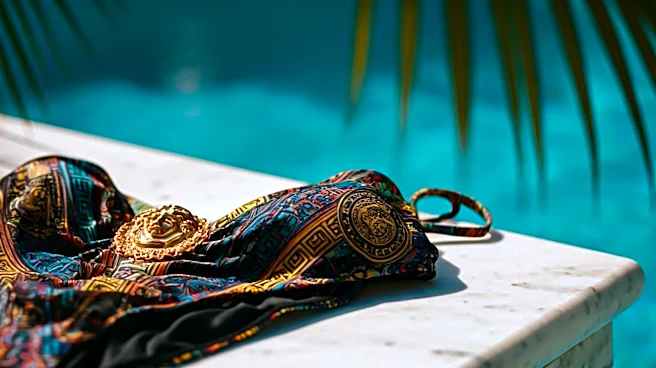
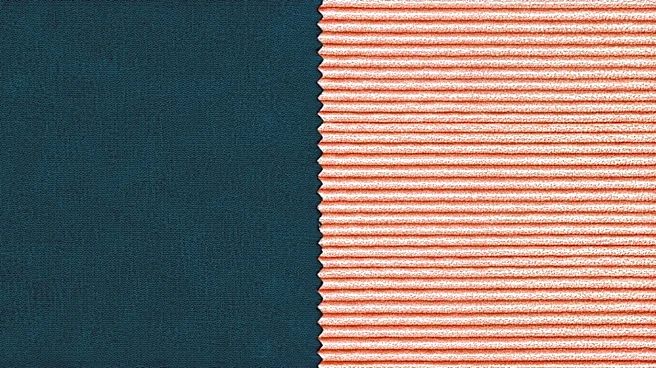
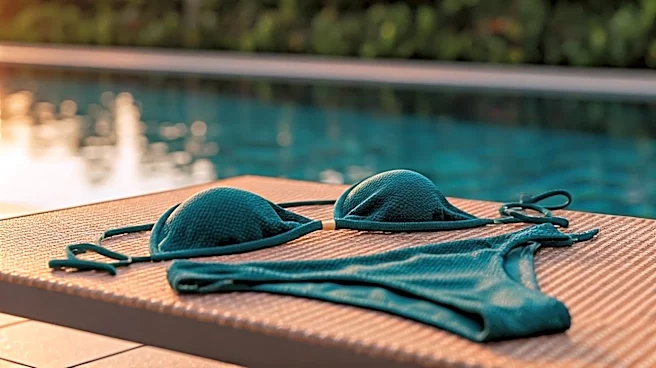
The comeback, when it happened, wasn’t just a simple revival. It was a complete rebranding. Luxury swimwear labels began to see the potential in the side-tie’s simple, flattering silhouette, but knew it needed a serious upgrade. The transformation happened in the details. Cheap, shiny polyester was replaced with high-end Italian lycra with a matte finish or a subtle, textured jacquard weave. Flimsy strings were upgraded with gold-plated cord ends or tortoiseshell rings. The cut was also refined. Instead of sitting low on the hips, the new side-tie bottoms were designed to be worn higher, creating a leg-lengthening effect that felt more modern and elegant. Brands like Melissa Odabash, Vix, and Zimmermann didn’t just copy an old design; they reverse-engineered it for a wealthier, more discerning customer. They kept the flattering adjustability but stripped away the disposable, trend-driven associations.
The New Status Symbol
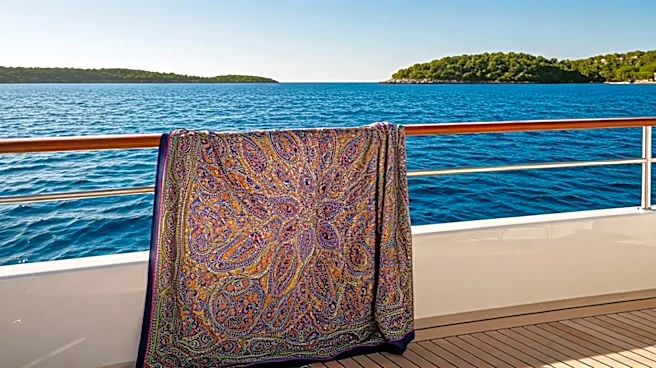
So why has this reimagined style become a modern luxury signature? It perfectly captures the current mood. First, there’s the powerful 20-year nostalgia cycle that has brought all things Y2K back into the spotlight. But unlike a pure vintage revival, this is an elevation. Second, the adjustable nature of side-ties aligns with a modern desire for customizable fit and body positivity—it can be tweaked to fit perfectly, a feature that feels inherently premium. Finally, its context has completely changed. It’s no longer styled with a belly chain and frosted lipstick. Today, the luxury side-tie is paired with a crisp linen cover-up, designer sunglasses, and a basket bag. It’s the uniform of a quiet vacation in Positano, not a raucous party in Cancun. By changing the fabric, the hardware, and the way it’s styled, fashion has successfully transformed the side-tie bikini from a teen dream into an aspirational symbol of grown-up glamour.