





The Enemy: Dead Air
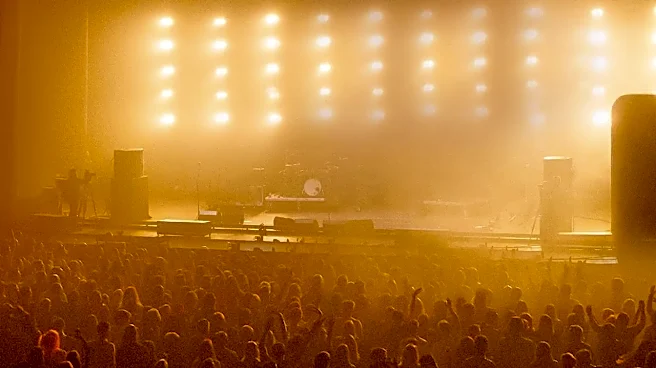
At a major music festival like Outside Lands, silence is the enemy. "Dead air"—those unplanned, empty moments between sets—can kill the energy of a crowd of 75,000 people. A delayed changeover has a domino effect, pushing back every subsequent act, frustrating
artists, and risking costly curfew violations. For festivalgoers, it feels like an awkward pause; for the production team, it's a high-stakes failure. The people tasked with defeating this enemy are the stage managers, the on-the-ground generals responsible for making sure the show, a meticulously planned document, translates into reality without a hitch. Their entire job is to make the impossibly complex look effortless.
The Battle Plan Is Everything
The war on dead air is won months before the first chord is struck. Stage managers and production teams begin their work by collecting and dissecting the technical riders and stage plots for every single artist. These documents detail everything from amp placement to microphone needs and are combined into a master plan, often called a "show bible" or "run of show". This plan is a minute-by-minute script for the entire day. It dictates not just when a band plays, but how their gear arrives, where it's prepped, and who is responsible for every single cable and connection. The goal is to anticipate needs, identify potential conflicts between artists' setups, and have a solution ready before it becomes a problem backstage.
The 15-Minute Dance
The most visible part of a stage manager’s job is the changeover—the frantic, highly choreographed ballet of crew and equipment that happens between sets. Often lasting just 15 to 30 minutes, this process is a masterclass in efficiency. Many festivals use rolling risers, which are essentially stages on wheels. A band's entire drum kit or DJ setup can be built and line-checked on a riser backstage while the previous band is still playing. When the time comes, the old gear is rolled off and the new gear is rolled on, connecting to the main system through multi-pin connectors that combine dozens of audio lines into a single plug. Stagehands use color-coded labels and follow a specific "changeover plot" that maps every movement, ensuring the right gear goes to the right place in the right order.
Communication and Contingency
No matter how good the plan is, things go wrong. An artist gets stuck in traffic, a key piece of gear fails, or the weather turns. This is where stage managers truly earn their keep. Their headset is a command center for constant, clear, and concise communication between lighting, sound, video, artist liaisons, and security. They are professional problem-solvers, ready to execute Plan B (or C, or D) at a moment's notice. This could mean dynamically shifting set times and alerting the audience via festival apps, having backup generators and backline equipment ready to go, or coordinating a 'silent line check' where technicians tap mics to confirm they work without making a sound through the main speakers. Their unflappable calm under pressure is what keeps a minor hiccup from cascading into a show-stopping disaster.