





The Classic Shoulder Bag
The shoulder bag, with its medium-length strap designed to be worn over one shoulder, is a staple. When a shoulder bag has a shorter strap, it sits snugly under the arm, becoming part of your upper body's silhouette. This position keeps the bag secure
and works well in crowded spaces. However, a longer strap allows the bag to rest at the hip, giving it more swing and movement. The main drawback is the focused weight. All the pressure lands on one shoulder, which can lead to discomfort, strain, and postural shifts over time, especially with a heavy bag. This uneven load also means the bag constantly rubs against one spot on your clothing, which can lead to pilling and friction wear, particularly on delicate knits or woven fabrics.
The Crossbody Advantage
For comfort and clothing preservation, the crossbody is a clear winner. By draping the strap diagonally across your torso, the bag’s weight is distributed much more evenly across your body, reducing the intense pressure on a single shoulder. This ergonomic design is a game-changer for long days, travel, or when you’re carrying heavier items. Because the bag is held more securely against your body and doesn't swing as freely, the friction is often less concentrated and aggressive. While any bag can cause some rubbing, the stable nature of a crossbody minimizes the constant, abrasive motion that leads to fabric pilling on sweaters and coats. It’s also the champion of hands-free convenience, making it ideal for commuting and active days.
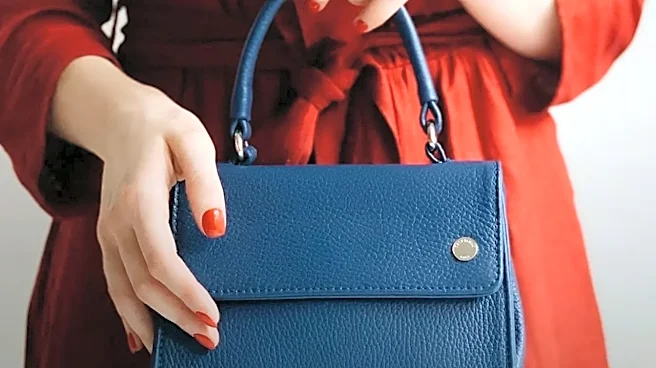
The Elegant Top Handle
A bag with short top handles is designed to be carried in your hand or in the crook of your arm. This style eliminates almost all friction against the body of your clothing, making it the safest choice for preserving delicate fabrics like silk, cashmere, or loosely woven materials. Holding the bag this way projects a polished, intentional look often associated with professional or formal settings. The trade-off is convenience; your hands are not free. While this carrying style avoids fabric damage, it places all the weight directly on your hand and arm, which can be impractical for long durations or when you need to be hands-free. Many top-handle bags now come with a detachable longer strap, offering a welcome dose of versatility.
Material and The Rub
The material of the bag and its straps is just as important as the placement. Rough, synthetic fabrics like coarse canvas or some types of nylon mesh on a bag’s back panel or strap can act like sandpaper against softer clothing fibers, accelerating pilling. This is a common complaint with certain backpacks and messenger bags. In contrast, smooth materials like leather are far less abrasive. A bag with a smooth leather back and a leather strap will glide over your clothing with much less friction than one made from a heavily textured synthetic. When choosing a bag, run your hand over the side that will rest against your body. If it feels rough to you, it will feel even rougher to the delicate fibers of your favorite sweater.
The Wristlet and Clutch
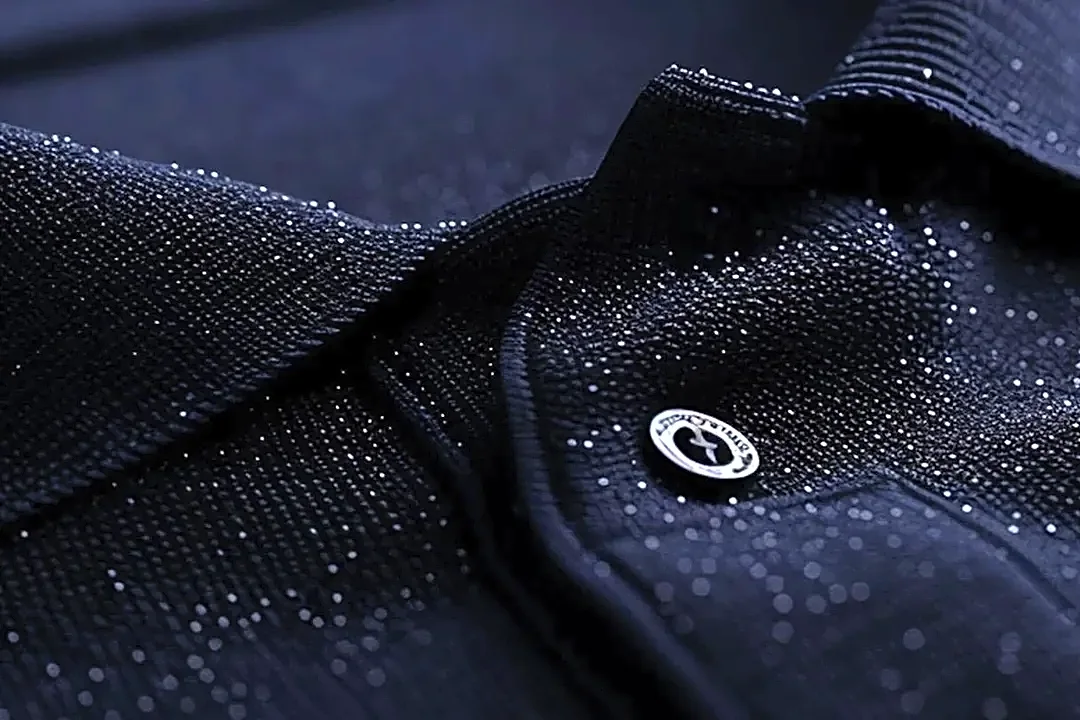
Small evening bags like clutches and wristlets interact with clothing in a completely different way. A wristlet, with its looped handle, hangs from the wrist, creating minimal contact with your outfit except for perhaps your cuff. A clutch, held in hand or tucked under the arm, is also a low-impact choice. When tucked under the arm, it’s held securely and doesn't rub back and forth. The main consideration here isn't friction wear, but potential snagging. Beaded, sequined, or embellished clutches can easily catch on delicate fabrics like lace, chiffon, or fine knits, so be mindful of the pairing of your bag's texture with your outfit's material.