



Start with Your Outfit 'Anchors'
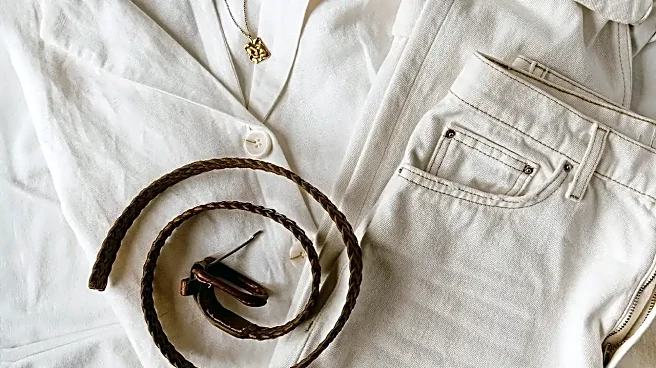
Before you think about a whole week, think about one perfect outfit. What’s your go-to combination when you need to feel confident and comfortable? This is your starting point. It could be a pair of well-fitting jeans and a classic button-down, or a simple
knit dress and a blazer. Identify two or three of these core 'uniforms' that form the foundation of your style. These anchor outfits aren't about being boring; they're about being efficient. Check your calendar for the week ahead—note any special meetings or events that require a specific dress code. Plan these 'anchor' days first, as it makes organizing the rest of your week much easier by setting some clear boundaries.
Embrace the 'One Bottom, Three Tops' Rule
The fastest way to create variety is to rotate what you wear on top. Choose one versatile bottom—like a great pair of trousers, a favorite skirt, or dark-wash jeans—and plan to wear it multiple times a week. The secret is that no one will notice the repeat if you pair it with three distinctly different tops. For example, your favorite black pants can be worn on Monday with a silk blouse for a professional look, on Wednesday with a casual striped sweater, and on Friday with a simple tee and a jacket. This strategy instantly triples the utility of your best bottoms while keeping your overall look fresh.
Master the 'Third Piece' Rule
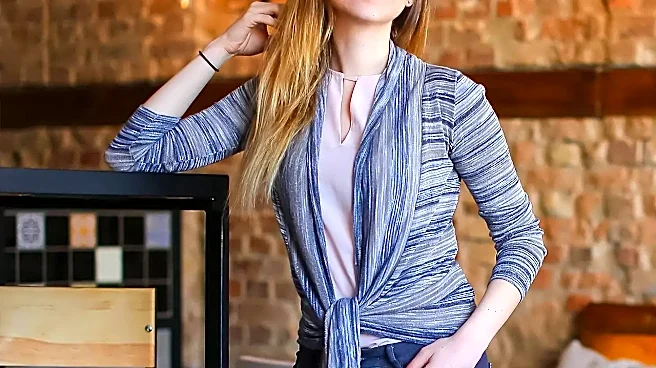
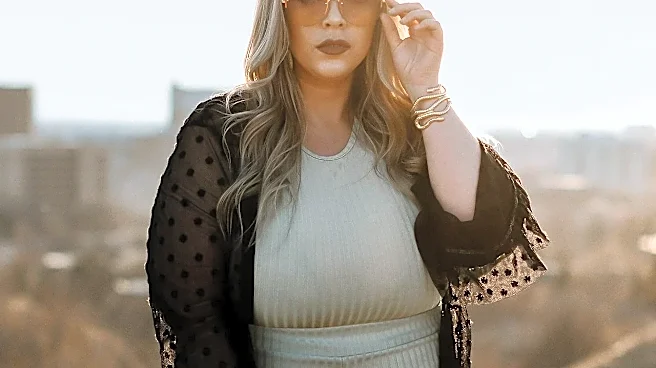
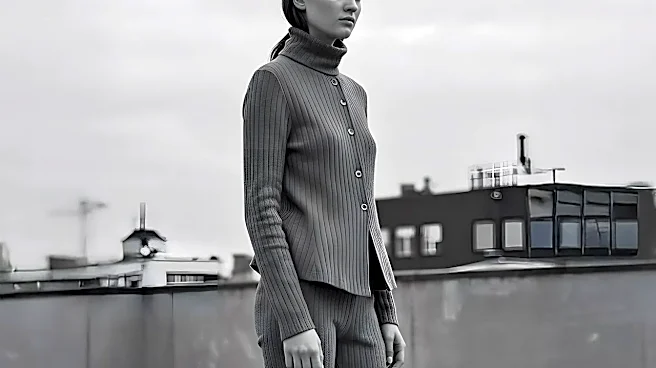
A 'third piece' is a game-changing layer that instantly elevates a basic top-and-bottom combination. This can be a structured blazer, a cozy cardigan, a denim jacket, a vest, or even a stylish kimono. A simple T-shirt and jeans can look entirely different with the addition of a sharp blazer versus a relaxed, open-front cardigan. Your outerwear can become the new focal point of the outfit, drawing the eye and making the base layers underneath feel completely new. This is the simplest way to disguise a repeat outfit while adding depth, texture, and personality to your look.
Let Accessories Do the Heavy Lifting
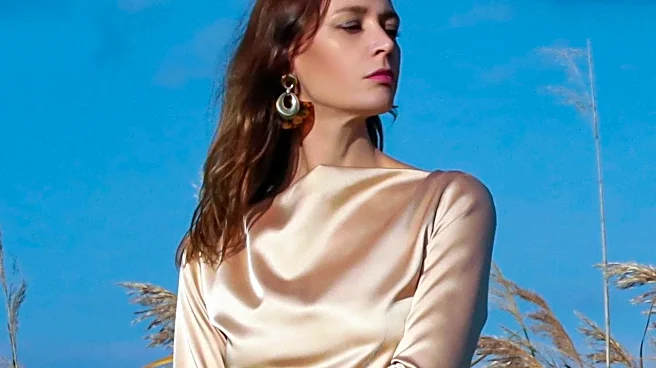
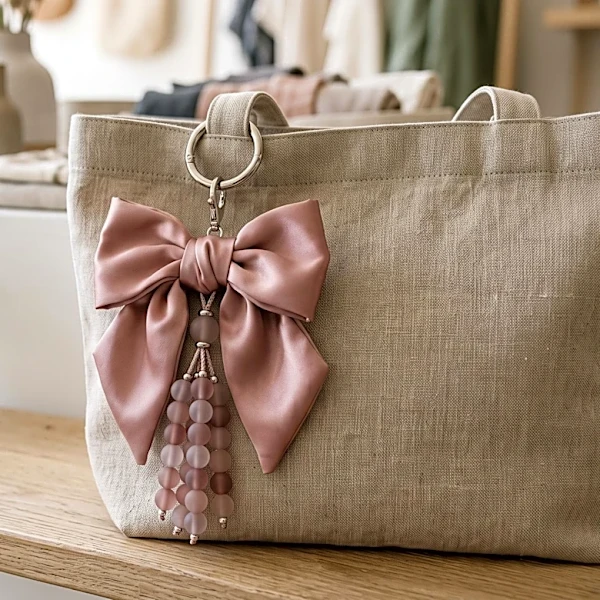
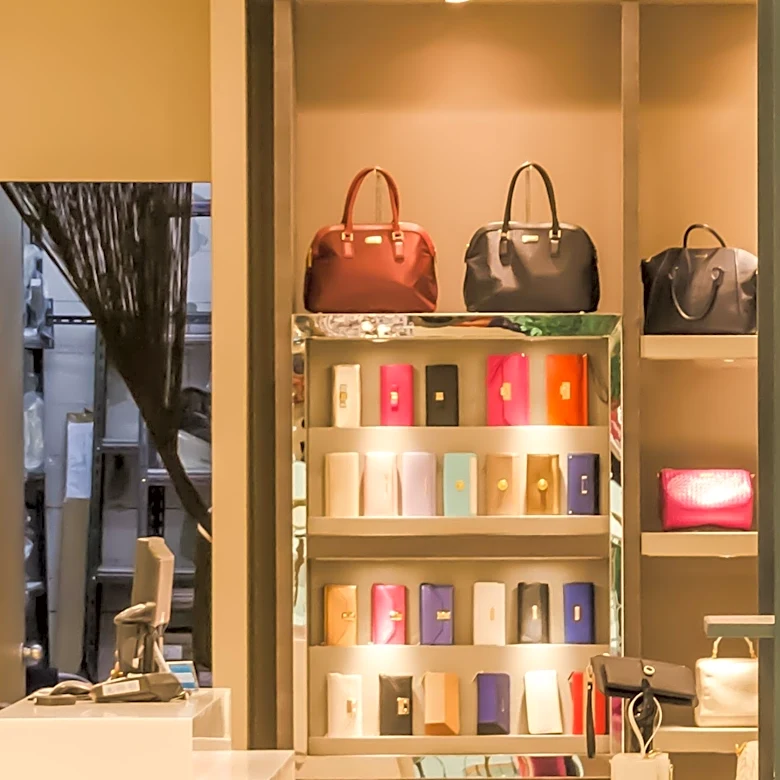
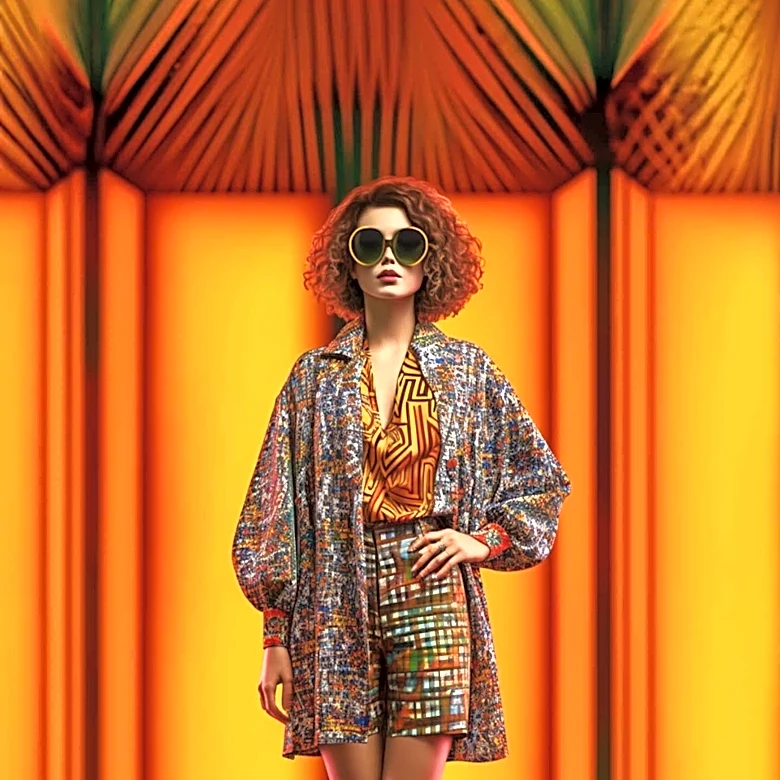
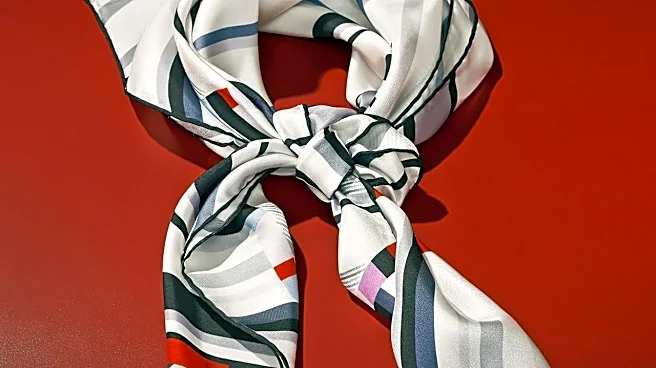
Accessories are the most powerful tool for transforming an outfit’s entire mood. A neutral dress worn with statement earrings, a belt, and heels reads as polished and ready for an evening out. That same dress paired with white sneakers, a casual tote bag, and simple jewelry feels perfect for a weekend brunch. Think of your shoes, bags, scarves, and jewelry as modifiers. If you wore a base outfit with bold, chunky accessories the first time, try styling it with minimal, dainty pieces the next. This simple swap in accessories can make an outfit feel entirely new without changing a single core clothing item.
Use Minor Tweaks for Major Impact
Sometimes, the smallest adjustments can make the biggest difference. The way you style a shirt can completely change its vibe. Try tucking a button-down shirt in fully for a clean look one day, then wear it with a 'French tuck' (just the front tucked in) for a more relaxed feel the next. You can also tie the shirt at your waist or roll up the sleeves to different lengths. Even your hair and makeup can contribute to the transformation; an outfit worn with a sleek ponytail and a bold lip will feel very different from the same outfit worn with loose waves and natural makeup.
Plan on Sunday, Coast All Week
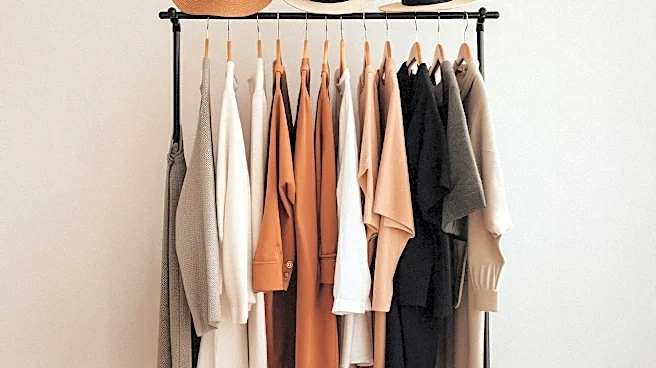
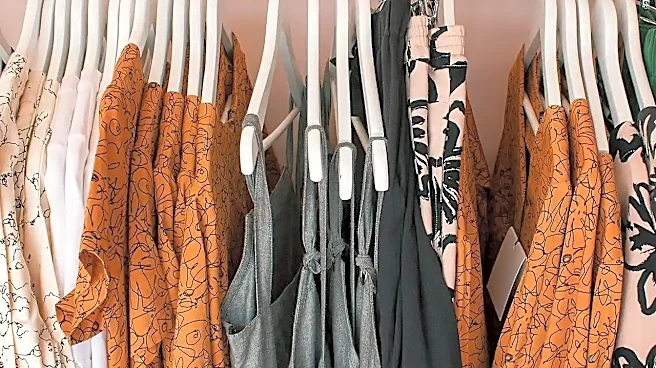
The key to a stress-free week of outfits is to do the thinking just once. Set aside 20-30 minutes on a Sunday to plan your looks for the week ahead. Check the weather forecast and your calendar to ensure your choices are practical. Once you've decided on your outfits, hang them together in one section of your closet, with each day's complete look—including accessories—grouped. Taking a quick photo of each complete outfit on your phone can also create a personal lookbook for easy reference. This small upfront investment of time eliminates daily decision-making and ensures your mornings are calm, organized, and effortless.