

The Original Minimalist Playbook
Think back to the 1990s. Fashion, in reaction to the preceding decade's extravagance, swung toward a refined simplicity. Danish design, already rooted in principles of functionality and craftsmanship, was a natural fit for this moment. The aesthetic was built
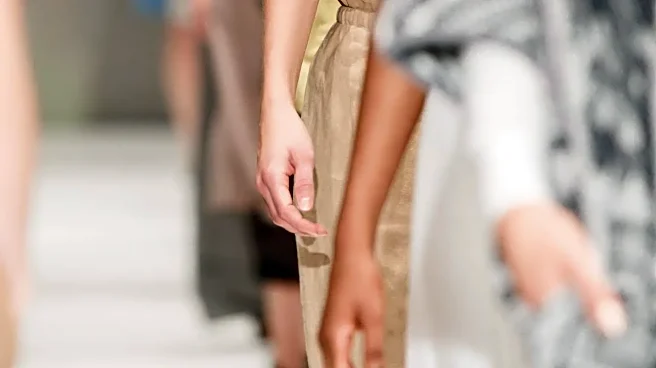
on a foundation of less-is-more: clean, architectural lines, impeccable tailoring, and a strict color palette of black, white, grey, and beige. It was about investment pieces and a quiet confidence that didn't need to shout for attention. This was a style defined by an 'aesthetic of absence,' stripping away anything non-essential to focus on pure form and luxurious, yet understated, materials. The look was intellectual, practical, and deeply rooted in the Danish cultural ethos of harmony and function.
A New Chapter in Full Color
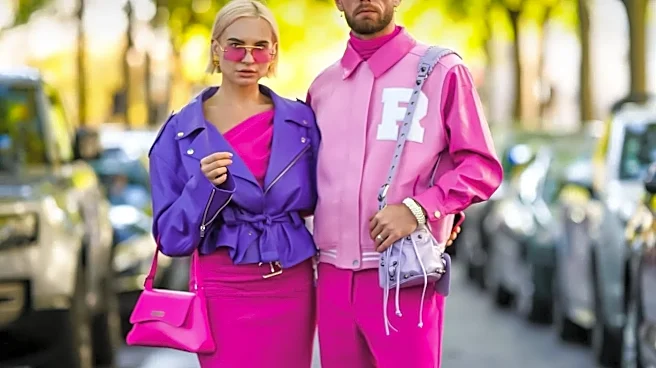
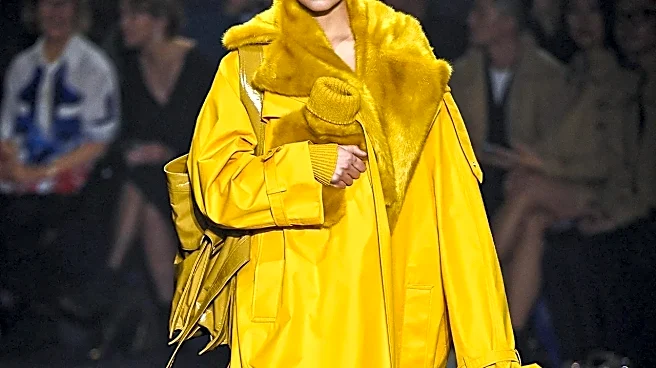
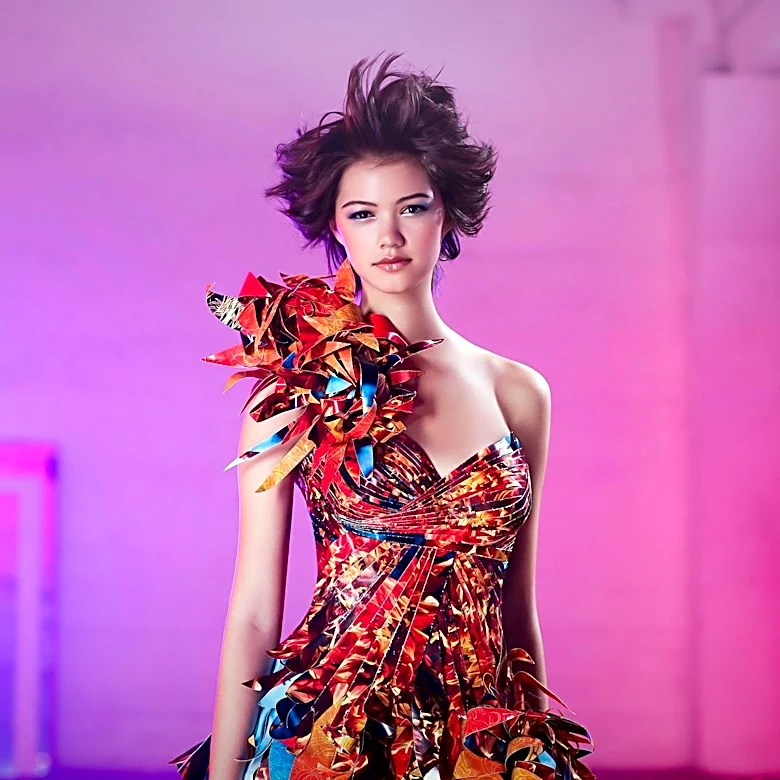
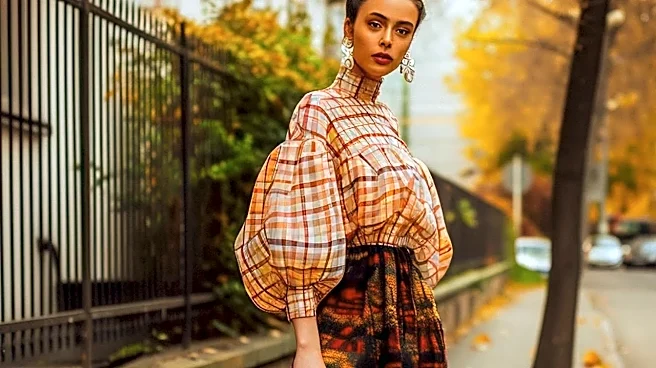
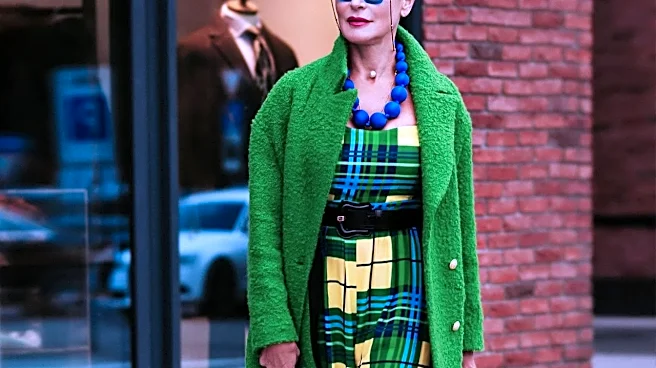
The story on the runways of Copenhagen Fashion Week today is starkly different. While the foundation of well-made, functional clothing remains, the new guard of Danish designers is splashing color and personality all over the minimalist blueprint. Brands like Stine Goya, Ganni, and Nicklas Skovgaard are leading the charge with exuberant prints, theatrical volumes, and an almost rebellious use of vibrant hues. This new wave, sometimes called 'New Nordic' or even 'Northern Maximalism,' embraces playfulness. It swaps austere silhouettes for billowing sleeves, ruffled details, and asymmetric cuts, creating a look that is both sophisticated and joyfully chaotic. It's less about a strict uniform and more about individual expression, layering textures and shapes in ways that feel personal and dynamic.
More Than Just an Aesthetic Shift
This evolution isn't happening in a vacuum. The move away from rigid minimalism reflects a broader cultural shift. The new Danish style is a visual rebellion against restraint, a form of 'dopamine dressing' that champions joy and optimism. It’s a move from a collective, uniform look to one that celebrates distributed individuality, where personal identity is found in the eclectic mix of details. Furthermore, designers are challenging old norms, with some like Anne Sofie Madsen questioning why traditionally feminine flourishes were ever considered less intellectual. The result is a more inclusive, expressive, and emotionally resonant approach to getting dressed, one that feels perfectly attuned to a world eager for authenticity.
The Sustainable Thread
Perhaps the most significant force rewriting Danish fashion is the deep commitment to sustainability. Copenhagen Fashion Week has implemented some of the industry's strictest environmental and social requirements for participating brands. This focus on responsibility is fundamentally changing how clothes are made and, consequently, how they look. Designers are prioritizing deadstock fabrics, upcycling, and innovative zero-waste production techniques. This can lead to more eclectic collections that feel pieced together with history and ingenuity. The emphasis on longevity and circular design principles encourages a 'buy less, wear more' philosophy, which paradoxically allows for more creativity and a departure from fleeting, homogenous trends.