





1. Vary Your Shades and Tones
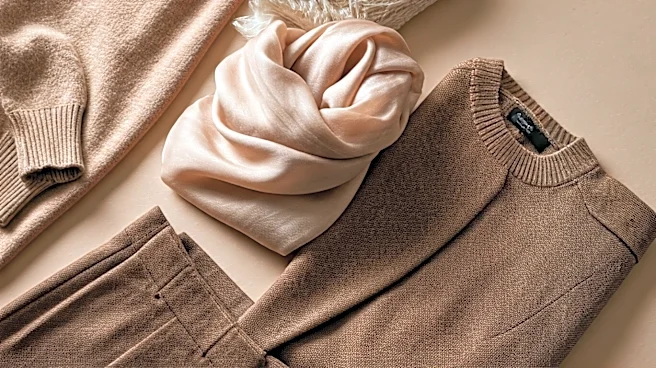
The first rule of tonal dressing is that it’s not about finding the exact same shade for every piece. In fact, that’s a direct path to looking one-dimensional. Instead, think of your chosen color as a spectrum. If you’re building an outfit around beige,
incorporate pieces in cream, camel, taupe, and tan. This subtle variation creates visual interest and sophistication. A cream sweater, tan trousers, and a camel coat read as a cohesive, intentional look, not a failed attempt at a perfect match. This technique gives the eye different points of interest to land on, creating a sense of richness that a single, uniform color can’t achieve.
2. Mix Your Textures
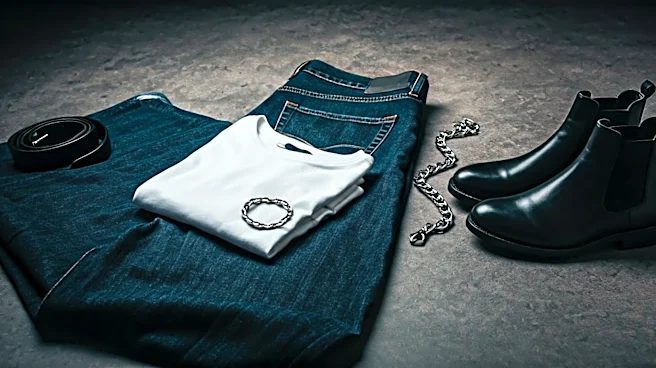
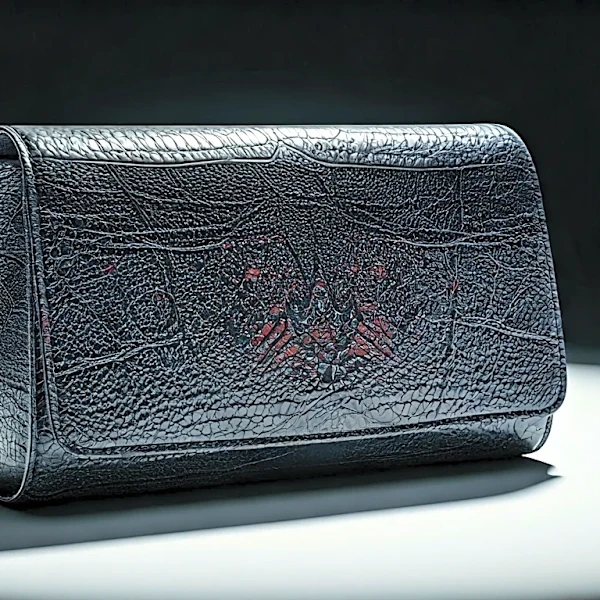
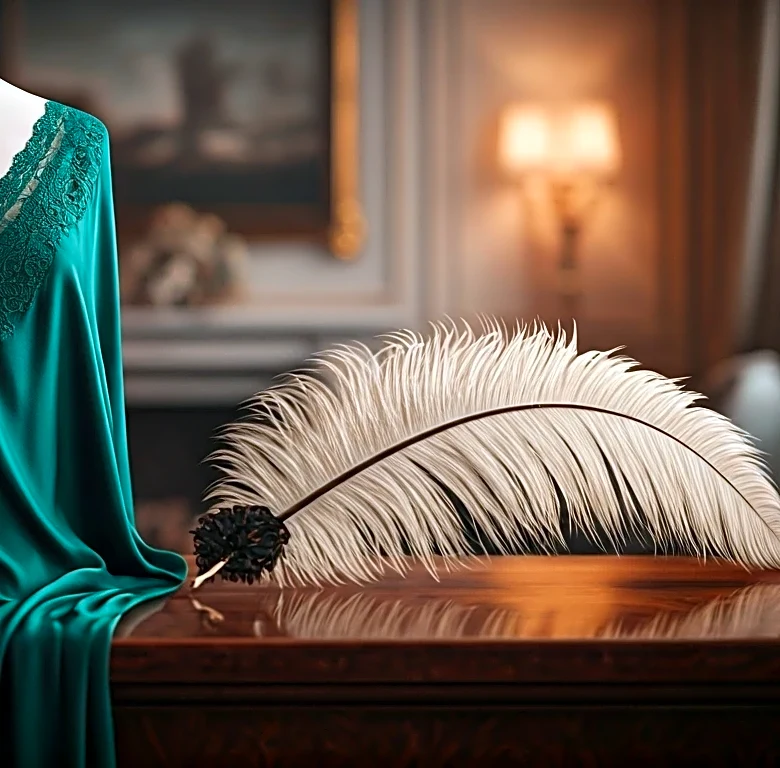
This is arguably the most important trick in the book. A monochromatic outfit without textural variety is what often looks “flat.” To combat this, deliberately pair contrasting materials. Think about combining something soft with something structured, or something sleek with something nubby. For example, a chunky-knit wool sweater looks incredible with a slinky silk or satin skirt. A pair of rigid denim jeans in a dark wash feels fresh when paired with a fine-gauge cashmere top in a similar navy hue. Other winning combinations include leather with cotton, suede with linen, or faux fur with denim. This interplay of textures adds a tactile and visual depth that makes the entire outfit feel more dynamic and luxurious.
3. Play with Silhouette and Proportion
A successful tonal look is also a masterclass in proportion. When all your pieces are the same color, the shape of your clothing becomes the main event. Use this to your advantage by creating an interesting silhouette. If you’re wearing form-fitting pants or a slim skirt, consider a top with more volume, like an oversized blazer, a billowy blouse, or a sculptural sweater. Conversely, a wide-leg trouser looks sharp and balanced with a fitted tank or a cropped top. The goal is to avoid having every piece be either skin-tight or oversized. The contrast in shapes breaks up the single color block and sculpts your body in a flattering way.
4. Leverage Layering for Depth
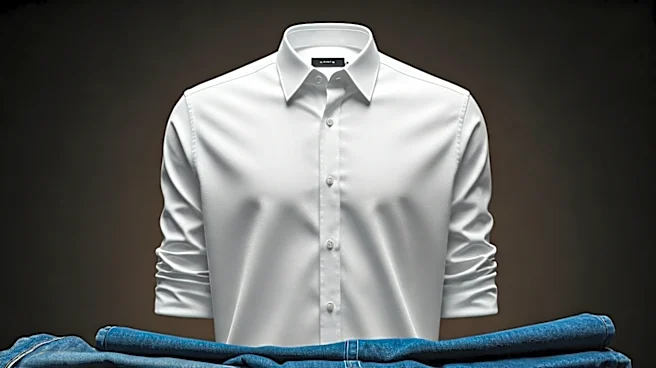
Layering is a natural way to introduce dimension into any outfit, and it’s especially effective in a tonal look. Each layer adds another plane of color and texture. Start with a simple base, like a white tee and white jeans. Then, add a slightly off-white cardigan. Top it off with a crisp, bone-colored trench coat. Each layer is distinct yet harmonious, building a look that’s complex without being busy. Even something as simple as draping a sweater over your shoulders or tying it around your waist can break up the monotony and add a point of interest.
5. Use Accessories as a Final Polish
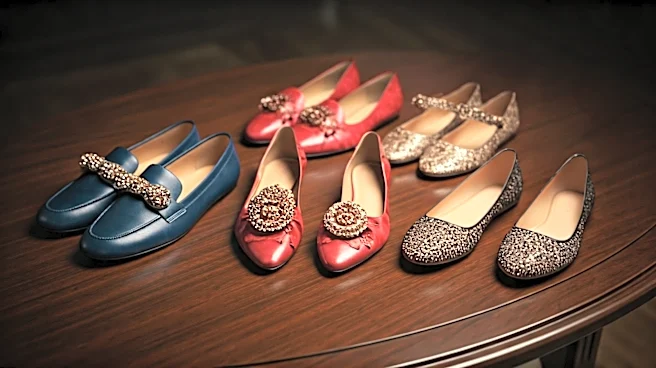
Accessories are your secret weapon. They can either continue the tonal story or provide a sharp, deliberate contrast. For a truly committed monochromatic look, match your shoes, bag, and even your belt to the main color family. A head-to-toe navy outfit paired with navy boots and a navy handbag is a powerful style statement. Alternatively, you can use accessories to introduce a pop of a completely different color. An all-black ensemble can be instantly elevated by a bright red bag or a crisp white sneaker. Metallic accessories—gold, silver, or bronze—also work beautifully to add a touch of light and shine that breaks up the single color field.
6. Show a Little Skin
Sometimes, the best way to break up a single color is with... you. Showing a bit of skin acts as a natural separator between garments. A V-neck top, a cropped pant that exposes the ankle, rolled-up sleeves that show your forearms, or a skirt with a slit can prevent the outfit from feeling like an overwhelming block of fabric. It’s a subtle stylist’s trick that provides negative space, making the overall look feel lighter and more thoughtfully composed. It’s not about being revealing; it’s about creating strategic breaks that add to the overall balance and sophistication of the outfit.