




The Search for a Second Life
The journey from forgotten frock to red-carpet stunner begins with the hunt. This isn't a typical shopping trip; it's a treasure hunt through high-end vintage boutiques, designer archives, and specialized dealers. Stylists and designers seek gowns with strong
'bones'—garments made from high-quality, resilient fabrics like heavy satins, silks, or wools that can withstand extensive reconstruction. The goal is to find a piece with a unique silhouette or exquisite detailing that can serve as the foundation for a modern creation. Finding a dress with historical significance or from a celebrated collection adds another layer of narrative, turning the final look into a tribute. This sustainable choice not only reduces waste but also ensures a one-of-a-kind statement that can't be replicated.
Finding a Fashion Alchemist
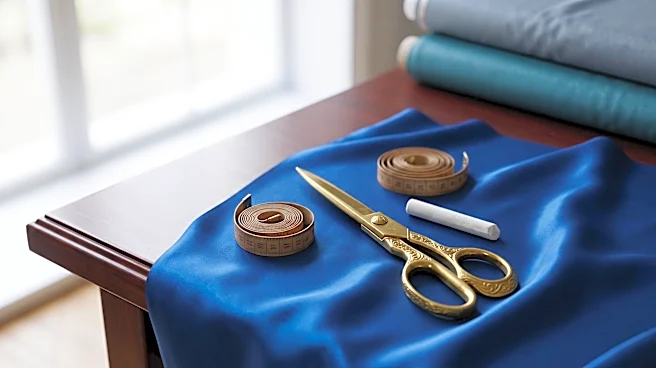
Altering vintage couture is not a job for a standard tailor; it requires an artisan with a deep understanding of historical garments. These specialists are part restoration expert, part fashion designer. They know how to handle delicate, aged fabrics that can be prone to 'silk rot' or discoloration. Before a single stitch is made, an expert will assess the garment's structural integrity, checking for weakened seams or fragile beadwork. Finding the right person involves seeking recommendations and reviewing portfolios to find a tailor who specializes in couture or historical pieces. This collaboration between stylist and seamstress is crucial, as they must balance the vision for the new design with the need to preserve the garment's original soul.
The Art of Reinvention
The alteration process is where the real magic happens. It’s far more complex than a simple hemming. Sometimes, a dress is almost completely deconstructed and then rebuilt to fit a modern aesthetic. A boxy, dated silhouette can be reshaped into a flattering fit-and-flare by adjusting the waist and shoulders. Outdated elements like puffy sleeves might be removed and replaced with elegant cap sleeves, or a fussy neckline can be lowered into a contemporary plunge. For gowns that need to be sized up, fabric might be discreetly 'stolen' from a skirt's hem to add panels to the bodice. In some cases, a vintage ball gown's voluminous skirt is detached entirely and repurposed as a standalone piece, paired with a modern top.
Modern Details and Finishing Touches
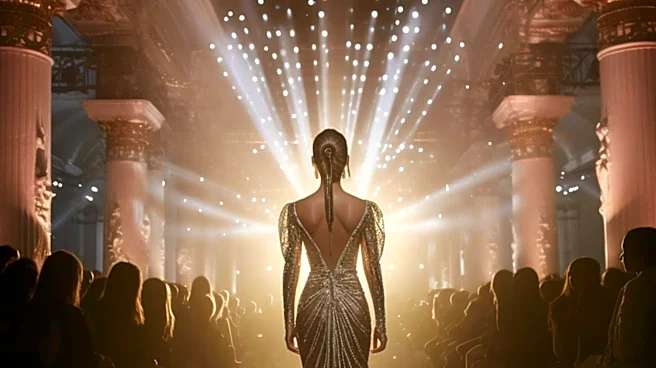
Subtle updates are key to making a vintage piece feel current rather than like a costume. This can involve replacing old, tarnished zippers with new ones, carefully hand-rebeading sections where embellishments have been lost, or reinforcing fragile areas with invisible silk lining. The challenge is to ensure any new materials or techniques are in harmony with the original fabric and design. Sometimes the update is less about adding and more about subtracting; removing bulky shoulder pads or excessive trim can streamline a silhouette instantly. These meticulous changes respect the garment's history while ensuring it looks flawless under the bright lights of the red carpet.
Styling for the Main Event
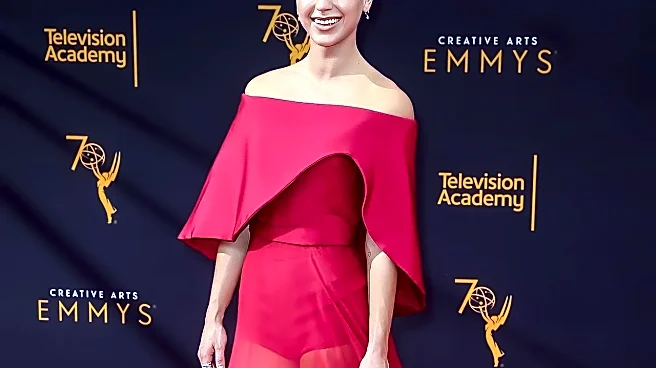
The final step is styling the reinvented gown for its primetime debut. To avoid a look that feels dated, the rest of the ensemble must be decisively modern. Sleek, contemporary hair and makeup are essential. Accessories play a crucial role, with modern jewelry and shoes providing a sharp contrast to the vintage fabric. The goal is to create a look that feels timeless and personal. Celebrities and their stylists are increasingly choosing vintage as a way to stand out, make a sustainable statement, and pay homage to fashion history. When done right, an altered vintage gown isn't just a dress—it's a conversation piece.