







Rooted in the Real World
The number one reason linen lends fantasy worlds-from Westeros to Middle-earth-such powerful authenticity is its deep connection to our own history. Linen, which is woven from the fibers of the flax plant, is one of the oldest textiles known to humanity,
with evidence of its use dating back more than 30,000 years. For millennia, long before the Industrial Revolution introduced mass-produced cotton and synthetics, linen was a dominant fabric across Europe and the Middle East. It was used for everything from the undergarments of Roman soldiers to the tunics of Viking warriors and the robes of medieval nobles. When a costume designer puts a character in a linen shirt, they are tapping into a collective, subconscious understanding that this material belongs to a pre-industrial, non-synthetic world. It instantly signals a time of skilled artisans and natural materials, grounding the most fantastical story in a tangible, historical reality.
The Beauty of Imperfection
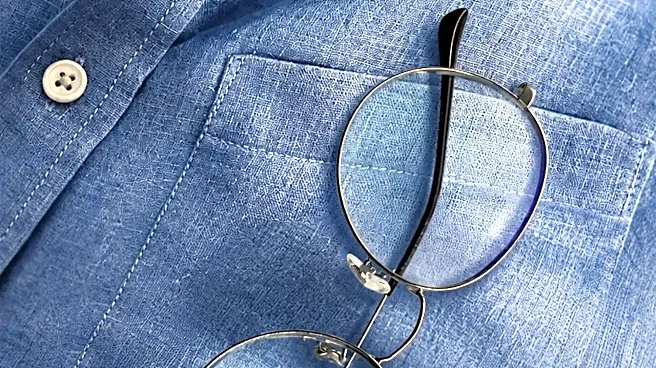
Unlike the uniform smoothness of polyester or even some high-grade cottons, linen's defining characteristic is its texture. It has a natural, slightly uneven weave and a famous tendency to wrinkle. While modern fashion often fights against these traits, costume designers embrace them. On screen, these 'imperfections' are invaluable. The subtle creases and the way the fabric holds dirt and dye tell a story. A brand-new, perfectly smooth garment looks fake on a character who is supposed to have just ridden for three weeks across the plains of Rohan. Linen, however, looks lived-in. It can be aged, distressed, and broken down with sandpaper, waxes, and dyes to show the character's journey. This texture catches the light in a way that creates visual depth and complexity, making the costume-and the character-feel more substantial and real.
A Fabric That Breathes and Moves
Beyond its historical accuracy, linen is also a practical choice for both the fictional character and the actor. It is exceptionally breathable, strong, and highly absorbent, wicking moisture away from the skin and drying faster than cotton. This makes it the perfect material for a character who might be trekking through a hot climate or layering clothes for a journey into the cold. For actors on a long shoot under hot studio lights or performing strenuous action sequences, this breathability is a major advantage. But it also affects how the garment performs on camera. Linen has a unique drape; it is not as stiff as heavy wool or as fluid as silk. It has a satisfying weight that moves with the body, conveying practicality and purpose without looking clumsy. Whether it is a flowing elven cloak or a simple peasant shirt, it moves in a way that feels natural and grounded.
The Great Social Signifier
One of linen's greatest strengths in costume design is its versatility. The same basic material can communicate a wide range of social statuses. A coarse, thick, undyed linen can be woven to create the rough-spun tunic of a farmer or a common soldier, immediately signaling a life of labor. In contrast, a fine, soft, bleached-white linen was historically a symbol of wealth and purity, worn by nobility and clergy for shirts, underdresses, and other garments worn close to the skin. This allows costume designers to build an entire world's wardrobe from a single, authentic material. In 'Game of Thrones,' for example, the heavy, practical clothes of the Starks in the North contrast with the more refined fabrics seen in King's Landing, helping to establish cultural and class differences visually. By simply changing the weave, color, and finish of linen, a designer can tell the audience who holds power and who does not.