




The Myth: It's the Goalkeeper's Shutout
When the final whistle blows on a 1-0 victory, the camera inevitably finds the goalkeeper. They are the ones with the official 'clean sheet' next to their name in the stat sheet. It feels like the soccer equivalent of a pitcher's shutout in baseball—a singular, heroic performance. The narrative is simple: the other team took shots, and the keeper saved them all. This view casts the goalkeeper as the lone sentinel, the final boss that the opposition just couldn't beat. In this version of the story, the ten players in front of them are merely supporting characters in the keeper's personal drama. But this perspective misses about 90% of the action.
The Reality: The Defensive Wall Comes First
Before a single shot can trouble the goalkeeper, it has to get past the defenders. A great clean sheet
isn't one where the keeper makes ten brilliant saves; it's one where they barely have to make any. This is the domain of the center-backs and full-backs. Their job is to make the goalkeeper's life as boring as possible. They do this through positioning, communication, and timely intervention. A perfectly timed slide tackle to block a shot, a towering header to clear a cross, or simply forcing an attacker into a worse shooting angle—these actions are the true foundation of a clean sheet. A well-organized backline functions as a single unit, moving in concert to close down space and eliminate threats before they ever materialize. The best defenders don't just stop goals; they prevent the *chance* of a goal from even being created.
The Unsung Heroes: The Midfield Shield
Zoom out a bit further from the goal, and you'll find the most underappreciated architects of the clean sheet: the defensive midfielders. Often called the 'No. 6,' this player is the team's engine room and security detail rolled into one. Their entire purpose is to patrol the space between their team's defense and midfield, breaking up the opponent's attacks before they can build momentum. They are masters of the interception, the tactical foul, and the simple pass that relieves pressure. Think of them as the bouncers of the team. While the defenders are the last line of defense, the defensive midfielder is there to ensure trouble never even gets to the door. A dominant performance from a player in this role can suffocate an opponent's creativity, leaving their star playmakers frustrated and their forwards isolated.
The System is the Star: It Starts on the Whiteboard
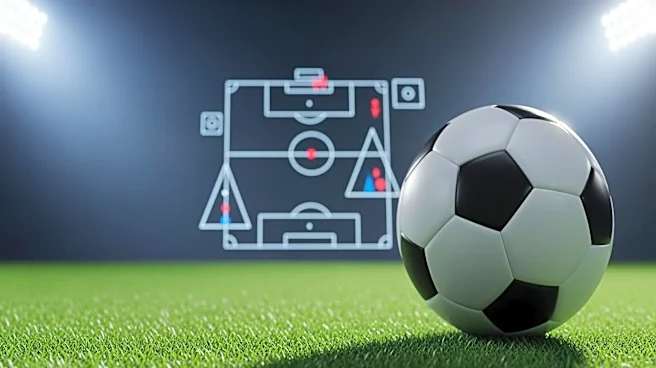
Individual brilliance is great, but a truly resilient defense is born from a team-wide system. This is where the manager earns their paycheck. Are they a coach who demands a high press, forcing turnovers in the opponent's half? Or do they prefer to sit back in a compact, organized 'low block,' absorbing pressure and daring the other team to find a way through? Both can be incredibly effective paths to a clean sheet. The former prevents the opponent from building a clean attack, while the latter clogs up all the dangerous spaces near the goal. This tactical discipline requires all eleven players to be on the same page, understanding their roles and responsibilities without the ball. A clean sheet is therefore a validation of the manager's game plan and the players' ability to execute it flawlessly for 90 minutes.
The First Line of Defense: The Forwards
It might sound counterintuitive, but a great defense often starts with the players furthest from their own goal. The modern game demands that forwards do more than just score goals; they must also be the first line of defense. This concept, known as 'defending from the front,' involves strikers and wingers pressing the opposing defenders when they have the ball. This pressure serves multiple purposes: it can force a bad pass, disrupt the opponent's rhythm, and prevent them from easily playing the ball out from the back. It sets a tone of aggression and signals that there will be no easy yards gained anywhere on the field. When your forwards are working hard defensively, it makes the job of the midfielders and defenders behind them exponentially easier, contributing to the collective effort of keeping the ball out of the net.