



The Autumn Lull Opportunity
Every year, the entertainment industry follows a predictable rhythm. May through August is for megaton blockbusters, and November through December is for holiday specials and awards contenders. Sandwiched between them is September, a month often seen
as a dumping ground for films and shows with lower commercial expectations. With audiences back in school or returning from vacation, there’s a palpable drop-off in marketing noise and media hype. For a new release, this quiet can be fatal. Without a massive advertising budget, a movie or series can easily debut to the sound of crickets. Yet this exact environment creates a unique opportunity. When the market isn't saturated with loud, must-see-now campaigns, audiences have more oxygen to discover things for themselves. This less competitive landscape allows a different kind of hit to emerge—not one built on a billion-dollar campaign, but on a slow, organic burn.
The Psychology of a Real Recommendation
The power of word of mouth isn't just a marketing theory; it's rooted in basic human psychology. We are fundamentally wired to trust people more than advertisements. Studies consistently show that a recommendation from a friend or family member is the most trusted source of information. This trust comes from a belief in authenticity; your friend isn't getting paid to tell you about a great new series they binged. This taps into several psychological triggers. The first is social proof: if people you know and respect are all buzzing about something, you assume it must be good. The second is the reduction of risk. In a world with endless content choices, a trusted recommendation makes the decision of what to watch next easier and safer. You’re not just watching a movie; you’re joining a conversation that your peers have already validated. A genuine, excited recommendation from a friend carries an emotional weight that no polished trailer can ever fully replicate.
The Sleeper Hit Hall of Fame
History is filled with iconic "sleeper hits" that prove the model. The quintessential example is My Big Fat Greek Wedding. Released with no major stars and a tiny $5 million budget, it never once hit number one at the box office. But it refused to leave theaters for nearly a full year, propelled by relentless word of mouth from audiences who adored its heartfelt, relatable story. More recently, Pixar's Elemental opened to disappointing numbers, leading many to call it a flop. But positive audience reactions and strong word of mouth gave it incredible staying power, turning its box office trajectory around and making it a success. Then there's the genre-defining case of The Blair Witch Project, a low-budget horror film that used nascent internet forums to build a narrative that the story was real, creating a firestorm of buzz that turned it into a cultural phenomenon. These films all shared a common thread: they started small and were carried to success by the sheer force of audience enthusiasm.
The Digital Megaphone Effect
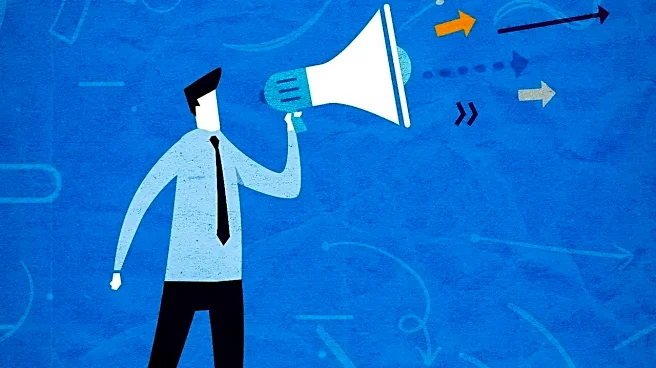
In the past, word of mouth spread one conversation at a time. Today, the internet acts as a massive digital megaphone. A single person's glowing review is no longer confined to their immediate circle; it can be broadcast to thousands via social media, a Reddit thread, or a TikTok video. This transforms the scale of word of mouth from a one-to-one interaction into a one-to-many broadcast. A film or show can now catch fire in a matter of days, not months. Communities form in real-time around a shared discovery, creating an 'if you know, you know' sense of excitement that is itself a powerful motivator. People want to be part of the cultural conversation. When that conversation is driven by authentic fan passion rather than a top-down marketing push, it feels more meaningful and urgent, compelling even more people to check it out for themselves.