


The Psychology of a Single Detail
Why does such a small change have a big impact? It’s all about perception. Our brains are wired to take shortcuts, and when we see a garment, we subconsciously scan it for signals of quality. Details like fabric weight, stitching, and, yes, buttons, are key
indicators. Flimsy, generic plastic buttons are a hallmark of mass production, where every corner is cut to save fractions of a cent. In contrast, materials with natural variations and a satisfying weight—like horn or corozo—signal craftsmanship and investment. This concept is sometimes called 'enclothed cognition', where the clothes we wear systematically influence our thoughts and feelings. When you upgrade a detail, you're not just fooling others; you’re telling your own brain that this garment is worthy of care and attention. It subtly shifts the piece from a disposable item to a long-term investment.
From Plastic to Polished: A Button Glossary
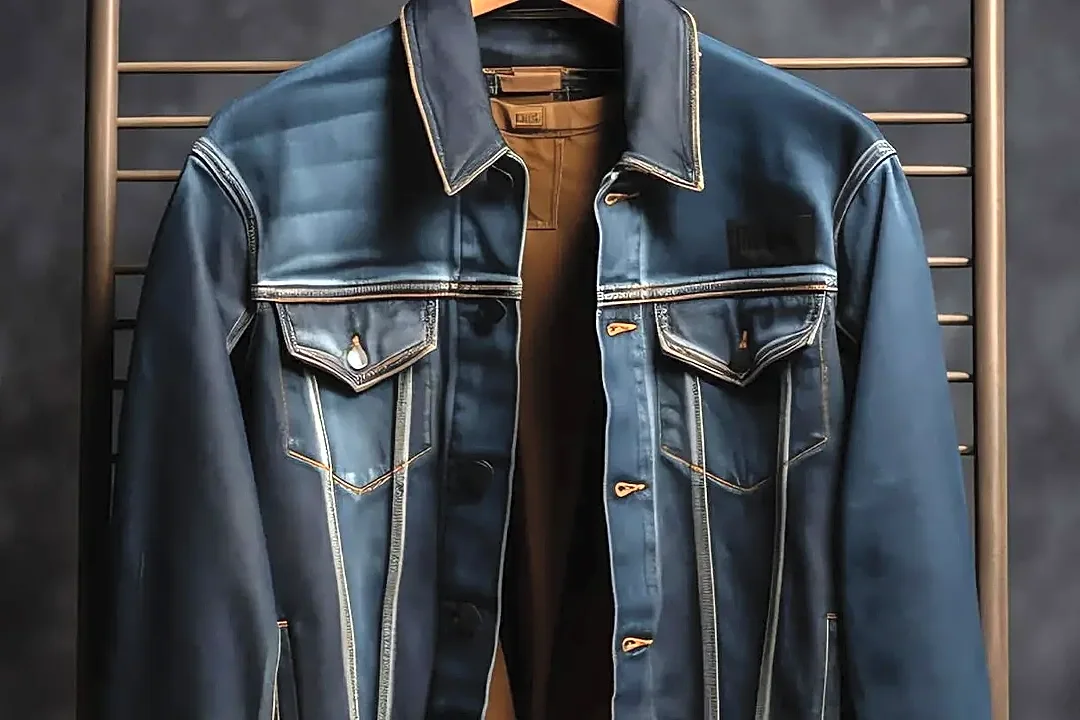
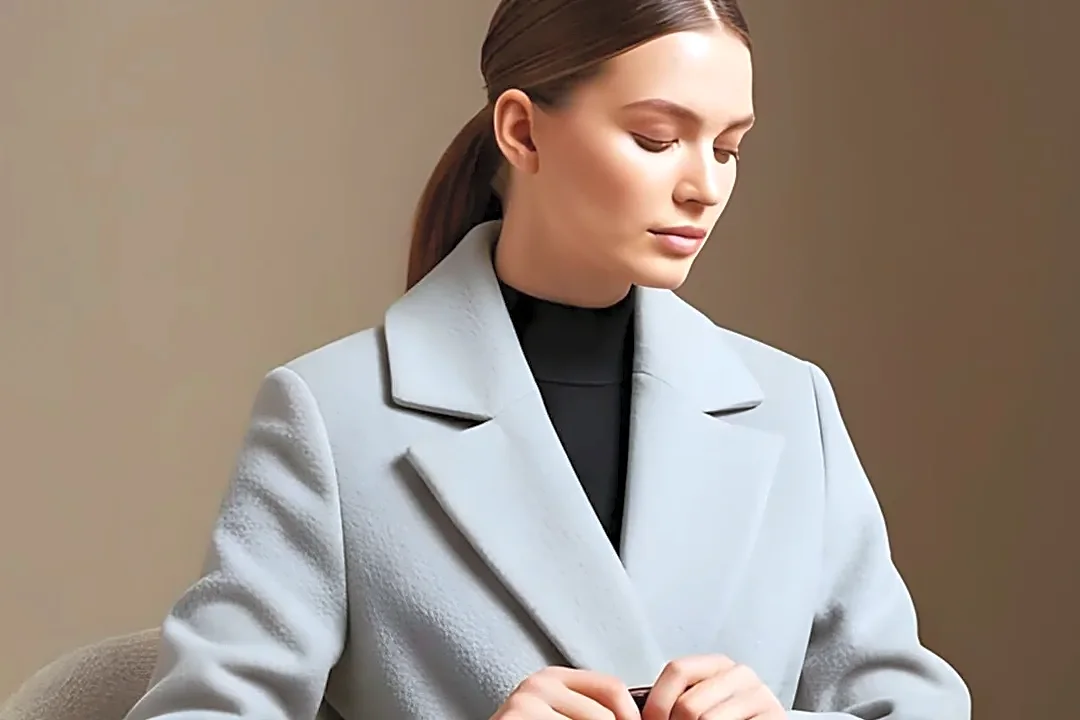
Choosing the right button is crucial. It’s not just about avoiding plastic; it’s about matching the new material to the coat’s style and fabric. Here are the go-to choices for a luxury upgrade: Genuine Horn: The classic choice for blazers, sport coats, and high-end outerwear. Often made from water buffalo horn, each button has a unique, subtle grain and a warm, marbled look. They communicate heritage and timeless quality. Corozo: Also known as 'vegetable ivory,' corozo is made from the nut of a tagua palm. It’s incredibly durable, has a smooth matte finish, and takes dye beautifully, making it versatile. It's a sustainable option that feels substantial and looks much more refined than plastic. Mother-of-Pearl: Cut from the iridescent inner lining of mollusk shells, these buttons offer a unique, natural luster that can't be replicated. They are perfect for adding a touch of elegance to lighter coats or more formal pieces. Smoked mother-of-pearl is a great option for dark coats. Leather and Metal: Leather buttons add a rustic, classic feel to tweed or duffle coats. Metal buttons, especially those with a solid weight and refined design, can give a sharp, modern, or military-inspired look to a navy peacoat or blazer."
More Than Just an Upgrade
The headline says this changes more than the perceived price, and that’s the real magic. The act of choosing and replacing the buttons transforms your relationship with the coat. You've invested time and a small amount of money, turning a passive consumer item into a personalized project. This small act of customization fosters a deeper sense of ownership and pride. That coat is no longer just something you bought; it's something you improved. You’re more likely to wear it with confidence, care for it properly, and keep it for years to come. It’s a small step away from the cycle of fast fashion and towards a more intentional and sustainable wardrobe. You’re not just elevating the coat; you’re elevating your appreciation for it.
Making the Switch: A Quick Guide
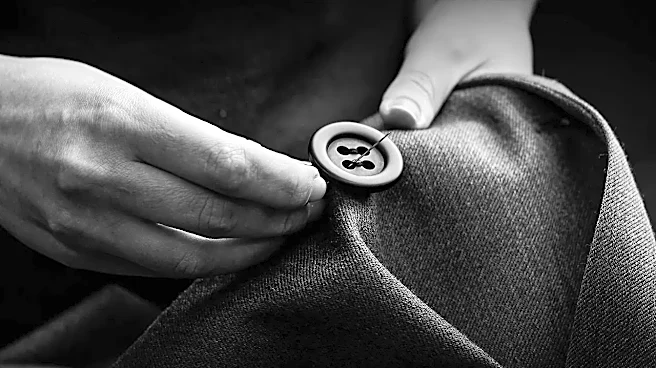
Ready to make the change? It's easier than you think. First, count the buttons you need, noting any different sizes for the front and the cuffs. High-quality buttons can be found at local fabric stores, specialty haberdasheries, or online retailers like Etsy. Expect to pay a few dollars per button for materials like genuine horn or corozo.Once you have your new buttons, the replacement process is straightforward. Carefully snip the threads of the old buttons. Using a matching, durable thread, you can sew the new ones on yourself in under an hour. Many online tutorials break down the simple process of creating a strong attachment, often by creating a thread 'shank' that gives the button a little space from the fabric. If sewing isn't your thing, any local tailor or dry cleaner can do the job for a nominal fee.