


The Peacock’s Paradise
Twice a year, the global menswear elite descends upon Florence, Italy, for Pitti Uomo, a trade show that’s more of a cultural phenomenon. For years, the scene outside the main exhibition hall, the Fortezza da Basso, was the real show. Photographers swarmed
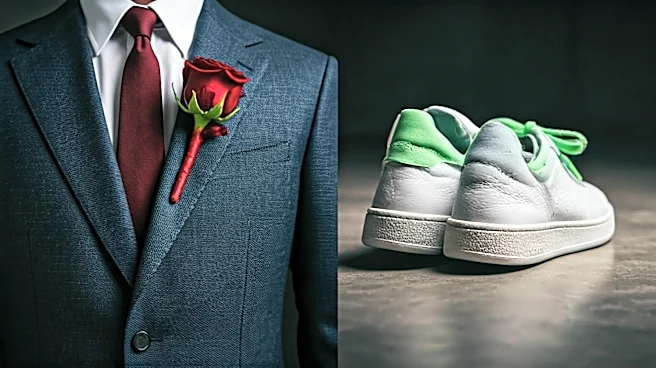
to capture the “Pitti Peacocks”—men dressed in an explosion of color, pattern, and razor-sharp tailoring. Double-breasted suits in searing neons, elaborately knotted scarves, and shoes without socks, even in January, were the uniform. It was the epitome of sprezzatura, that distinctly Italian art of making the difficult look effortless. Pitti wasn't just about selling clothes; it was about selling a dream of flamboyant, aspirational masculinity, one perfectly dimpled tie knot at a time.
The Utilitarian Turn
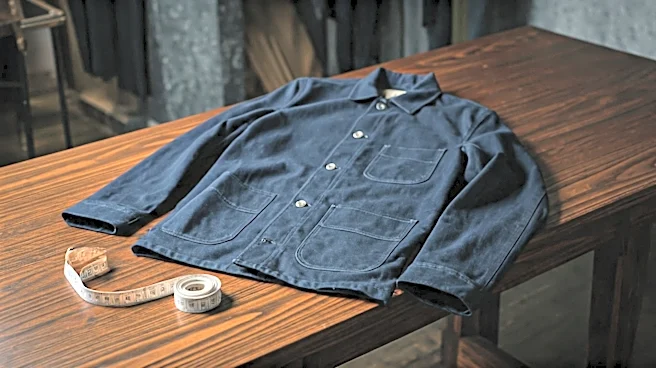
But a funny thing happened on the way to the fortress. The peacocks started molting. In recent seasons, the vibrant tailoring has been steadily replaced by something more rugged, more grounded, and distinctly more American: workwear. The new uniform isn't a linen suit; it’s a French chore jacket in faded blue canvas. The perfectly pressed trousers have given way to military-style fatigue pants in olive drab. Instead of bespoke leather loafers, you’re more likely to see sturdy boots or minimalist sneakers. Denim, once a rarity, is now everywhere. It’s a dramatic aesthetic pivot from the boardroom to the factory floor, a visual shock to a system built on decades of sartorial one-upmanship. The question on everyone’s lips wasn’t “Who is your tailor?” but “Where did you get that jacket?”
From Florence to the Factory Floor
So, why the change? It’s not one single thing, but a perfect storm of cultural shifts. The post-pandemic world prioritized comfort and practicality, making stiff, formal clothing feel out of touch. There’s also a growing hunger for authenticity and longevity in what we buy. A well-made chore coat or pair of selvedge jeans tells a story of durability and function, a stark contrast to the disposability of fast fashion. This shift aligns with the broader “quiet luxury” trend, where value is communicated through quality materials and timeless design, not flashy logos. American and Japanese workwear brands, long celebrated for their heritage and robust construction, offer a form of style that feels earned, not just purchased. It’s less about looking rich and more about looking resourceful.
The New Italian Sprezzatura
But this isn't a simple replacement of one style with another. This is an integration, a fascinating dialogue between two different worlds. Pitti Uomo’s workwear pivot matters because it’s not about Italians abandoning their identity; it’s about them applying their legendary sense of style to a new medium. They aren’t just wearing Carhartt; they’re elevating the idea of it. You see a chore jacket, but it’s cut from a luxurious, garment-dyed cashmere blend. The fatigue pants have a slightly higher rise and a cleaner taper, courtesy of a Neapolitan trouser specialist. They are combining the rugged soul of workwear with the sophisticated hand of Italian tailoring. The new sprezzatura is found in the way a vintage military liner is worn under a bespoke sport coat, or how a pair of rugged jeans is paired with exquisite suede loafers. It’s a hybrid style that’s more relevant, more comfortable, and frankly, more interesting for the way men live and dress today.