




First, What Is ‘Fabric Literacy’?
Before we get to the runway, let’s define the term. Fabric literacy isn’t about being able to tell silk from satin in a blind test. It’s a deeper understanding of what makes a garment work. It’s knowing how a material is supposed to feel, hang, and wear
over time. It’s the difference between a sweater that pills after one wash and one that lasts a decade. It’s recognizing why a polyester dress is priced at thirty dollars, and when a brand is charging you a premium for that same cheap fabric. Becoming fabric-literate means you can look at a clothing label and understand not just the composition, but the intention behind it—comfort, durability, stretch, or sustainability. It’s a quiet skill that turns you from a passive consumer into an intentional, informed buyer.
The London Difference: Heritage Meets High-Tech
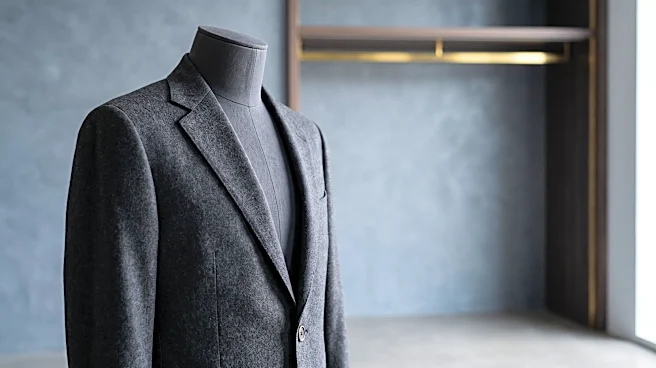
So why London? While Milan has its high glamour, Paris its haute couture, and New York its commercial polish, London has always been the rebellious incubator of the fashion world. It’s the city that birthed both bespoke tailoring and punk rock. This duality makes it the perfect place to study fabric. On one hand, you have designers who celebrate and reinterpret quintessential British textiles like tweed, wool, and tartan—materials steeped in history and built for longevity. Brands like Paul Costelloe continue to showcase Irish tweed, reminding us of the beauty in durable, natural materials. On the other hand, London is a hub for radical experimentation, thanks in large part to its world-class design schools like Central Saint Martins. It's where you'll see designers reject synthetic materials entirely or craft garments from nettles, wood clippings, and even holly fibers sourced from King Charles's Sandringham estate, as seen in collections by Vin + Omi.
A Masterclass in Material Storytelling
In London, fabric is often the protagonist of the story. Designers use it to communicate big ideas. The British Fashion Council now has sustainability requirements for its NEWGEN incubator designers, mandating that a high percentage of their collections be made from certified, deadstock, or upcycled materials. This isn't just a regulatory hurdle; it's a creative prompt. You see it in the work of Tolu Coker, who uses deadstock fabrics and natural dyes to create what she calls “material hugs.” You see it in the rise of the circular economy, with brands like Chopova Lowena turning discarded textiles into joyful, multi-print creations. And you see it with designers like Patrick McDowell, who champions a made-to-order model, reducing waste and putting transparency at the heart of his brand. This focus on accountability and innovative reuse makes the entire week a lesson in conscious consumption.
How to Apply This From Your Couch
You don’t need a front-row seat to benefit from this. As you watch the shows online or scroll through runway images, start shifting your focus. Instead of just asking, “Do I like this dress?” ask, “What is this dress doing?” Notice how a heavyweight wool coat creates a powerful silhouette versus the fluid movement of a recycled-fiber slip dress. Look at how emerging designers are using upcycled denim or innovative bio-based textiles. Pay attention to the texture—is it rugged, smooth, structured, or soft? This practice trains your eye. The next time you’re shopping, you’ll be more attuned to the feel and quality of the materials in your own hands. You’ll start flipping to the content label not as an afterthought, but as a first step in deciding if a piece is truly worth it.