



What Exactly Is a Cap Sleeve?
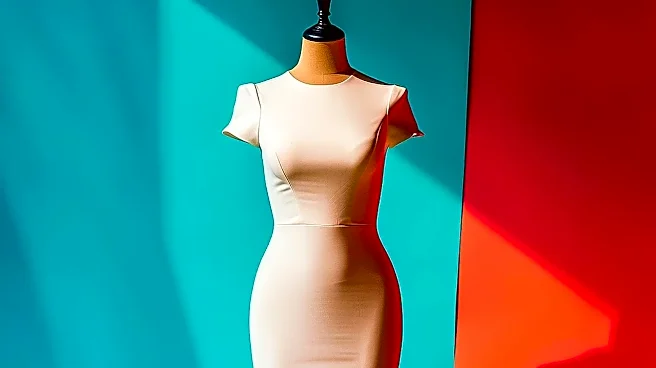
A cap sleeve is a very short sleeve that sits directly on the shoulder, covering the very top of the arm like a 'cap'. Unlike a standard short sleeve, it doesn't extend down the bicep or have much fabric underneath the arm. It’s the perfect middle ground
between a sleeveless top and a T-shirt, offering a touch of coverage while still feeling light and open. Think of it as a delicate extension of the garment's shoulder, designed to softly frame your upper body. This minimal coverage is what gives it its distinct, polished look.
It’s All About the Cut
The key difference between a cap sleeve and a regular short sleeve lies in the construction and where it hits the arm. A short sleeve is essentially a tube of fabric that covers the shoulder and a portion of the upper arm, offering significant coverage. A cap sleeve, however, is often cut as part of the main bodice, curving over the shoulder and tapering away before it gets to the underarm. This creates a horizontal line across the top of your shoulders, which has a powerful visual effect. While a short sleeve shortens the look of the arm, a cap sleeve is designed to draw attention to the shoulder and collarbone.
The Real-Life Optical Illusion
So why does this tiny detail matter? It’s all about creating balance and proportion. By creating a horizontal line, cap sleeves can make your shoulders appear slightly broader. For those with narrower shoulders or a pear-shaped figure (where hips are wider than the shoulders), this is a game-changer. It draws the eye upward, creating the illusion of an hourglass silhouette. On the other hand, some people with broader shoulders feel cap sleeves exaggerate them. However, it often depends on the specific cut and fabric. A soft, draped cap sleeve can actually soften the shoulder line, while a stiff, angular one might add unwanted width. It’s a versatile tool for subtly reshaping how an outfit sits on your frame.
A Detail with History
Cap sleeves are not a modern invention; they have a rich history that adds to their timeless appeal. The style first gained prominence in the early 19th century during the Regency and Empire eras, where delicate, feminine silhouettes were prized. They faded and re-emerged throughout fashion history, notably making a comeback in the 1940s with a more structured look and again during the minimalist wave of the 1990s. Today, you’ll find them on everything from casual t-shirts and professional blouses to formal gowns, proving their enduring versatility.
How to Make Cap Sleeves Work for You
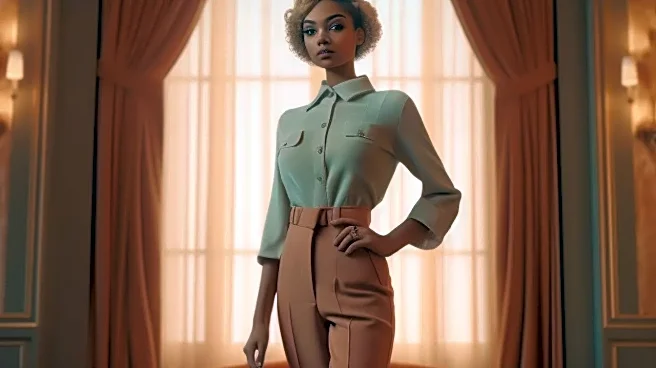
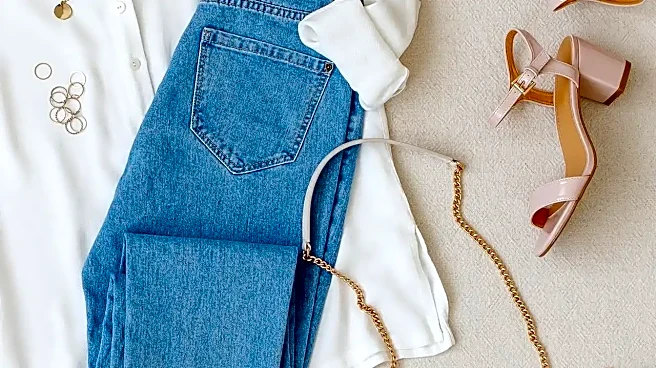
Styling cap sleeves is surprisingly easy. For a casual look, a simple cap sleeve T-shirt paired with jeans creates a relaxed but put-together vibe. In a professional setting, a cap sleeve blouse tucked into a pencil skirt or high-waisted trousers offers a feminine touch that's still office-appropriate. They are also a fantastic choice for formal wear, as seen on countless cocktail and wedding dresses, where they provide elegance and structure. If you're looking to layer, their snug fit makes them ideal for wearing under cardigans and blazers without adding bulk. The key is to pay attention to the overall silhouette you want to create and choose fabrics that suit the occasion, from casual cotton to formal silk or lace.