
More Than Movie Hype
While Hollywood blockbusters provide massive exposure, the heart of a character's evolution often beats strongest in the comic book panels. At NYCC 2026, both Marvel and DC hosted multiple events focused
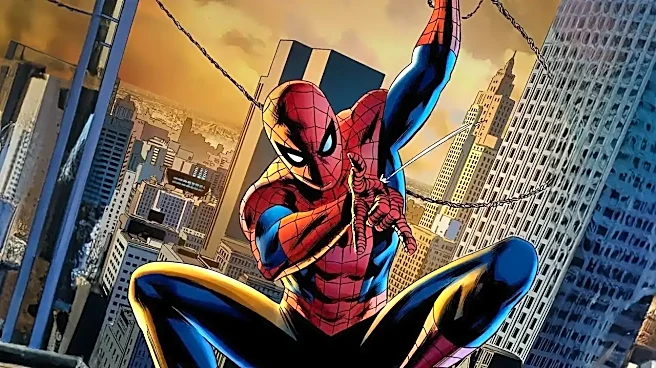
squarely on their publishing lines. For instance, Marvel's "House of Ideas" panel, helmed by new Editor-in-Chief Stephen Wacker, promised to chart the future of the Marvel Universe, signaling foundational shifts beyond the next film. Similarly, DC's panels on its "Next Level" and "Absolute Universe" initiatives offered fans a direct look at the narrative architecture being built for icons like Superman and Batman. These sessions aren't just marketing; they are conversations where writers like Benjamin Percy can deconstruct Wolverine's psyche or where the team behind Spider-Man can tease what comes after a landmark issue like Amazing Spider-Man #1000. It’s here, in crowded rooms and at signing booths, that the core mythology gets its updates.
New Blood for Old Heroes
A key strategy for keeping characters fresh is handing the reins to new, diverse creative voices. NYCC is a primary stage for these introductions. When a publisher announces a new writer or artist for a flagship title, it's not just a personnel change; it's a statement of intent. The 2026 convention continued this trend, with publishers spotlighting creators who bring different perspectives. For example, indie publisher Oni Press used the event to announce Citizen: Stardust, a surrealist reimagining of a Golden Age hero by creators Dave Baker and Malachi Ward. This willingness to let new talent play with established toys prevents characters from becoming stagnant relics. Panels often feature frank discussions with legendary creators like Frank Miller alongside rising stars, creating a public forum where the past and future of a character are debated and defined in real-time.
The Multiverse of Possibilities
The concept of the multiverse has become a powerful tool for reinvention, and NYCC is where many of these alternate worlds are unveiled. Instead of erasing decades of history, publishers can explore radical new takes on characters in parallel timelines. Marvel’s forthcoming "Midnight Universe" line, which was heavily teased at NYCC 2026, offers a horror-infused spin on heroes like Spider-Man and the Fantastic Four. This allows for experimentation—a darker Spider-Man, a fundamentally different Fantastic Four—without invalidating the versions fans already know and love. DC has similarly found success with its Black Label imprint, which offers mature, standalone stories. These initiatives, often launched with fanfare at NYCC, give creators the freedom to ask "What if?" and answer in bold, exciting ways that expand a character's potential relevance.
The Power of the Crowd
Ultimately, a character's relevance is decided by the fans. NYCC is a physical manifestation of that collective energy. When thousands of people show up, many in elaborate cosplay, it’s a living testament to a character’s enduring appeal. Events like the Guinness World Record attempt for the largest gathering of people dressed as Spider-Man are more than just a publicity stunt; they are a celebration of shared identity. The convention floor itself, with booths from major players like DC and Marvel, becomes an interactive museum. Fans can pose with props from upcoming shows like Marvel's VisionQuest or immerse themselves in a 1950s-themed Daily Planet newsstand at the DC booth. This tangible interaction, from cosplay meetups to cheering in a panel, transforms passive consumption into active participation, ensuring these legacy characters don’t just live on the page, but in the culture itself.