






The Myth of Effortless Style
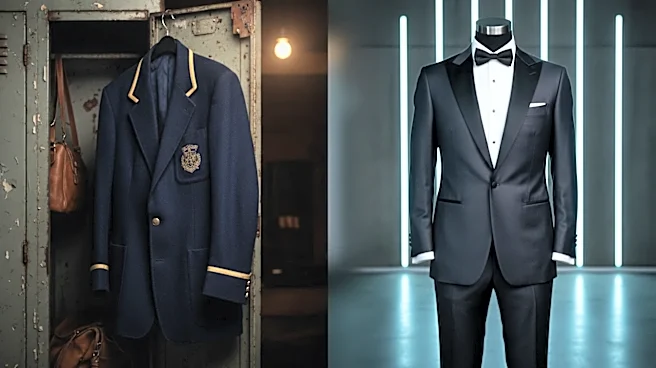
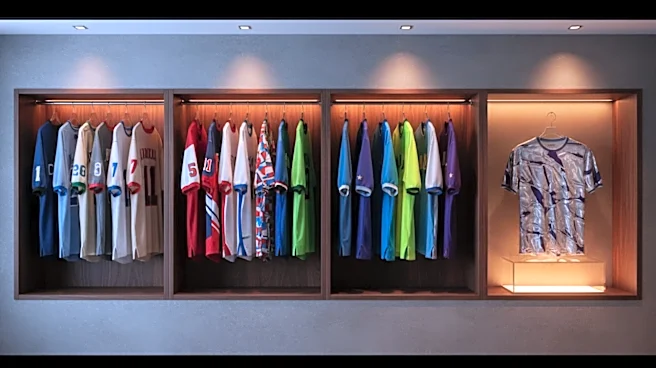
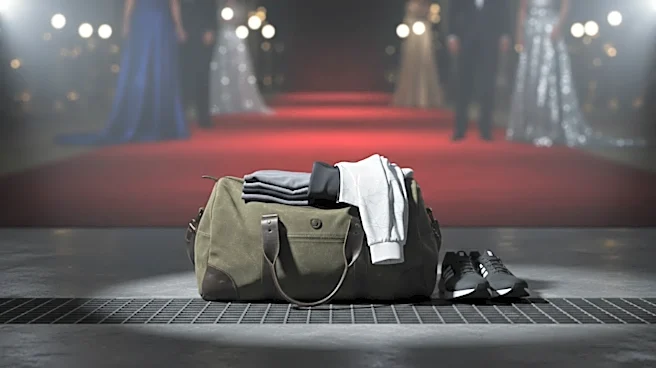
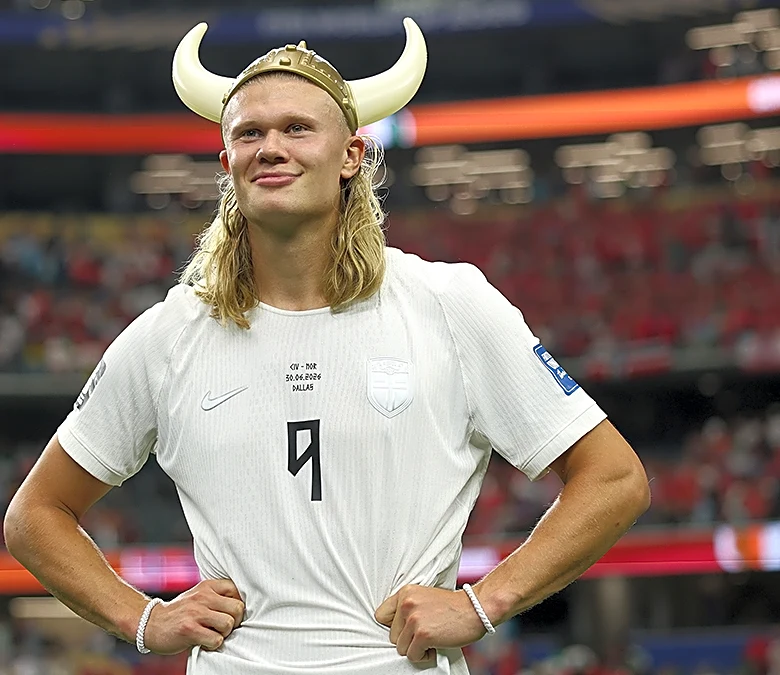
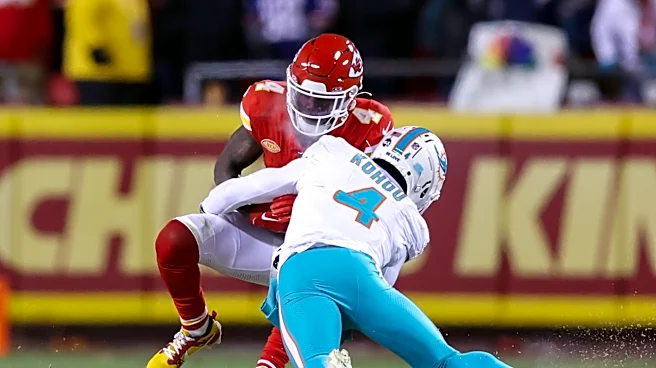
The transformation from athlete to style icon seems almost magical. One minute, they’re in sweaty jerseys and functional shorts; the next, they’re in custom-tailored suits and avant-garde gowns that command global attention. But this polish is the result
of a highly coordinated, strategic effort. The walk from the arena tunnel to the locker room has become a veritable runway, with pre-game outfits dissected on social media. However, the leap to a major red carpet event like the ESPYs is another level entirely. It requires a team, a vision, and months of planning. Just as they have coaches for their physical performance, elite athletes now rely on a small army of experts to hone their public image. This includes publicists, agents, and, most critically, personal stylists who architect their look from the ground up.
The Architect of the Look
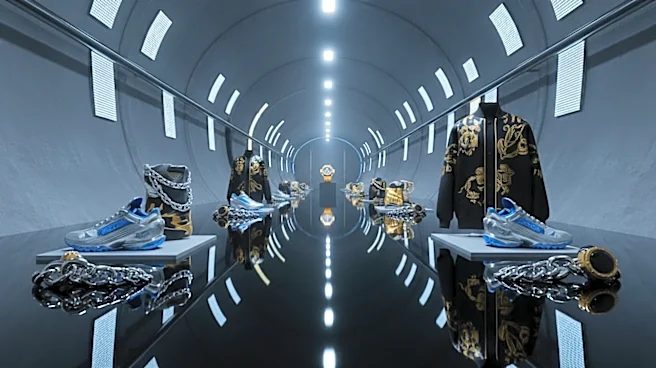
The modern athlete stylist is a creative director, a logistician, and a brand strategist rolled into one. Their job begins long before the event, often with a deep dive into the athlete's personality, comfort level, and personal brand aspirations. Stylists like Brittany Hampton and Courtney Mays work with top players across the NBA, WNBA, and NFL, building relationships not just with the athletes but with luxury fashion houses. The process involves creating mood boards, sourcing looks from designers, and scheduling marathon fitting sessions. Because most athletes are not sample size, stylists must navigate the world of custom couture and specialized tailoring, a logistical challenge that requires immense planning. The final look—from the statement watch to the perfectly chosen shoes—is a curated message, designed to tell a story about who the athlete is off the court or field.
More Than a Uniform
In today's media landscape, an athlete's brand is as valuable as their athletic performance. Fashion has become a primary tool for building that brand. A standout red carpet moment can lead to lucrative endorsement deals, magazine covers, and partnerships that extend far beyond their playing careers. Athletes are no longer just faces for sportswear giants; they are cultural influencers and entrepreneurs. Luxury brands like Louis Vuitton, Dior, and Prada are increasingly signing athletes as ambassadors, recognizing their unique ability to connect with a broad, diverse audience. By embracing high fashion, athletes can control their own narrative, express their individuality, and build a business empire that will sustain them long after they retire from their sport.
Decoding the Red Carpet Language
At an event like the ESPYs, every outfit tells a story. A sharp, custom suit in a bold color might communicate confidence and a modern edge. A glamorous, glittering gown can signal power and stardom, a deliberate move for female athletes defining their image on their own terms. For example, a star gymnast might collaborate directly with a major brand to create a custom gown based on her favorite casual wear, blending authenticity with high fashion. A tennis player might opt for a remixed blazer dress that feels both powerful and chic, perfect for accepting a humanitarian award. Even the choice of accessories is intentional. These calculated style choices are designed to create memorable moments that resonate with fans and solidify the athlete's status as a cultural icon. The transition is complete: the functional, minimalist athlete has become a polished, powerful force in fashion.