


This Season's “Quiet Rebellion”
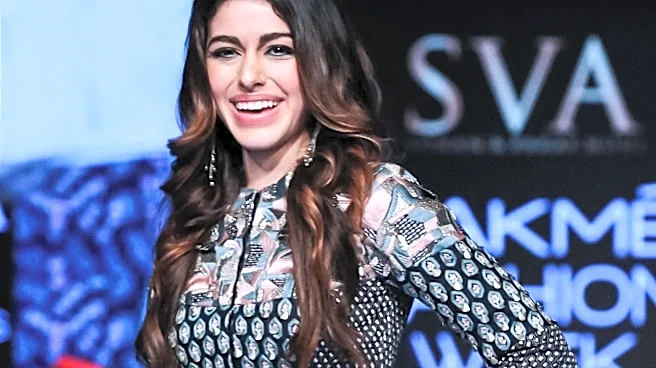
This September, London Fashion Week’s rebellious streak was less about overt shock and more about a considered defiance. While activist groups like Extinction Rebellion continued their years-long calls for the industry to address its environmental impact,
the rebellion on the runway was often more nuanced. Designers focused on what some critics called a “quiet rebellion” through craftsmanship, a rejection of synthetic materials, and an assertion of individuality over mass trends. Brands like Paolo Carzana and Phoebe English championed sustainability by using earth-derived fabrics and local production, a stark contrast to the fast-fashion cycle. This move towards “slow fashion” and visible craftsmanship represents a form of protest against a system built on endless consumption—a statement understood by those looking closely.
Gen X & Boomers: Rebellion as Raw Rupture
For those who lived through the 1970s punk explosion or 1990s grunge, rebellion was raw, physical, and anti-commercial. Rooted in working-class anger, punk’s ripped clothes, safety pins, and DIY aesthetic were a genuine break from societal norms, not a style to be purchased. Similarly, the grunge movement embraced thrift-store flannels and ripped jeans as an explicit rejection of the polished consumerism of the 1980s. From this perspective, today's runway “rebellion” can feel hollow. When a political slogan is printed on a luxury t-shirt, is it activism or just marketing? For older generations, the authenticity of a subculture was defined by its opposition to the mainstream. Once it was commodified and sold back to the masses, it lost its power.
Gen Z & Millennials: Rebellion as Code and Content
Younger generations, raised in a digital world, view rebellion through a different lens. For Gen Z, fashion is a tool for self-branding and fluid identity expression, where authenticity is about personal creativity rather than rejecting commercialism outright. Their style, often labeled the “e-girl” or “e-boy” aesthetic, is a pastiche of older subcultures like goth and punk, remixed for platforms like TikTok. This rebellion isn't about creating a singular, anti-mainstream subculture, but about curating an individual identity from countless digital fragments. A protest slogan on a t-shirt, for them, isn't necessarily a sign of selling out; it's a signal of values, a piece of content to be shared, and a way to participate in a global conversation. Their dissent is often intertwined with brand ethics, demanding accountability on issues like sustainability and labor practices rather than rejecting the system entirely.
From Anarchy to Algorithm
The core difference lies in the context. Punk and grunge were pre-internet phenomena, where subcultures were born in physical spaces—clubs, streets, and record stores. Their power came from exclusivity and a shared, lived experience. Today’s trends are born, circulate, and die on algorithms. A style can go from niche to global micro-trend in a matter of days, immediately available for purchase. This speed has fundamentally changed the nature of fashion rebellion. Gen Z’s “chaotic customization”—the hyper-personalization of clothes and accessories with charms, ribbons, and pins—is a form of joyful rebellion against a bleak global reality, finding control and individuality in the face of mass-produced culture. It’s less about tearing down the system and more about carving out a unique space within it. For them, rebellion isn’t about escaping the market, but about bending it to their will.