



The 'Slim Fit' Misconception
Let’s get one thing straight: the idea that Italian tailoring is about restrictive, tight clothing is largely a modern marketing invention. When American and global fast-fashion brands want to sell a trimmer garment, they slap an “Italian Fit” label on it.
This has created a widespread misunderstanding, conflating a nuanced philosophy of dress with the simple act of sizing down. True Italian tailoring, whether from the master artisans of Naples or the couturiers of Milan, is not about constriction. In fact, it’s often about the opposite: freedom of movement. The stereotype of the painted-on suit ignores the reality that for Italians, clothing is meant to be lived in. A suit that pinches at the shoulders or pulls across the chest when you reach for a glass of wine is, by Italian standards, a failure of fit, no matter how “slim” it looks.
It’s About Silhouette, Not Squeezing
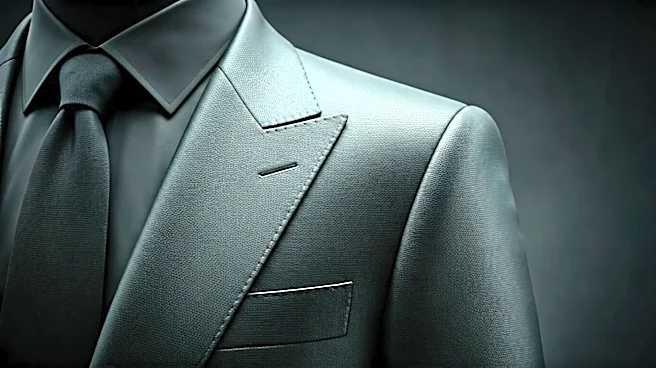
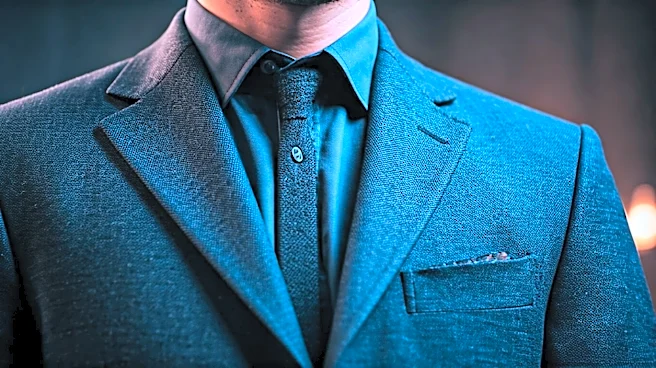
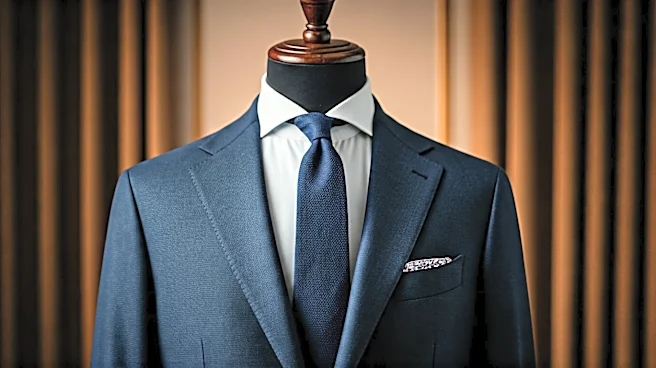
So, if it’s not about tightness, what is it about? The answer lies in silhouette and proportion. An Italian tailor’s primary goal is to create a flattering shape that works in harmony with the wearer’s body. This is achieved through masterful cutting and construction, not by making everything smaller. Consider the famous Neapolitan jacket. It’s known for its unpadded, natural shoulder, often called *spalla camicia* or “shirt shoulder.” This technique creates a soft, sloping line that allows for incredible ease of movement, making the jacket feel more like a cardigan than a suit of armor. The jacket is cut closer to the body, yes, but it’s designed to follow your natural lines and drape elegantly. The objective is to create a V-shape torso, accentuating the shoulders and tapering to the waist, which provides a look of vitality and health. It’s an optical illusion achieved through fabric and cut, not by holding your breath.
The Art of Sprezzatura
This brings us to a crucial, untranslatable concept: *sprezzatura*. Coined in the 16th century, it means a kind of studied nonchalance or effortless elegance. It’s the art of looking impeccably put together without appearing to have tried at all. A suit that is visibly, painfully tight is the very antithesis of *sprezzatura*. It screams effort. It suggests vanity. True Italian style is found in the subtle imperfections: a watch worn over a shirt cuff, a perfectly un-perfect dimple in a tie, or a linen jacket that’s allowed to wrinkle. This requires a fit that is comfortable and forgiving. The garment must move with you, allowing for casual, uninhibited gestures. The fit isn't about looking perfect in a static pose for a photograph; it's about looking graceful and at ease while walking, talking, and living your life. A truly well-fitting Italian garment gives you the confidence to forget you’re even wearing it.
La Bella Figura: Dressing with Respect
Ultimately, the obsession with fit is tied to a deeper cultural principle: *la bella figura*, or “the beautiful figure.” This isn’t about superficial beauty or flaunting wealth. It’s about presenting yourself to the world with dignity, self-respect, and consideration for others. Dressing well is seen as a social courtesy. In this context, a proper fit is paramount because it shows you care. It shows you understand your own body and have put thought into your appearance. A sloppy, oversized suit is just as much a failure as one that’s uncomfortably tight. Both signal a lack of care. The Italian ideal is a garment that feels like a second skin—not because it's suffocating, but because it’s so perfectly aligned with your body and your movements that it becomes a natural extension of yourself. It is the physical manifestation of self-assurance.