



First Off, What is Dynamic Range?
In simple terms, dynamic range is the difference between the quietest and loudest parts of a piece of music. Think of it like a conversation. If someone spoke to you at the exact same volume for an hour, you'd tune out. But a great storyteller varies
their voice—they whisper to pull you in, then raise their voice for dramatic effect. That variation is dynamic range. In music, it's the contrast between a softly plucked guitar intro and a thunderous, full-band chorus. A wide dynamic range gives music texture, emotion, and a sense of life; a narrow one can make a song feel flat and fatiguing, even if it's loud.
The Villain of the Story: The Loudness War
For decades, the music industry has been in a 'loudness war.' The thinking was that a louder song would stand out more on the radio or a playlist. To achieve this, engineers used heavy compression, a process that squashes the dynamic range by making the quiet parts louder and the loud parts quieter. The result is a track that's consistently loud but lacks the peaks and valleys that create excitement. This has conditioned many of us to equate 'loud' with 'better,' but it often comes at the cost of audio quality and emotional impact. A constantly blaring track can be tiring to listen to, as your ears never get a moment to rest. While streaming services have started to normalize volumes, the habit of compressing music heavily remains.
The Festival Stage: A Dynamic Comeback
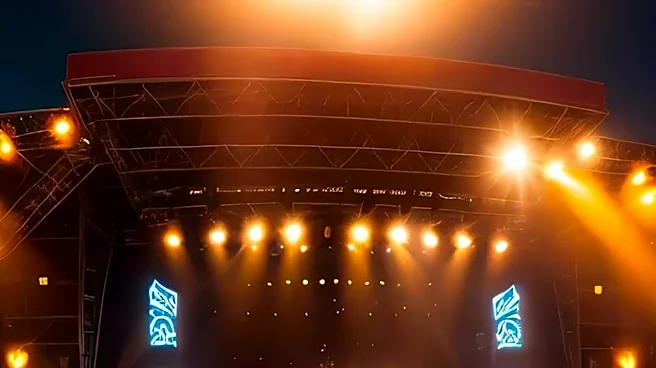
This is where dynamic range becomes a secret weapon at a sprawling outdoor event like ACL Fest. With dozens of stages competing for your attention, the natural instinct for many artists and sound engineers is to push the volume as high as possible. But when every set is relentlessly loud, it all turns into a sonic mush. A performance that skillfully uses dynamic range cuts through the noise in a different way. It grabs your attention not with brute force, but with artistry. A sudden drop into near-silence can make a thousand people hold their breath. The carefully controlled build from a quiet verse to an explosive chorus creates a physical and emotional release that a wall of noise simply can't replicate. In the open air of Zilker Park, where sound can be carried away by wind or absorbed by the crowd, these dynamic shifts create a more engaging and memorable experience.
How to Hear the Difference at ACL
So, how can you spot this secret weapon in action? It requires a bit of active listening. As you wander from stage to stage, pay attention to the space within the music. Is the artist using silence as an instrument? Can you hear the delicate details in a quiet passage just as clearly as the power of a loud one? Notice the bands that pull you in with a whisper before hitting you with a roar. Genres like folk, indie rock, and even some forms of soul and jazz often rely heavily on dynamics. Compare a set that feels like a full-throttle sprint from start to finish with one that feels like a journey with hills and valleys. You'll likely find the latter leaves a more lasting impression. It’s the difference between being yelled at for an hour and being told an incredible story.