
The Timeless Classic Argument
One school of thought champions the bomber as an untouchable classic, a piece of design as perfect and permanent as a pair of blue jeans. Proponents of this view point to its formidable history. Born out of necessity in the early 20th century, the first
flight jackets were crafted to keep pilots warm in uninsulated, open-air cockpits. Evolving from heavy leather in WWI to the lighter nylon MA-1 jacket in the 1950s, its core design—a zipped front, ribbed cuffs, and a fitted waistband—has remained remarkably consistent. This functional origin story, from military hardware to cultural icon, gives it an authenticity that many designers find endlessly appealing. It was adopted by rebels like James Dean, subcultures from punk rockers to hip-hop artists, and eventually became a mainstream staple, proving its ability to adapt and endure. For these designers, the bomber isn't a trend; it's a foundational piece of the modern wardrobe.
The 'Overplayed and Dated' Counterpoint
On the other side of the aisle, some designers view the bomber jacket with a degree of fatigue. The argument here is that its ubiquity has diluted its power. After a massive resurgence in the 2010s, the classic nylon bomber became a fast-fashion staple, appearing in every conceivable color and pattern. One writer noted that after wearing a bomber jacket to death in 2016, she hadn't thought about the style for years until its recent re-emergence. For some creatives, this oversaturation makes the traditional bomber feel generic and uninspired—a safe, commercial choice rather than a bold one. This group argues that clinging to the classic silhouette can feel dated, a throwback to a specific era of streetwear rather than a forward-looking statement. The challenge, as they see it, is to move beyond the jacket's most recognizable form, which has become so common it risks losing its edge.
A Canvas for Constant Reinvention
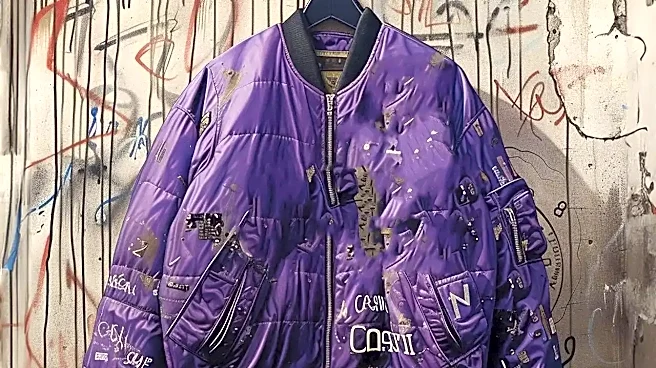
A third, more nuanced view bridges the two extremes. These designers see the bomber not as a fixed artifact or a tired trend, but as a perfect canvas for innovation. The disagreement, in their eyes, isn't about whether the bomber is good or bad, but about how to push it forward. Recent runway collections are a testament to this, showcasing a complete reimagining of the jacket. Designers are playing with proportions, introducing dramatically oversized, cropped, and elongated silhouettes. They're experimenting with unexpected materials like luxurious satin, suede, technical fabrics, and distressed leather, moving far beyond the original nylon and leather. Details are also being rethought, with unique zippers, pocket placements, and embellishments appearing on recent models. For this camp, the bomber's simple, iconic shape is what makes it the ideal template for exploring new ideas in texture, fit, and function.
The Question of Cultural Weight
Finally, the debate among designers often comes down to the jacket's cultural meaning. Its journey is complex: from a symbol of military might to a token of rebellion, it was later adopted by various subcultures, including skinheads and then reclaimed by LGBTQ+ communities as a symbol of inclusivity. This dense history means the jacket is never just a piece of clothing. Some designers lean into this heritage, creating vintage-inspired pieces that honor its rugged, utilitarian roots. Others feel that its historical and subcultural associations can be restrictive, preferring to strip the bomber of its context and treat it as a pure form. The tension lies in whether to celebrate the jacket's past or to deliberately erase it in search of something entirely new. This ongoing dialogue is what keeps the bomber jacket relevant—it forces a conversation about what clothing means and where it comes from.