



Breaking Free from the 'House Style'
For years, much of mainstream American animation seemed to converge on a singular look. Often dubbed the 'CalArts style'—a term that became shorthand for a certain kind of accessible, round-featured character design seen across numerous successful shows—it
was safe, efficient, and proven. But safety rarely breeds excitement. Today, the projects generating the most buzz at events like NYCC are the ones actively rebelling against this uniformity. Panels and premieres are packed for shows that carry the unmistakable fingerprint of their creators. This isn't just about artistic expression; it's a market correction. In an era where audiences have limitless options, looking like everything else is a death sentence. A distinct visual style is the first and best tool a new show has to signal that it offers something different.
The Post-'Spider-Verse' World
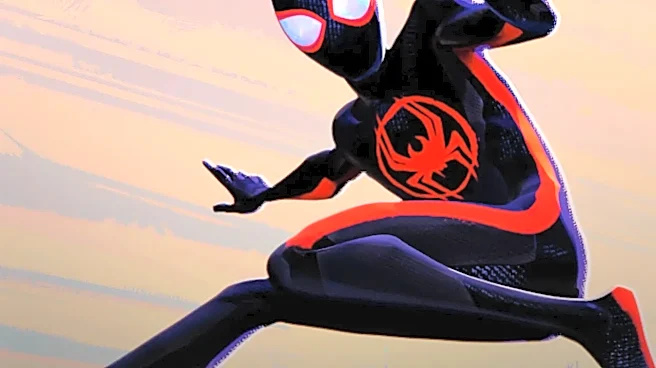
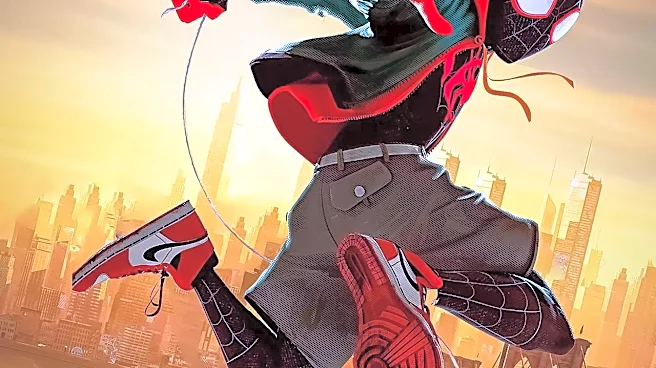
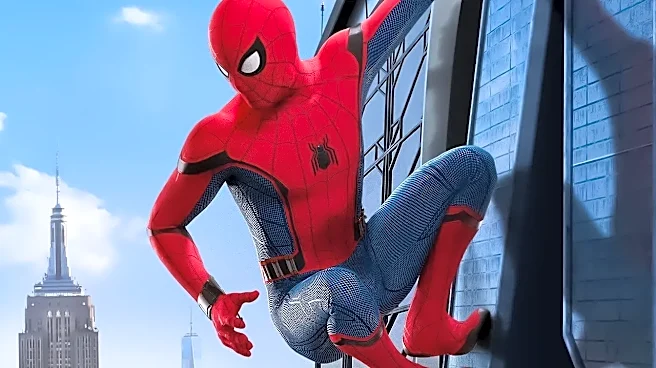
You can't talk about visual innovation in modern animation without mentioning the seismic impact of "Spider-Man: Into the Spider-Verse." Its explosive blend of 2D and 3D techniques, comic book paneling, and a defiantly unique aesthetic didn't just win an Oscar; it gave an entire industry permission to be daring. The film's massive success, followed by similarly ambitious projects like Netflix's "Arcane," proved that audiences were not only ready for but hungry for animation that pushed boundaries. This created a ripple effect, and we're seeing the results on the NYCC floor. Panels for shows like Marvel's 'X-Men '97' season 3 and 'Your Friendly Neighborhood Spider-Man' season 2 draw crowds because they promise a specific, stylized vision. They aren't just selling stories; they're selling a whole vibe, a tangible world you want to inhabit, which all started with that leap of faith into the Spider-Verse.
An Edge in the Streaming Wars
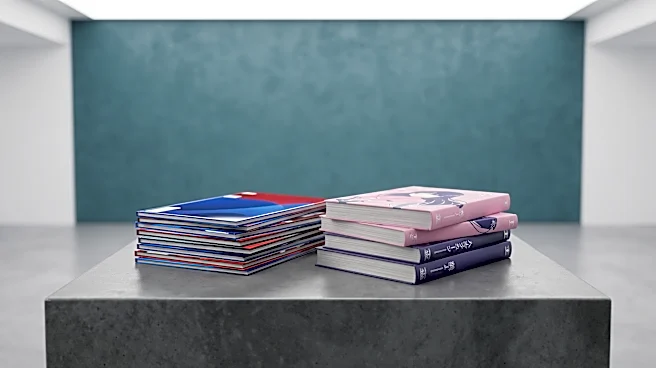
The sheer volume of content is staggering. In the ongoing streaming wars, where every service is desperate to capture and hold subscriber attention, a unique look is a powerful weapon. A show with a striking, memorable art style is more likely to stop someone from scrolling. It pops in a thumbnail, stands out in a social media feed, and becomes instantly recognizable. This is why a show like 'Witch Hat Atelier,' praised for its visual mastery even before its NYCC showcase, can build a dedicated following. Its enchanting art isn't just decoration; it's a core part of its identity and its marketing. Similarly, the buzz around anime premieres from Crunchyroll, for series like 'MARRIAGETOXIN' and 'SSS-Class Revival Hunter,' often centers on their dynamic and unique animation. A distinct visual identity makes a project discoverable and, more importantly, memorable.
The Rise of Creator-Driven Storytelling
Ultimately, the trend toward unique visual identities is intertwined with the empowerment of creators. When a show's art style is inseparable from its creator's vision, the result is a more authentic and cohesive experience. Indie successes like Vivienne Medrano's 'Hazbin Hotel' and 'Helluva Boss'—the latter of which held a premiere screening at NYCC—are prime examples. Their styles are so distinct that they have become brands in themselves. This creator-first approach allows artists to tell stories in a way only they can, with the visuals serving as an extension of their narrative voice. NYCC, as a nexus for fan and creator interaction, becomes the perfect stage to reward this authenticity. When fans line up for a panel, they're often there as much for the creator's vision as for the characters themselves, and a singular art style is the most immediate expression of that vision.