







The Weight of a Flag
Soccer cup pressure is a different beast entirely. Think World Cup, Copa América, or the Euros. This isn’t about a city or a franchise; it’s about national identity. The pressure is external, ancient, and often irrational. When a player puts on their
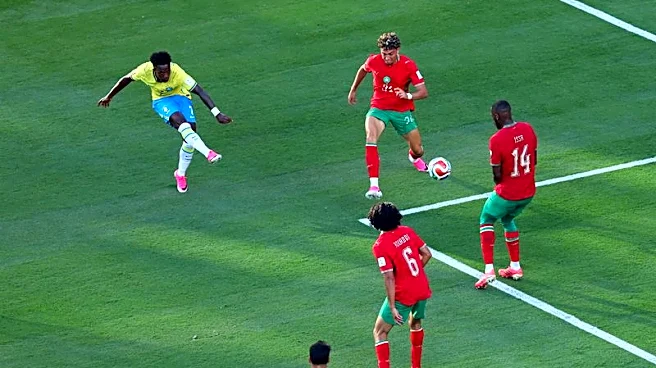
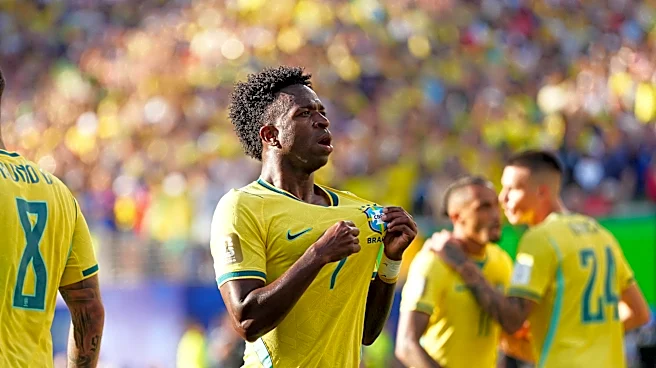
country’s jersey, they cease to be a highly paid club employee and become a symbolic warrior, a representative of millions. There is no “next season.” There is only a four-year cycle of hope, anxiety, and, for all but one team, eventual despair. The burden is less about a contract and more about history. When Brazil was humiliated 7-1 by Germany on home soil in 2014 World Cup, it wasn’t a business failure; it was a national trauma, a wound on the country’s psyche. When Roberto Baggio skied his penalty in the 1994 World Cup final, he wasn’t just a superstar who missed a shot; he became a tragic hero in a national opera. This pressure is atmospheric. It’s in the songs, the flags on cars, and the hushed silence of an entire country during a penalty shootout. It’s the weight of ghosts.
The Burden of the Blueprint
Then you have the American superteam, a distinctly corporate form of pressure. This is the pressure of the blueprint, the expectation manufactured in a front office. It begins when a team assembles a collection of all-stars, often through splashy free-agent signings, and declares its intention to dominate. The Miami Heat’s “Big Three” or the Brooklyn Nets’ brief, disastrous Kevin Durant-Kyrie Irving-James Harden experiment are perfect examples. The narrative is immediately set: “Championship or Bust.” The pressure is internal, born from ego, investment, and media hype. It’s the pressure to justify the roster, the contracts, and the bold proclamations. Unlike the organic hope of a nation, this is an artificial construct. Failure isn’t a national tragedy; it’s a referendum on ego management and team chemistry. It’s seen as a collapse of a project, not a shared cultural moment. The scrutiny is intense, but it’s focused on individuals and their perceived shortcomings.
The Anatomy of the Failure
The nature of the failure itself reveals the core difference. When a national team loses a crucial match, the fallout is a collective, public mourning. Fans share the pain because the team’s identity is intertwined with their own. The players are often forgiven, seen as tragic figures who did their best for the flag. The conversation is about heartbreak. When a superteam implodes in the playoffs, the fallout is a media circus centered on blame. It’s a transaction. Who gets traded? Who’s the scapegoat? Is the coach on the hot seat? The conversation is about accountability and asset management. The 2016 Golden State Warriors, who won a record 73 regular-season games only to lose the NBA Finals, became a meme about hubris. The failure of the LeBron James-led Heat in 2011 wasn't met with sympathy, but with schadenfreude from every other fanbase in the league. The focus isn't on communal pain but on assigning fault.
The Lingering Stain
Ultimately, the difference comes down to legacy. A World Cup failure can define an entire generation of players in their home country. Their careers are forever viewed through the prism of that one moment, that one loss. It becomes a permanent part of their story and the nation’s folklore. A superteam’s failure, however spectacular, has a much shorter shelf life in the relentless churn of American sports. The news cycle moves on. Players change teams, new superteams are formed, and the previous failure becomes a mere footnote, a cautionary tale for GMs. The NBA, in particular, is a league of constant movement and reinvention. A player who fails on one superteam can join another the next season and redeem themselves. The stain is powerful, but it’s rarely permanent.