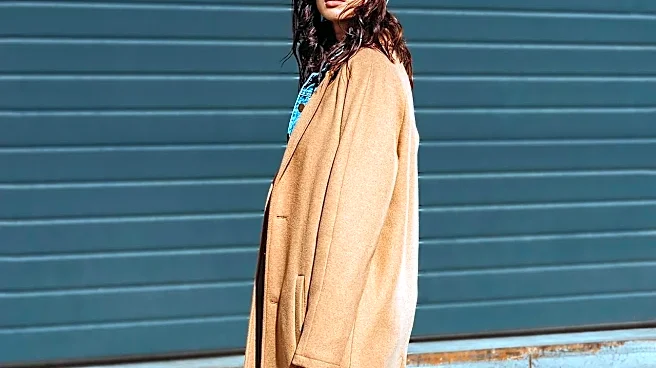


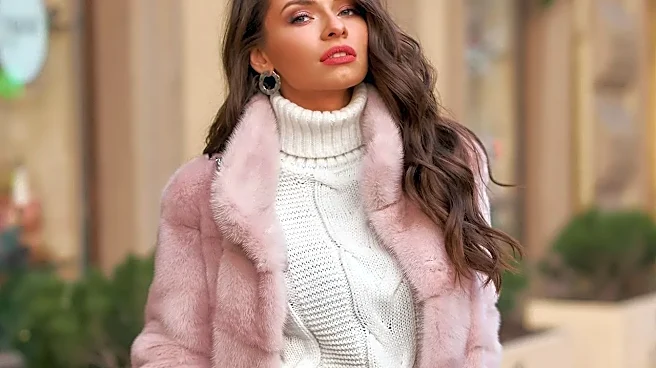


It's the subtle detail that separates a truly stylish winter outfit from a merely warm one. You've chosen the perfect coat and a beautiful long scarf, but something looks… off. The culprit might be your coat pocket, and it's an easy fix.
The Unseen Style Saboteur
We’ve all been
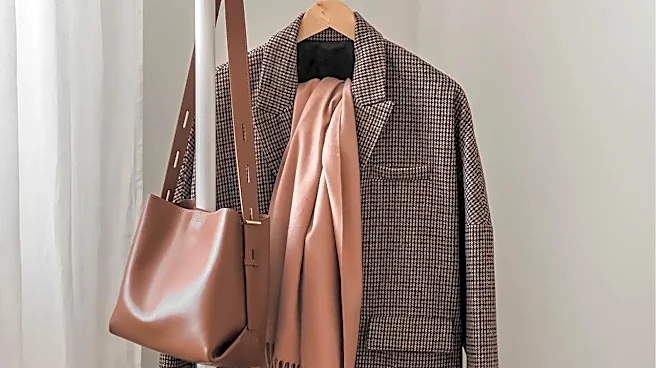
there. You artfully drape a long scarf over your shoulders, creating what should be a clean, elegant line. But instead, the end of the scarf hits a bulky patch pocket, causing a weird bulge. Or you attempt a classic Parisian knot, only to have it sit awkwardly above a high flap pocket. This tiny clash is a visual disruption. It breaks the vertical line you're trying to create, making an outfit look cluttered and unintentional. Instead of enhancing your look, the scarf ends up in a clumsy battle with your coat's architecture, often making you look bulkier than you are. This isn't just about warmth; it's about making your layers look deliberate and sharp.
The Principle: It’s All About the Line
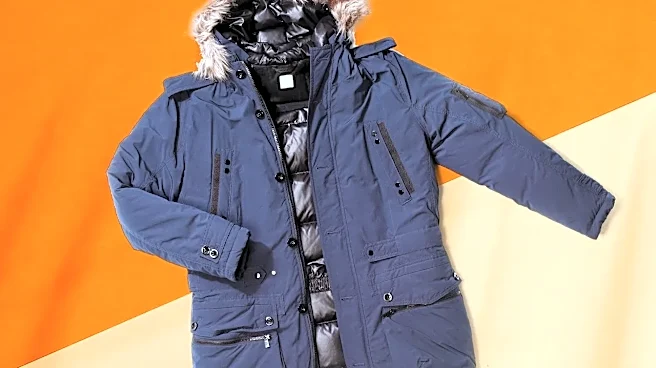
The magic of a long scarf lies in its ability to create a strong vertical line, which is visually elongating and flattering. Think of your coat as the canvas and the scarf as the brushstroke. A long, uninterrupted stroke draws the eye downward, making you appear taller and leaner. Coat pockets, especially prominent styles like patch pockets or chunky accordion pockets common on winter wear, act as roadblocks on this visual highway. Slash pockets, which are set at an angle, or jetted pockets that sit flush with the coat, are less likely to cause an issue. The goal is to style your scarf so it either cleverly avoids these roadblocks or incorporates them in a way that looks intentional.
The Simple Drape: Check Your Landing Zone
The easiest way to wear a long scarf is the simple drape: just hang it around your neck with both ends falling in front. Before you walk out the door, check where those ends land. If one or both are hitting squarely on a pocket, you have a few options. First, try shifting the scarf slightly off-center. This small adjustment might be enough for the ends to fall cleanly beside the pockets. If your coat has lower pockets, you can also try a shorter drape. Alternatively, if it’s windy or you need more security, tucking the ends inside your buttoned coat is a clean solution that bypasses the pocket issue entirely.
The Classic Loop: Adjust for Height
The loop-through, also known as a Parisian knot, is a winter staple for a reason: it's neat, secure, and warm. To do it, fold the scarf in half, place it around your neck, and pull the loose ends through the loop. The key here is the height of your pockets. If your coat has high-set patch or flap pockets, a tight, high knot might sit uncomfortably right on top of them. In this case, loosen the loop and let it hang a bit lower, below the pockets. Conversely, if your pockets are low, a higher, tighter knot can keep the scarf ends from flapping against them and creating visual clutter.
The Intentional Toss: Over the Shoulder, Not the Pocket
The casual over-the-shoulder toss looks effortlessly chic, but it can easily look messy if not executed with a little thought. After draping the scarf, throwing one end over your shoulder should feel nonchalant, not accidental. Check where that tossed end lands on your back. Does it hit a pocket flap or create an odd lump? If so, adjust. Try tossing it over the opposite shoulder, or adjust the initial drape so the end falls on a smooth part of the coat. The goal is an unbroken line from your shoulder down your back. A small, almost invisible pin can also secure the scarf in the perfect, pocket-free spot.
When in Doubt, Go Asymmetrical
If you're struggling to make a symmetrical style work with your coat's pockets, embrace asymmetry. A single, loose wrap where one end is significantly longer than the other is a powerful styling tool. It immediately creates a dynamic, interesting line that is less likely to be perfectly bisected by a pocket. Let the long end drape freely, and you can easily position it to fall in front of, behind, or to the side of any pocket. This makes your styling choice look confident and deliberate—the very definition of personal style.