







A National Moment for Storytelling
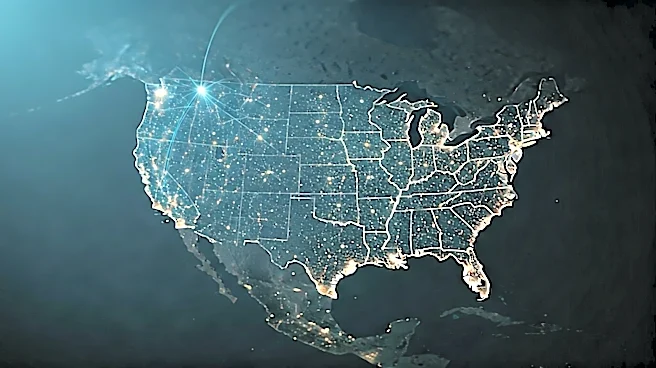
First, what is America 250? Officially the U.S. Semiquincentennial, it’s a multi-year national initiative designed to commemorate the 250th anniversary of the Declaration of Independence. Spearheaded by a commission established by Congress, its mission is to “educate,
engage, and unite” Americans through a wide array of programs and events. The official language focuses on reflecting on the past, honoring all American contributions, and looking toward the future. This creates a powerful, nationwide demand for stories that explore the American identity. Already, organizations like PBS and Netflix are rolling out special programming, from Ken Burns' documentaries to curated film collections. This built-in cultural appetite for historical narratives provides a unique window of opportunity.
The Lost Art of the Epic
The big-screen historical epic, with its sprawling cast and grand scale, used to be a Hollywood staple. Think of films like Lawrence of Arabia, Ben-Hur, or Spartacus. These movies were events. However, the genre has largely fallen out of favor. The decline began in the 1960s and 70s due to a perfect storm of factors: ballooning costs made them financially risky, box-office bombs like Cleopatra spooked studios, and a cultural shift toward smaller, more personal films took hold. A brief revival in the late 90s and early 2000s gave us hits like Braveheart and Gladiator, but a string of expensive flops like King Arthur: Legend of the Sword and Ridley Scott's The Last Duel quickly cooled studio enthusiasm once again. Today, studios are far more likely to bet on established intellectual property and superhero franchises than on costly original epics.
A Perfect Storm for a Comeback
This is where America 250 changes the equation. It provides what the genre has desperately lacked: a compelling, marketable reason to exist right now. First, there’s the audience. The commemoration creates a national mood, a shared context that makes sweeping historical stories feel relevant and immediate. Second, there's the streaming effect. In the endless war for subscribers, platforms like Netflix, Apple TV+, and Amazon need “event” programming that can’t be ignored. A prestige historical epic, timed to a major national anniversary, is exactly the kind of high-profile project that cuts through the noise. Finally, there's the potential for public-private partnerships. The America250 Commission is actively working with corporations and organizations, creating funding avenues outside the traditional, risk-averse studio system.
Not Your Grandfather’s Epic
However, a 21st-century revival wouldn't just be a rehash of old formulas. The historical epics of the past were often criticized for their simplistic heroism and lack of historical accuracy. Today’s audiences and creators are more attuned to the complexities and contradictions of history. The mission of America250 itself stresses showcasing “the rich tapestry of our American stories” and honoring the contributions of all Americans. This opens the door for epics that are more diverse, nuanced, and questioning. Instead of a single, monolithic story, we could see ensemble films that explore the Revolution from the perspective of Black soldiers, Native American nations, or women on the home front. Recent films and series have already shown an appetite for these more complex historical narratives, focusing on underrepresented figures and uncomfortable truths. The new American epic could be less about celebrating a myth and more about exploring the messy, inspiring, and ongoing reality of the American experiment.