





Your Brain on Autumn
The feeling that autumn is fundamentally different isn't just in your head; it’s a physiological response to the changing world around you. As the days get shorter and sunlight decreases, our brains produce more melatonin, a hormone that regulates sleep
and can affect mood. This shift can make thoughts feel a bit heavier and our disposition more contemplative. Psychologists also talk about a phenomenon called "mortality salience," which is a heightened awareness of death. In autumn, we are surrounded by a grand, beautiful decay—the leaves fall, the air grows cold, and gardens wither. This environment acts as a subconscious cue, priming our minds to be more receptive to themes of finality and fear, which are the bread and butter of slasher films. A masked killer hiding in the vibrant green of summer feels like an anomaly; against a backdrop of dying leaves, it feels chillingly appropriate.
The Power of Seasonal Ritual
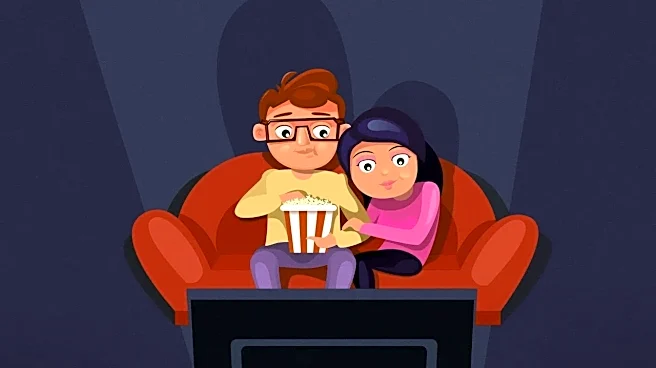
Humans are creatures of habit and ritual, and October has become the unofficially official month for horror. For decades, movie studios have strategically saved their biggest horror releases for the fall, creating a powerful cultural association. This marketing blitz, from theatrical releases to streaming services curating entire “spooky season” collections, has trained us to anticipate and even seek out fear in October. The experience is also more communal. Unlike watching a horror movie on a random summer night, October viewings are often part of a shared social experience—a movie marathon with friends, a Halloween party, or even a nationwide trip to the theater for the season's big scare. This communal viewing creates an emotional feedback loop. We scream, laugh, and gasp together, amplifying the tension and making the experience more memorable and intense. It transforms a private viewing into a public rite.
Atmosphere Is Everything
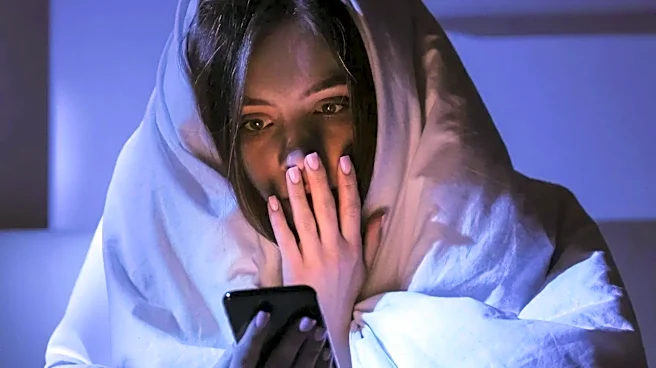
A slasher film simply works better when the world outside your window matches the mood on screen. The crisp, cold air, the long nights that begin creeping into the late afternoon, and the rustle of dead leaves in the wind create a natural, immersive setting for horror. These elements play on our primal fears of the dark and the unknown. Trying to get into the Halloween spirit on a bright, 90-degree July day feels forced because our sensory experience is all wrong. The sun is energizing, associated with outdoor activities and upbeat moods. In contrast, the encroaching darkness and chill of autumn encourage us to stay inside, creating a sense of cozy vulnerability that is perfect for storytelling. Huddled on the couch while the wind howls outside, we become more susceptible to the film's suspense. The aural and visual landscape of fall provides a free, feature-length prequel to whatever horror you’re about to watch.
A Safe Way to Confront Fear
October, culminating in Halloween, gives us cultural permission to explore our fascination with the morbid and the macabre. Psychologists suggest that engaging with horror content is a way to confront our deepest anxieties—about death, violence, and the unknown—in a controlled and safe environment. Watching a character flee from a killer on screen allows us to experience the thrill of a life-or-death situation and the subsequent relief of survival, all without any actual danger. This process can be cathartic, a way of managing real-world anxieties by processing them through a fictional lens. In July, our focus is often on vacation, relaxation, and escape from the mundane. In October, the cultural script flips. We are encouraged to lean into the darkness, to find entertainment in fear, and to collectively participate in a tradition that acknowledges the thin veil between safety and terror. The slasher film becomes the perfect tool for this seasonal exploration.