






From Hero to Zero in 90 Minutes
It’s a story as old as sport itself. A hero is forged in the fires of competition, only to be brought down by a single, human moment of error. Look no further than the shocking 2026 World Cup match between Germany and Paraguay. German center-back Jonathan
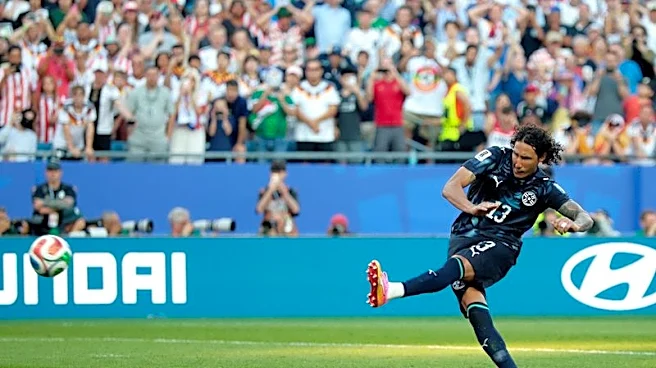
Tah thought he was the hero when he headed in what looked like the winning goal in extra time, only for it to be disallowed. Less than an hour later, he was the undisputed villain, blazing his penalty over the bar in the decisive shootout and sending his country home. The headlines practically write themselves, painting a simple narrative of failure and blame. In that moment of heartbreak, the complex athlete is reduced to a single, devastating action. He becomes the scapegoat, the focal point for a nation’s collective agony. It’s a brutal, instantaneous transformation.
Why We Need Someone to Blame
This need to create a villain isn't just cruel; it's a fundamental part of the fan experience. Sports psychology shows us that athletes face immense mental pressure from coaches, media, and fans, which can be mentally draining. When a team we identify with loses, that disappointment feels personal. It’s easier to channel that complex frustration onto a single target than to accept a more nuanced reality—that the other team was better, that luck wasn't on your side, or that a loss is simply a part of the game. The villain gives us a simple answer. He provides a release valve for our anger and disappointment. It's not a fair process, but it’s a deeply human one. The player bears the weight not just of their mistake, but of an entire country's shattered dreams.
The Playbook for Atonement
The path back from villainy is a well-trodden one, and it begins almost immediately. The first step is often contrition: the post-match interview with tears in his eyes, the carefully worded social media apology to teammates and fans. This is where the player begins to reclaim their own narrative. But words are only the beginning. True redemption in sports is earned, not given. It’s a currency paid in sweat, discipline, and, most importantly, future performance. Sports psychologists emphasize that developing mental focus, emotional control, and confidence is key to overcoming setbacks. The athlete must go back to their club, put in the work, and remind the world of their talent. The public has a short memory for apologies, but a long one for game-winning goals.
Redemption Is Scored in Goals
There is no greater case study in villainy and redemption than David Beckham. After his infamous red card for a petulant kick at Diego Simeone in the 1998 World Cup, he became public enemy number one in England. One newspaper headline read, 'Ten heroic lions, one stupid boy'. He faced abuse and death threats. But Beckham didn't crumble. He returned to Manchester United, became a better player, and worked tirelessly. His redemption arc culminated three years later with a stunning last-minute free-kick against Greece to send England to the 2002 World Cup. And in a script worthy of Hollywood, he scored the winning penalty against Argentina—the very team from his 1998 downfall—in that tournament. It was proof that on-field heroics are the only antidote to on-field disgrace.
More Than Just a Player
The final chapter of redemption is often written off the pitch. It’s about demonstrating growth and maturity. The player who was once seen as reckless or selfish can become a leader, a mentor to younger players, or a passionate advocate for a cause. This humanizes them, reminding the public that athletes are more than just the jerseys they wear. Fans are willing to forgive an error, but they are inspired by a story of growth. By showing the world the person who learned from their mistake, the athlete can complete their transformation. The villain becomes a more complex, relatable, and ultimately more interesting hero than the one who never stumbled in the first place.