






The Original Fear Was Simple
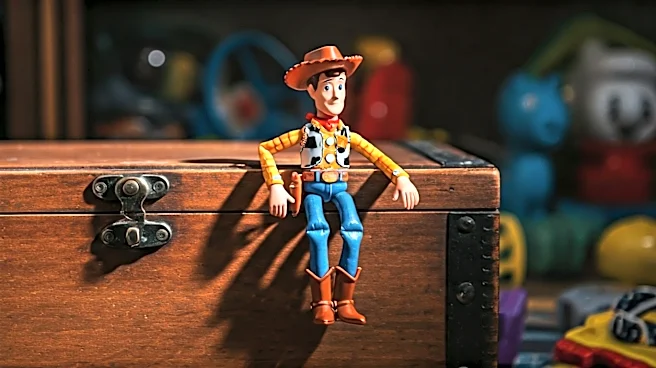
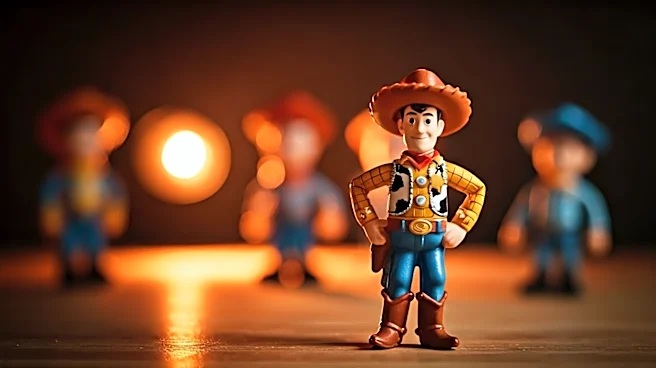
For three perfect films, the central terror of the *Toy Story* universe was straightforward and deeply relatable: the fear of being replaced. Woody, the analog cowboy king, was terrified of Buzz Lightyear, the digital-age space ranger. In the sequel,
the gang feared being packed away into storage, forgotten and unloved. And in *Toy Story 3*, they faced the ultimate obsolescence: their kid, Andy, grew up and left for college. This was the engine of the story—a toy’s value is derived entirely from a child’s love, and that love has an expiration date. The conflict was always external: a new toy, a yard sale, a move to a new house. The drama came from navigating these physical threats to their idyllic existence in a child's bedroom. It was a brilliant, self-contained emotional loop that paid off in one of cinema’s most tear-jerking farewells.
Toy Story 4 Broke the Formula
*Toy Story 4* was a fascinating, if divisive, epilogue. It answered a question nobody was asking: what happens *after* your kid gives you away? By introducing Bonnie, the series showed that the cycle could continue. But the film’s narrative engine wasn’t about being replaced by another toy; it was about a toy, Forky, who didn’t even want to be a toy. The film ended with Woody making a radical choice: he abandoned the entire system. He left Bonnie’s room to become a “lost toy,” finding purpose not in being owned by one child, but in helping all toys find their way. This effectively solved the franchise’s core problem. Woody was no longer existentially dependent on a single kid’s attention. So, with that chapter closed, where could a fifth film possibly find emotional stakes?
Enter the Black Mirror
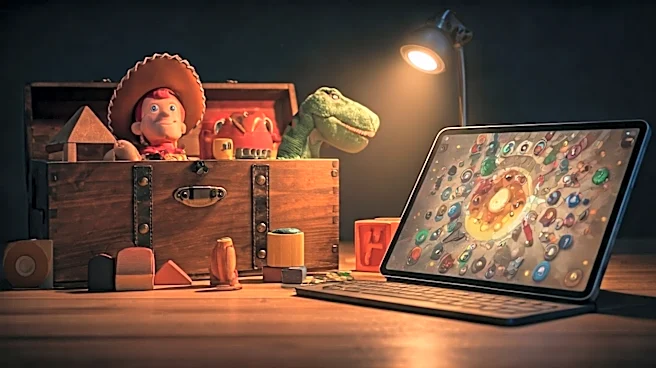
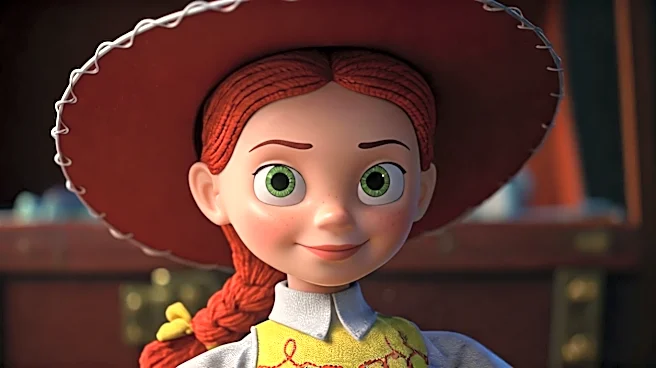
The answer is sitting on the couch in every family home in America. The new villain, the new existential threat to Woody, Buzz, and the whole gang, isn’t another toy. It’s the iPad. It's the Nintendo Switch. It’s the smartphone permanently affixed to a child’s hand. Previous films dealt with rival toys competing for a child's finite affection. But a screen isn’t a rival. It’s a replacement for the very concept of play itself. An iPad doesn’t just get more playtime than Jessie; it has the potential to eliminate the *need* for Jessie entirely. This isn’t a competition; it’s an extinction-level event. A child engrossed in a YouTube Kids video or a round of *Minecraft* isn’t just ignoring their physical toys; they are in a different dimension of play, one where plastic and stuffing can’t follow. The terror is no longer “Will she play with me more?” It’s “Will she play with toys at all?”
Parental Guilt is Pixar's Gold
Herein lies the genius. The original *Toy Story* audience—millennials who grew up with Andy—are now the parents of the iPad generation. And they are swimming in anxiety and guilt about it. Every article about developmental milestones, every judgment-laden parenting blog, and every quiet dinner where a screen is deployed for peace is a testament to this modern emotional conflict. Pixar doesn’t need to spend an hour building up a new emotional framework for *Toy Story 5*. The audience will walk into the theater pre-loaded with it. When they see a toy sadly watching a child stare blankly at a tablet, they won’t just be feeling for the toy. They’ll be feeling for themselves. It’s a powerful, uncomfortable, and deeply resonant emotional shortcut. The film can tap directly into the guilt of every parent who has ever handed their kid a screen to get five minutes of quiet, and it will land like a ton of bricks.