





The Architect and CEO in One
In film, the director is king. In television, that title belongs to the showrunner. This role is a unique hybrid of creative visionary and pragmatic CEO. The showrunner is the ultimate authority, responsible for every aspect of a series, from the initial
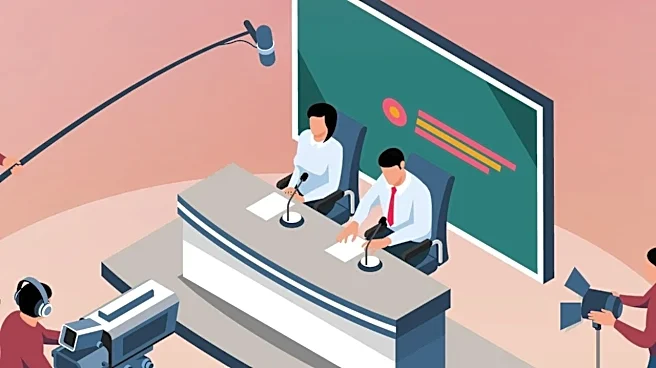
concept to the final edit. They don't just write scripts; they build worlds. They oversee the writers' room, approve casting, manage budgets, and ensure a consistent tone across dozens of hours of television. While directors for individual episodes come and go, the showrunner is the constant, the single person ensuring the show remains true to its core identity, season after season. They are the captain of the ship, navigating the complex waters of network demands, creative disputes, and production logistics.
The Vision That Wins Emmys
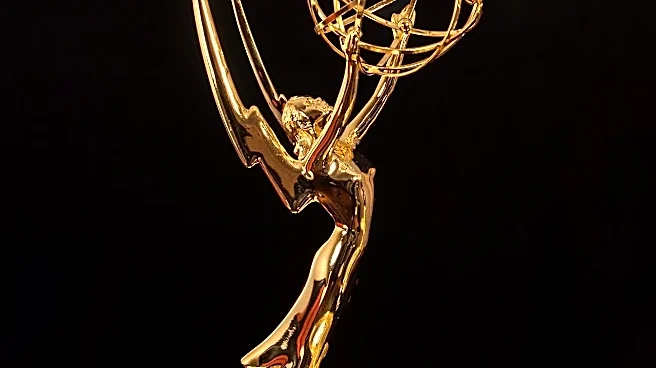
Look at this year's Emmy contenders, and you'll see the showrunner's DNA in every frame. Take a show like HBO Max’s medical drama 'The Pitt,' which dominated with 25 nominations. Its success isn't just about compelling medical cases; it's about a specific, gritty tone and complex character arcs that are meticulously maintained by the showrunner. That consistency is what builds a loyal audience and impresses Emmy voters. Similarly, the final season of 'Hacks' is being hailed as a fitting send-off, a testament to creators Lucia Aniello, Paul W. Downs, and Jen Statsky's ability to evolve characters over five seasons without losing the show's signature wit. This long-form storytelling is a showrunner's domain, requiring a marathon runner's endurance, not a sprinter's speed.
The Keeper of the Voice
A great show has a distinct voice. Think of the unique, off-kilter humor of a series like 'Beef' or the sharp, layered dialogue in 'Widow's Bay.' That's the showrunner's work. They are typically the head writer, or at least the most senior voice in the writers' room. It’s their job to ensure that a script written by one person sounds like it belongs in the same universe as a script written by another. This involves breaking stories with the writing staff, doing final polishes on scripts, and making sure every joke, every dramatic beat, and every line of dialogue serves the larger story they are trying to tell. This role is part collaborator, part benevolent dictator—the one person who has the final say to protect the show’s creative integrity.
More Than Just a Creative
While the creative vision is paramount, a showrunner's job is intensely practical. They are the main point of contact for the studio and network, responsible for delivering episodes on time and on budget. This means making tough decisions. Can they afford that expensive location shoot? Does a particular storyline need to be cut for time? Is a guest star worth the cost? This blend of left-brain logistics and right-brain artistry is what makes the role so demanding. They manage massive teams of writers, actors, and crew members, all while serving as the ultimate quality control for a multimillion-dollar enterprise. A showrunner who can't manage a budget or a schedule, no matter how brilliant their ideas, won't be a showrunner for long.