




Freedom from the Spotlight
A film’s lead actor carries the entire narrative on their shoulders. They are the engine of the plot and must remain relatable and consistent enough for audiences to follow for two hours. Supporting actors, however, have no such burden. They are free
to be eccentric, explosive, or utterly transformative in ways a protagonist often cannot. This liberty allows for scene-stealing moments that punctuate the film with unpredictable energy. Think of a veteran character actor taking a wild swing or a newcomer making an unforgettable debut; they can create a vivid impression without the pressure of sustained narrative responsibility. This freedom is often where the most memorable and audacious acting lives, making it prime material for festival buzz.
The Power of a Perfect Arc
Supporting characters often benefit from having the most potent and condensed character arcs. While a protagonist's journey may meander, a supporting role can be designed for maximum impact in minimal screen time. They can enter the story, challenge the hero, offer a crucial piece of wisdom, or represent the film's core theme, and then exit. This narrative efficiency makes their journey feel incredibly powerful and complete. An audience can track their entire transformation—from cynical to hopeful, from foe to friend—in a handful of scenes, providing a satisfying emotional payoff that lingers long after the credits roll. It’s this complete, self-contained story within a story that often resonates deeply with viewers.
The Awards Campaign Machine
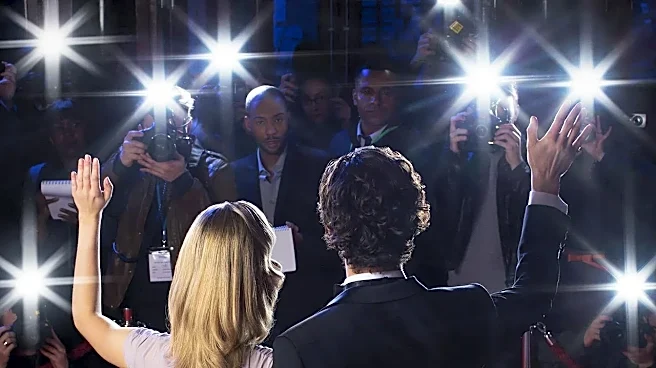
There's also a highly strategic element at play: the Oscar campaign. The fall festival circuit, with TIFF as a major launchpad, is the unofficial start of awards season. Studios and publicists know that the supporting actor categories can be less crowded and easier to build a narrative around. A campaign might focus on a beloved veteran finally getting their due or a dazzling newcomer's 'breakout' moment. Placing an actor in the supporting category, even if their role is substantial, can be a calculated move to increase their chances of a nomination and, ultimately, a win. This buzz is carefully cultivated through Q&As, media appearances, and targeted "For Your Consideration" ads that begin the moment a film premieres at a festival.
A Different Kind of Audience
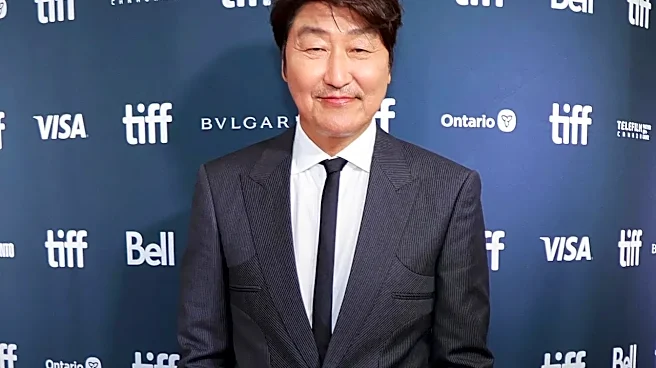
It’s also crucial to understand who is in the audience at TIFF. Unlike the general moviegoing public, festival crowds are largely composed of critics, industry professionals, and hardcore cinephiles. This is a group that is actively looking to discover talent. They are trained to notice the nuances of a performance and are often more excited by a surprising, transformative turn from a lesser-known actor than they are by a reliable performance from an established star. For this audience, spotting the 'next big thing' or seeing a familiar face in a new light is part of the thrill of the festival experience itself. That excitement translates directly into the articles, reviews, and social media chatter that shape the post-screening conversation.