




Finding a Voice for the Comic Page
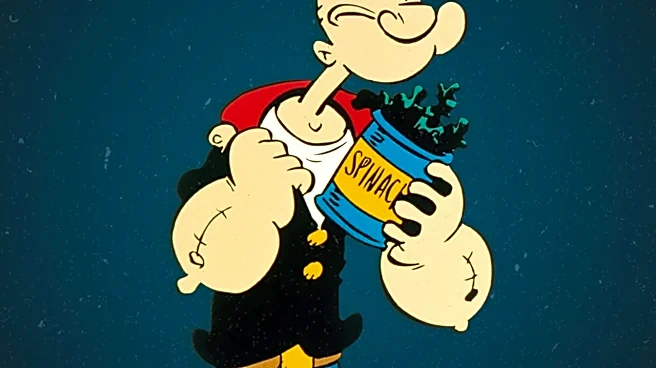
In the early 1930s, Max and Dave Fleischer’s animation studio landed the rights to a massively popular comic strip character: Popeye. On the page, creator E.C. Segar drew a scrappy, squinty-eyed sailor who mumbled his lines and chewed on his pipe. The
studio needed to find an actor who could turn that visual attitude into a sound. They needed someone with a voice that sounded naturally gruff, tough, and a little hard to understand. The search led them to a vaudeville performer and drummer named William Costello, who also went by the stage name "Red Pepper Sam". Costello already had a relationship with Fleischer Studios, having used a raspy voice for a character named Gus the Gorilla on a Betty Boop radio show. The studio felt that unique, gravelly quality was exactly what Popeye needed. When Costello auditioned, delivering lines in the mumbled, coarse style he'd been developing for years, the producers knew they had their man. He wasn't just imitating a character; he was the character.
The Original Voice Becomes a Problem
Costello made his debut in the 1933 Betty Boop cartoon "Popeye the Sailor," and audiences loved him instantly. The sailor man was a breakout star, and Costello’s voice was a huge part of the appeal. He voiced the character for the first 24 shorts, cementing the iconic mumble and gruff laugh. But as Popeye's fame skyrocketed, so did Costello’s ego. Despite never receiving an on-screen credit, he knew he was the voice behind an international sensation. According to studio lore, Costello became notoriously difficult to work with, allegedly demanding more money and even walking out in the middle of recording sessions. For the tight-knit, hardworking Fleischer Studios, this behavior was unacceptable. After just two years, at the height of Popeye's initial surge in popularity, the studio fired him.
An Accidental Star in Their Midst
The studio now had a hit character with no voice. The search for a replacement could have been a major setback, but the solution turned out to be working right under their noses. Jack Mercer was a young apprentice animator at the studio, part of the team that drew the cartoons. As a joke, Mercer would often imitate the voices of characters around the studio, and he had gotten particularly good at mimicking Costello's Popeye. One day, studio executive Lou Fleischer overheard Mercer singing the Popeye theme song to himself while walking through the office. He wasn't just singing it; he was doing a perfect, effortless Popeye. Fleischer was stunned. He pulled Mercer aside and immediately brought him to audition. The studio heads were amazed. Here was an in-house animator, not a trained voice actor, who could not only replicate the voice but also embody the character. Mercer was hired on the spot.
The Voice That Defined a Legacy
Jack Mercer's first Popeye cartoon was 1935's "King of the Mardi Gras," and he would go on to voice the sailor for more than 40 years across theatrical shorts and television series. What began as a stunningly lucky break became one of the most enduring legacies in voice acting. Mercer didn't just imitate Costello; he expanded on the role, becoming famous for ad-libbing the hilarious under-his-breath mutters that became a Popeye trademark. This was often a practical necessity, as animators would sometimes leave room in the animation, and Mercer would fill the silence with witty, mumbled asides. The man hired by accident ended up defining the character for generations of fans. He became so intertwined with the role that even years later, when Hanna-Barbera revived the character, they still made Mercer audition for the part he had made his own—a test he passed with ease.