

The 45-Degree Secret
To understand the bias cut, you first have to think of woven fabric as a grid. It has lengthwise threads (the warp) and crosswise threads (the weft). Traditionally, pattern pieces are cut along these straight lines, which provides stability. The bias cut throws
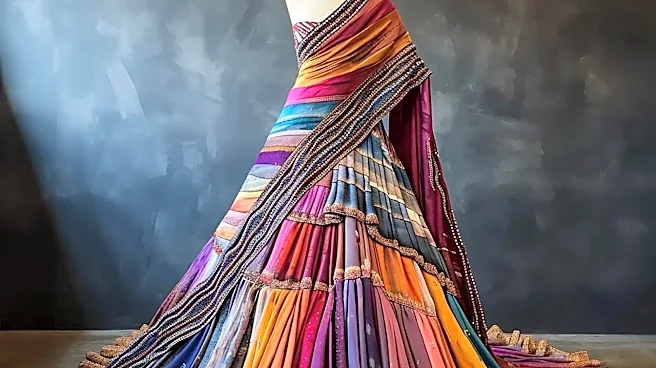
that rule out the window. It involves cutting the fabric at a precise 45-degree angle to the grain. This diagonal slice is called the "true bias," and it's where the fabric has the most natural stretch and flexibility, even in non-stretchy materials like silk or satin. By cutting on this angle, a designer unlocks properties hidden within the fabric's weave, changing its fundamental behavior from rigid to fluid.
Unlocking Gravity, Stretch, and Drape
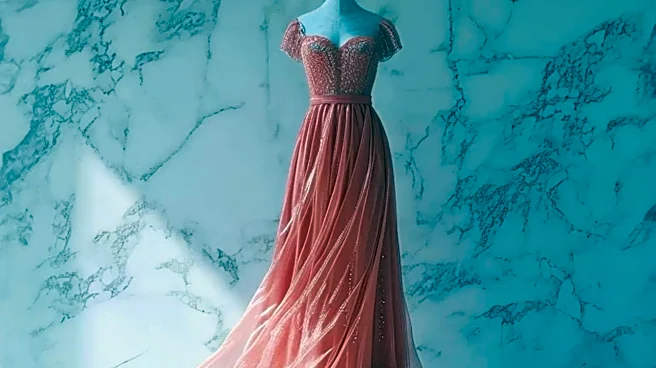
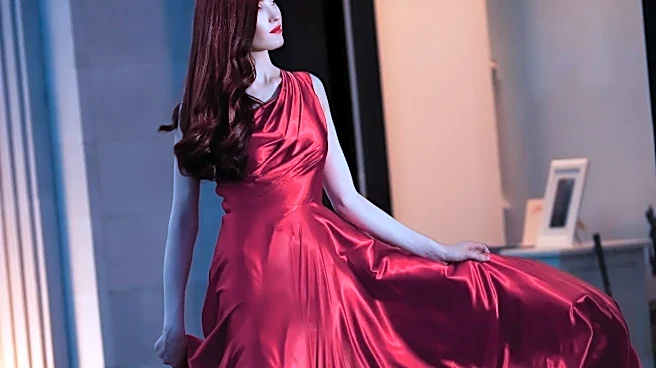
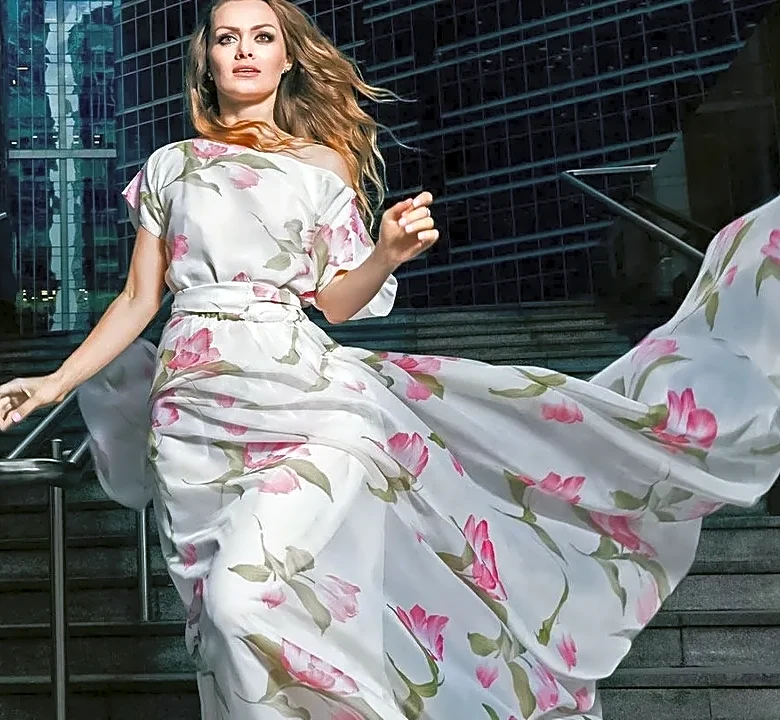
So, what does that 45-degree cut actually do? It makes the fabric drape. Instead of hanging stiffly, a bias-cut garment gains a liquid-like quality, allowing it to skim and cascade over the body's curves. This happens because the diagonal grain lets the threads shift and move in relation to one another, creating a mechanical stretch that has nothing to do with Spandex or other elastic fibers. The result is a silhouette that is shaped more by gravity and the wearer's own form than by darts and rigid seams. A bias-cut evening dress clings where you want it to cling and falls away where you want it to flow, creating a silhouette that feels both incredibly glamorous and surprisingly comfortable.
The Architect of Slink: Madeleine Vionnet
While the technique existed in small applications like collars, it was French couturier Madeleine Vionnet who revolutionized fashion by applying it to entire garments in the 1920s and '30s. Inspired by ancient Greek statues and the free-flowing movements of dancer Isadora Duncan, Vionnet wanted to liberate the female form from the restrictive corsets of the era. The bias cut was her key. It allowed her to create ethereal, body-skimming gowns that moved with the wearer, not against her. Her work defined the slinky, sensual glamour of 1930s Hollywood, earning her the nickname “Queen of the bias cut” and making the technique synonymous with high fashion.
The Price of Fluidity
If bias cutting is so magical, why isn’t every dress made this way? The answer comes down to two things: skill and cost. Cutting fabric diagonally is inherently wasteful; it requires significantly more yardage than cutting on the straight grain because the pattern pieces don't fit together as neatly. Furthermore, that beautiful, stretchy quality makes the fabric notoriously difficult to handle. Seams can stretch, pucker, and twist if not sewn with extreme precision, and hems are prone to warping. This means that creating a perfect bias-cut garment requires a higher level of craftsmanship and more time, both of which translate to a higher price tag. This difficulty, however, is part of what makes a true bias-cut gown a luxury item.
From Old Hollywood to Modern Red Carpets
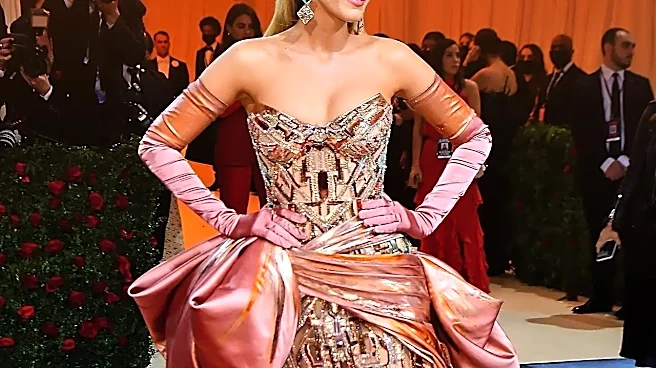
The bias cut’s legacy is most potent in the world of evening wear. It gave 1930s stars like Jean Harlow and Greta Garbo their signature slinky look. Decades later, it defined the effortless glamour of Halston’s 1970s disco-era gowns. And it’s responsible for one of modern cinema's most memorable fashion moments: the emerald green dress Keira Knightley wore in Atonement. Today, designers like John Galliano and Alexander McQueen have continued to explore the technique. An evening dress cut on the bias isn't just a piece of clothing; it's an exercise in engineering and artistry. It promises a silhouette that is at once forgiving and form-fitting, elegant and sensual—a second skin that comes to life with every movement.