
The Unseen Architects of the Night
When you're watching the Americana Honors & Awards, you’re seeing a 'family reunion' of roots music. But the people who truly hold the family together are often in the background, instruments in hand. For years, that role has been mastered by musical
directors like the legendary Buddy Miller. These directors lead the Americana All-Star Band, an elite group of musicians who have the monumental task of being the house band for an entire evening of disparate artists. This year’s band, for instance, features luminaries like Larry Campbell and Don Was. Their job isn't just to play well; it's to be the ultimate musical safety net for dozens of performers, one after another.
The Art of the Three-Minute Friendship
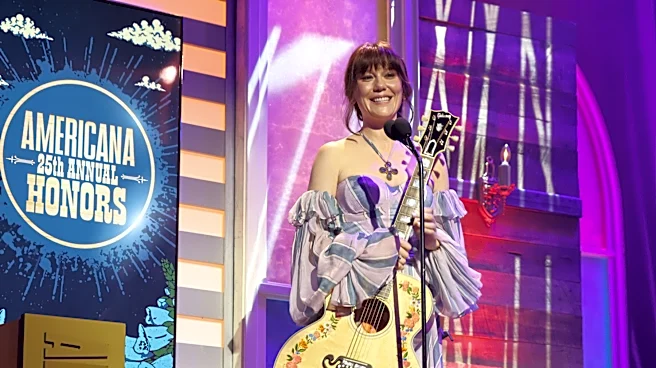
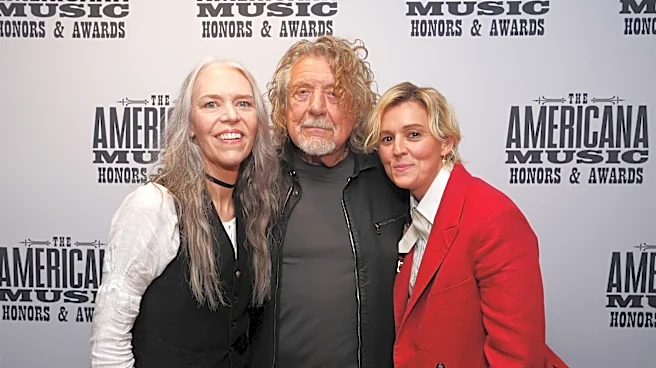
Imagine having to learn songs for Robert Plant, Brandi Carlile, and Molly Tuttle, all while knowing you might only have a few minutes of rehearsal for each. That’s the core challenge. Unlike a touring band that perfects one setlist over months, an awards show house band has to become intimately familiar with dozens of songs in different keys, styles, and tempos. The musical director is the quarterback, digesting every artist's needs—from a specific guitar tone to a particular drum fill—and translating it into a language the band can execute instantly. The process involves a flurry of emails, chord charts, and reference recordings exchanged weeks in advance, but the real magic happens in lightning-fast soundchecks and backstage huddles.
One Band, Twenty-Plus Bosses
The rapid changeovers are the most visible part of the puzzle. One moment, the band is providing the delicate backing for a folk ballad; the next, they’re driving a blistering rock-and-roll tribute. Each artist is, for their three minutes on stage, the boss. This requires more than just musical skill; it demands immense humility and adaptability. The director and the band must suppress their own musical instincts to serve the song and the artist. They have to anticipate a singer's phrasing, react to an unexpected solo, and provide a steady, confident foundation so the artist feels comfortable enough to deliver a memorable performance under the bright lights of the Ryman Auditorium.
Controlled Chaos and Grace Under Pressure
What happens when it goes wrong? An artist forgets a lyric, a guitar string breaks, or a technical glitch occurs. This is where the musical director truly earns their keep. Their job is to lead the band through the problem so smoothly that the audience at home and in the theater might not even notice. It could be as simple as extending an instrumental section to cover a missed cue or subtly guiding a nervous performer back to the right key. It’s a job that requires deep listening and the ability to communicate with the band through nods and glances. This quiet leadership is what transforms a potential trainwreck into a unique, live moment.
More Than a Gig, It's a Community
At an event like the Americana Awards, the role of musical director transcends simple logistics. The genre itself is built on collaboration and a shared musical heritage. Directors like Buddy Miller and multi-instrumentalists like Larry Campbell are pillars of this community, having played with, produced, or mentored half the people in the room. This shared history builds a level of trust that can’t be manufactured. When an artist walks on stage, they aren’t just looking at a group of hired guns; they’re seeing friends and peers who have their back. This collaborative spirit is the secret ingredient that allows them to navigate the rapid-fire changeovers and create a show that feels both professional and deeply personal.