








The Non-Negotiable Foundation: Scale
The first and most obvious filter for a major final venue is pure, unadulterated size. FIFA, for instance, has a strict requirement that any stadium hosting a World Cup final must have a capacity of at least 80,000 seats. But this isn't just about selling
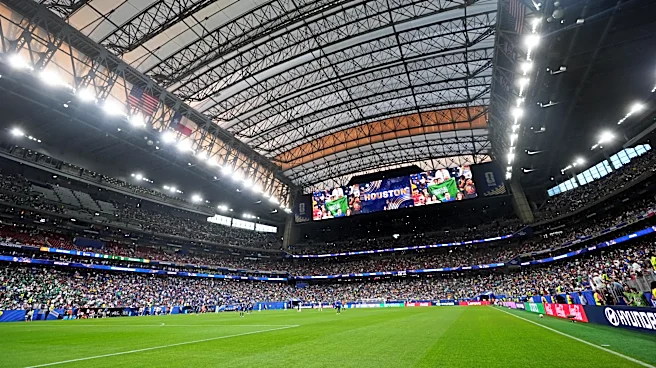
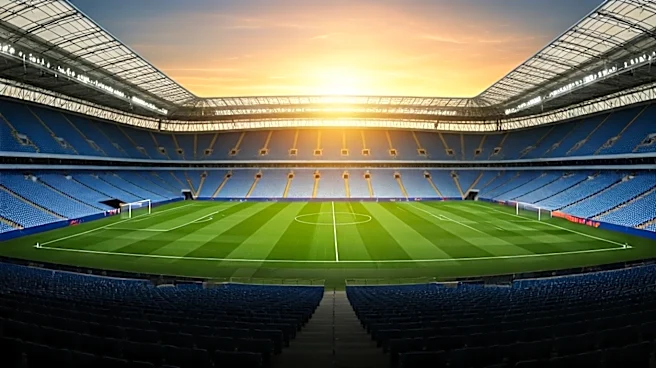
more tickets. It's about creating a spectacle. A crowd of that magnitude generates a visual sea of color and an auditory wall of sound that is impossible to replicate in a smaller venue. When you see a panoramic shot of a final, the sheer scale of the crowd is a primary ingredient in the drama. It’s the difference between a game and a global event. Venues like MetLife Stadium, chosen for the 2026 World Cup Final, fit this mold perfectly with a capacity of over 82,500. This ensures the event feels as monumental as its stakes.
The City as a Co-Host
A stadium doesn't exist in a vacuum. Hosting a final is a logistical gauntlet that involves an entire metropolitan area. The venue must be supported by a massive infrastructure of hotels, transportation, and media facilities capable of handling a sudden influx of hundreds of thousands of international fans, journalists, and VIPs. The choice of the New York/New Jersey area for the 2026 final underscores this point. The region offers unparalleled global access, media presence, and the operational capacity to manage one of the most complex events in sports. A beautiful stadium in a remote location could never cope. The host city must be able to absorb the event, providing a seamless experience from airport arrival to stadium entry, all under a massive security operation. It’s a tournament within a tournament.
Architecture That Creates Intimidation
This is where the 'drama' part truly kicks in. Modern stadium design is an acoustic science. Architects now deliberately create features that trap and amplify crowd noise, turning the fans' passion into a tangible force. Steeply raked seating bowls keep fans close to the action, making the noise feel more immediate and intense. Cantilevered roofs, like those used in stadiums known for their noise, are designed to reflect sound back down onto the field, creating a deafening environment that can genuinely unsettle visiting players. A continuous, bowl-shaped design without open corners prevents sound from escaping, ensuring chants and roars swirl and build, rather than dissipate. The result is an intimidating atmosphere that can feel like a '12th man' for the home or favored side, adding a psychological edge to the physical contest.
The Weight of History
Some stadiums are chosen because they are already hallowed ground. Playing a final at a venue like London's Wembley Stadium or Rio de Janeiro's Maracanã adds a layer of historical resonance that can't be manufactured. These aren't just steel and concrete; they are 'theatres of dreams' or 'temples of football' that have witnessed decades of triumph and heartbreak. When players walk onto that pitch, they are walking in the footsteps of legends. That weight adds pressure and prestige, elevating the narrative of the match before a ball is even kicked. Even newer venues can build this legacy; MetLife Stadium, for example, previously hosted a Super Bowl and the Copa América Centenario final, proving its mettle on the biggest stages. Hosting a World Cup final cements a stadium's place in football lore forever.