



The Practical Glamour of a Statement Coat
The Toronto International Film Festival, held annually in September, presents a unique sartorial challenge. Unlike the sun-drenched carpets of Cannes or the controlled climate of the Dolby Theatre, Toronto's weather can be unpredictable. This practical
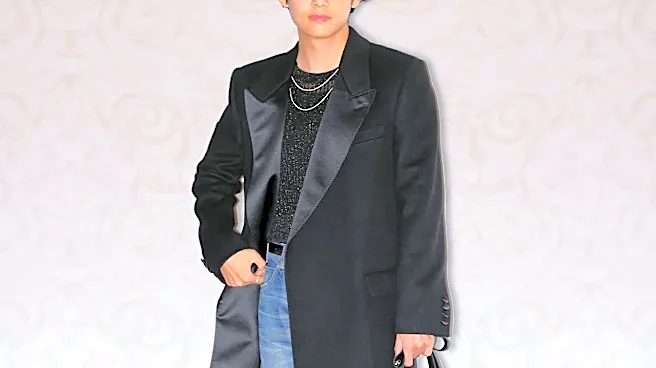
consideration gave rise to a powerful fashion moment in the 1990s and early 2000s: the statement evening coat. More than just a way to ward off a chill, these coats were an integral part of an star's ensemble. They weren't meant to be checked at the door; they were designed for the flashbulbs. This was an era before stylists meticulously planned every look down to the last millimeter, allowing for a more personal, and sometimes more practical, approach to premiere dressing. The coat added a layer of mystery and drama, a grand entrance before the grand entrance of the dress reveal.
An Era of Androgyny and Texture
The '90s, in particular, was a decade that embraced a certain androgyny and textural richness, making it fertile ground for outerwear as a statement. Think of Gwyneth Paltrow's iconic red velvet Tom Ford for Gucci suit from 1996. While she wore it to the MTV Awards, it typified the era's aesthetic that spilled onto festival carpets: luxe velvet, sharp tailoring, and a relaxed confidence. This look wasn't about a frothy gown; it was about the power and glamour of the suit jacket itself. Similarly, stars like Jennifer Aniston and Winona Ryder were often seen in perfectly oversized leather or wool coats that completed their cool, off-duty-but-on-duty looks. Oprah Winfrey's satin tapestry coat at the 1998 premiere of Beloved is another prime example of the coat being the centerpiece, a piece of wearable art.
Nicole Kidman: A Case Study in Outerwear
Few stars have navigated the evolution of red carpet style as masterfully as Nicole Kidman. Throughout the 90s and 2000s, her TIFF appearances often featured remarkable outerwear. Her style during this period leaned into elegant tailoring and luxurious fabrics. Whether it was a sharply tailored blazer, a full-length wool coat, or an intricately embroidered jacket, the outer layer was never an afterthought. It was part of a complete narrative, telling a story of quiet sophistication or high-fashion drama. Her choice of a simple, dark blazer and pants for a TIFF event years later showed a modern, powerful evolution of this same principle. These weren't just coats; they were extensions of a carefully crafted public persona that blended classic Hollywood with a modern edge.
The Shift to the 'One-Look' Red Carpet
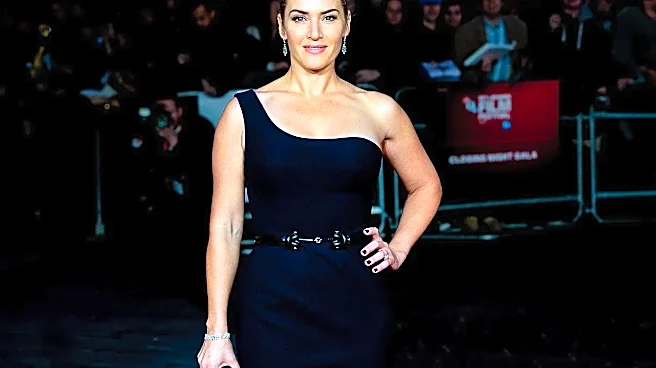
So, where did all the coats go? The modern red carpet is a different beast. The rise of the celebrity stylist in the late '90s and early 2000s professionalized premiere dressing. The focus shifted to a single, breathtaking look—typically a gown—that had to be perfect from every angle for a global audience on social media. A coat, no matter how beautiful, complicates that singular image. Logistics also play a part; most major red carpets are now tented and climate-controlled, removing the practical need for an outer layer. A quick glance at the 2026 TIFF red carpet confirms this shift. Stars like Cynthia Erivo in Dior, Naomi Watts in Celine, and Lalisa Manobal in Louis Vuitton arrived in stunning, complete looks that needed no addition. The focus is on intricate gowns, bold colors, and sculpted silhouettes—fashion moments designed to be captured and shared instantly, unencumbered by outerwear.