



First, What Is Pitti Uomo?
Before we get to the clothes, let’s set the scene. Pitti Uomo is the world’s most important trade show for menswear. It’s where designers and brands showcase upcoming collections to buyers and the press. But over the years, it’s become equally famous
for the street style outside the main exhibition hall, the Fortezza da Basso. Photographers swarm to capture the looks of the attendees—a mix of editors, buyers, influencers, and tailors—who treat the piazza like a runway. This is where you see menswear ideas born in real time. The 'Pitti Peacock,' a term for the most flamboyantly dressed attendees, gets a lot of attention, but the real lessons come from the men who master the subtle codes of Italian style.
The Art of Sprezzatura
If you learn one Italian word, make it *sprezzatura*. It translates loosely to “studied carelessness” or “effortless elegance.” It’s the art of looking perfectly put-together, but in a way that seems entirely natural and unforced. Think of a tailored suit jacket paired with slightly worn-in sneakers, a tie that’s just a little askew, or the unfastened buckle on a monk-strap shoe. It’s the imperfection that makes the perfection so compelling. How to borrow it? Don’t overthink it. Instead of a perfectly folded pocket square, just stuff it in with a bit of casual flair. Leave one button on your sport coat cuff undone. It’s a quiet signal of confidence that says you know the rules so well you can afford to gently break them.
Mastering the Unstructured Blazer
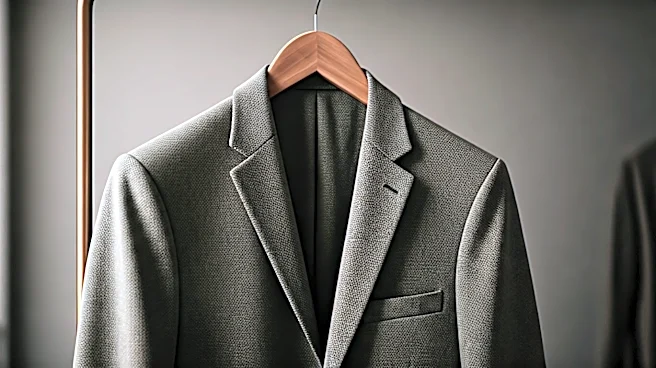
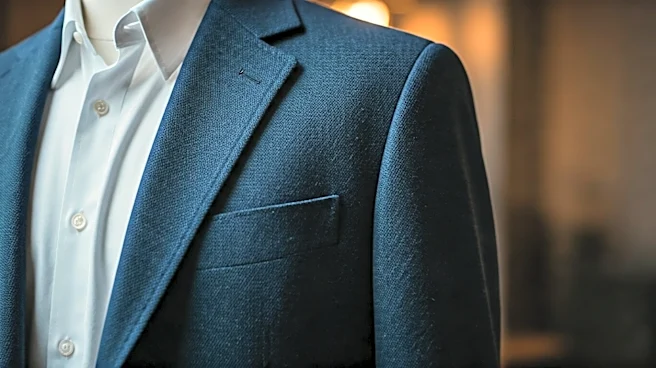
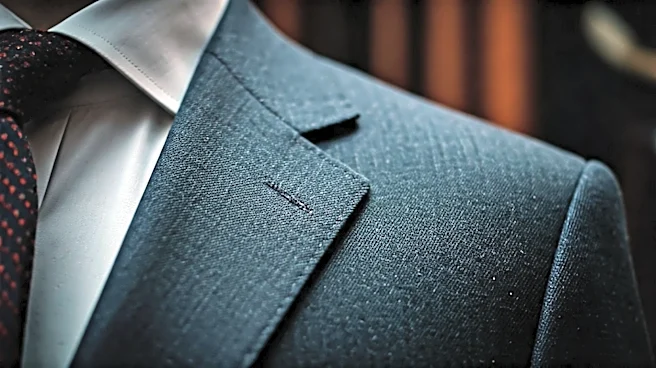
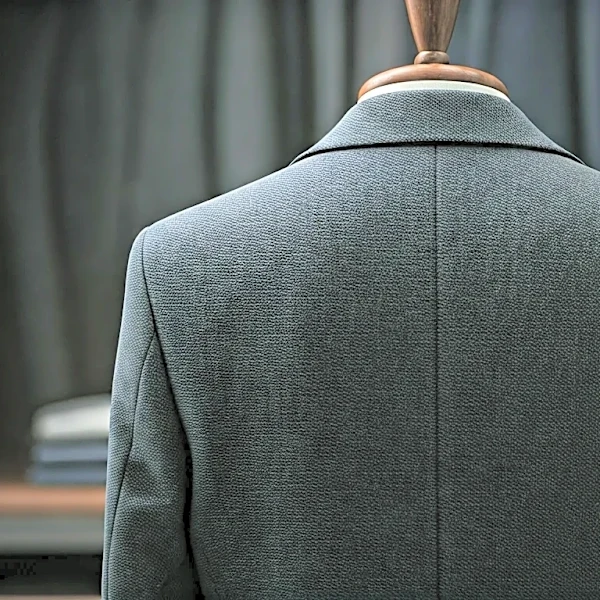
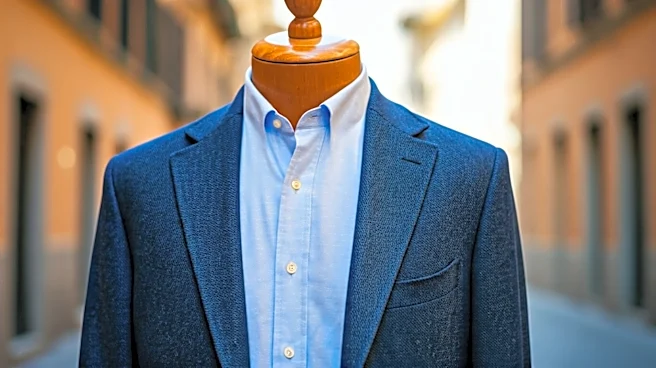
American tailoring often leans on structure: padded shoulders, stiff canvassing, and a formal silhouette. The Italian approach, particularly the Neapolitan style seen all over Pitti, is the opposite. The unstructured blazer is a masterpiece of soft construction. It has little to no padding in the shoulders, a light-as-air feel, and drapes over your body like a comfortable cardigan. This creates a silhouette that is sharp but relaxed, formal enough for a meeting but comfortable enough for a long lunch. It’s the ultimate piece of versatile clothing. To incorporate it, look for a sport coat in a material like linen, cotton, or a lightweight wool and notice how it moves with you, not against you. It’s the perfect upgrade from a hoodie or a bomber jacket when you want to look sharp without feeling stuffy.
The Confidence of Color and Texture
While many American men stick to a safe palette of navy, gray, and black, the Pitti Uomo crowd embraces color with gusto. You’ll see everything from soft pastels and rich earth tones to bold, vibrant shades of ochre, terracotta, and olive green. The key isn't just wearing bright colors, but *how* they’re worn. They are often grounded with neutral trousers or layered with complementary textures. A rust-colored linen jacket, for instance, might be paired with cream-colored trousers and a simple white shirt. Texture is just as important. Combining different materials—a wool tie with a cotton shirt and a linen jacket, for example—adds visual depth and sophistication. Start small: try a pair of colorful socks, a knit tie in a rich hue, or a pair of trousers in a shade of green or brown instead of the usual khaki.
The Power of Proportions
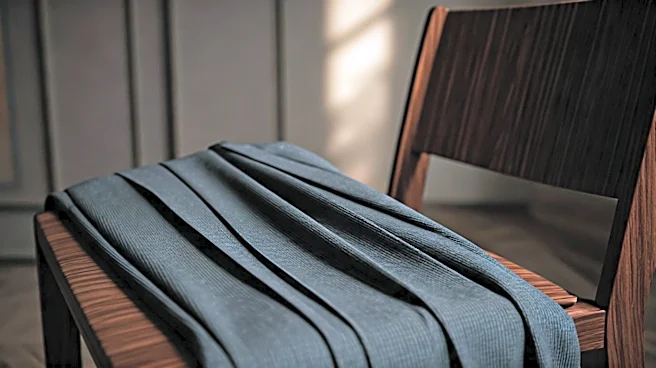
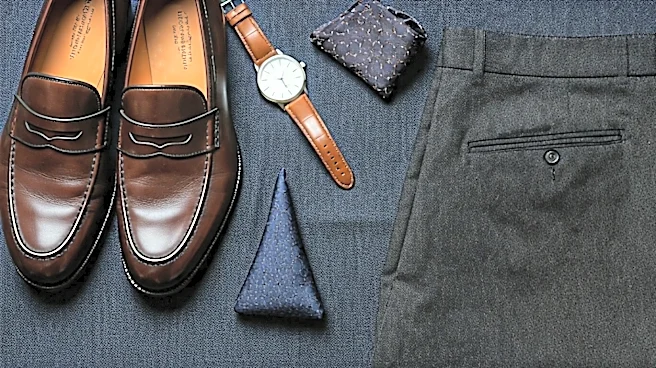
One of the more advanced moves you’ll see in Florence is a masterful play on proportions. This often manifests in higher-waisted, pleated trousers. For years, low-rise, slim-fit pants dominated American menswear. The Italian preference for a higher rise is both a nod to classic tailoring and a clever styling trick. Higher-waisted trousers elongate the legs, creating a more elegant and statuesque silhouette. When paired with a well-fitting (but not tight) shirt or jacket, the look is incredibly flattering. The pleats add a touch of old-world charm and, more practically, provide more comfort and room to move. If you’re tired of skinny chinos, try a pair of pleated trousers with a clean break at the ankle. It’s a subtle shift that makes a world of difference.