


The Real Goal: Connection, Not Control
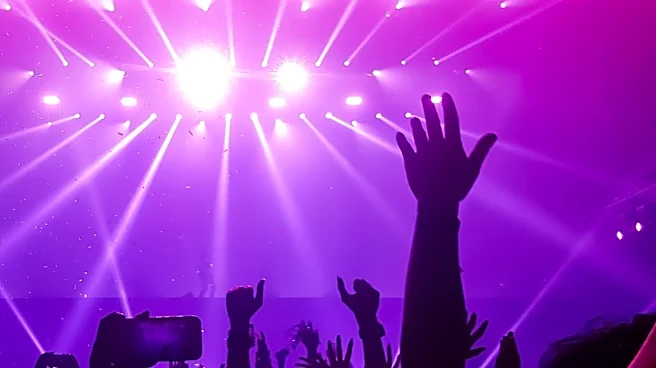
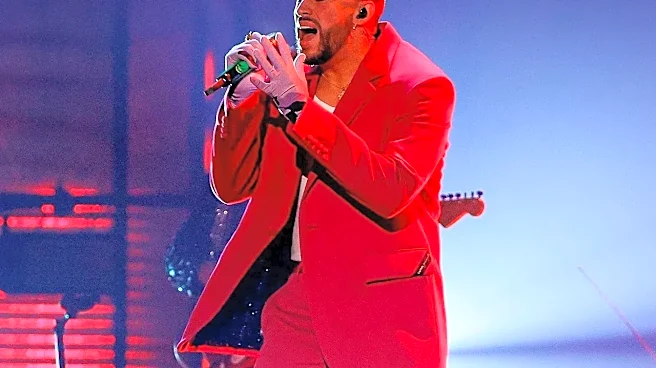
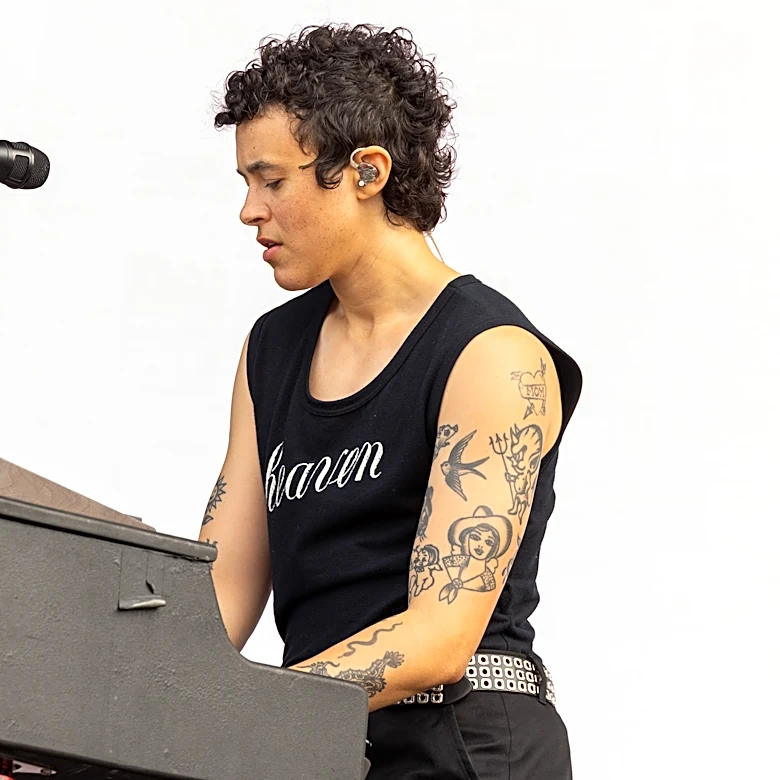
Watching superstars like BTS, Cardi B, and Kenny Chesney own the stage at the T-Mobile Arena, it’s easy to focus on the spectacle. But the real magic isn’t just about volume or pyrotechnics; it’s about connection. The world’s biggest artists understand
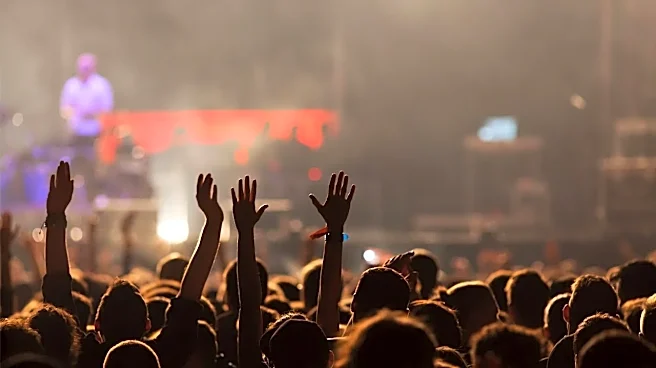
that a crowd isn’t a monolith to be controlled but a room full of individuals to be engaged. The primary goal of 'crowd control' on a stage of any size is to make every single person feel seen. This was evident in the festival's design, which even included immersive, artist-themed rooms outside the main arena to deepen that fan-artist bond before the show even started. For an emerging act in a small club, this means learning names, acknowledging familiar faces, and making eye contact with the people in the back.
Direct the Energy with Simple Call-and-Response
You don't have the budget for a massive lighting rig that tells 20,000 people when to put their hands up, but you have a microphone. Superstars use call-and-response for a reason: it’s the most direct and effective way to unify a crowd and make them part of the show. Whether it's a simple 'hey-ho' chant or having the audience sing back a chorus, this technique instantly turns passive listeners into active participants. At a massive event like iHeartRadio, it makes an arena feel intimate. In a bar with 50 people, it makes the show feel like a movement. The key is to keep it simple, clear, and confident. Start with a part of your song that is incredibly easy to catch on to and lead the crowd with obvious, encouraging gestures.
Master Your Pacing and Transitions
One of the clearest distinctions between an amateur and a pro is what happens between songs. Dead air is a momentum killer. The artists at iHeartRadio, from rock legends like Muse and Weezer to pop acts like Zara Larsson, delivered sets that flowed seamlessly. They use transitions to guide the audience's energy—building it up with back-to-back bangers, then bringing it down for a heartfelt moment before launching into the next peak. For an emerging artist, this means planning your setlist not just by song, but by the emotional journey you want the audience to take. Use a short, personal story, a quick band introduction, or even a simple instrumental vamp to bridge the gap between songs. Never leave the audience wondering what’s next.
Acknowledge the Entire Room, Not Just the Front Row
In a massive venue like the T-Mobile Arena, performers make a conscious effort to play to every corner of the space. They walk the length of the stage, point to the upper decks, and speak directly to the people farthest away. This is a crucial lesson in making everyone feel included. In a smaller venue, it's even more powerful. It’s easy to get locked into performing for the five people dancing right in front of you. Break that habit. Make a point to engage the person leaning against the back wall, the couple sitting at the bar, and the group tucked into a corner booth. A simple nod or a pointed lyric in their direction can transform a disengaged observer into a dedicated fan for life.
Use Social Media as Your Digital Stage
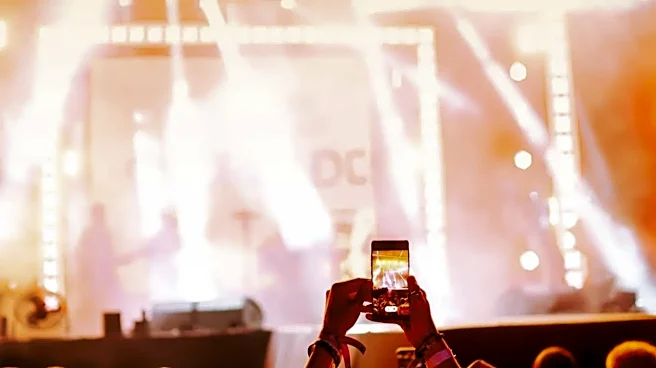
The iHeartRadio Music Festival experience wasn't confined to Las Vegas; it was a massive online event. The festival and its artists use social media to build hype, share behind-the-scenes moments, and create a sense of community that extends far beyond the physical venue. Emerging artists can replicate this on a smaller scale. Use Instagram stories to poll your followers on what cover song they want to hear. Go live for a few minutes during soundcheck. Encourage user-generated content by creating a unique hashtag for your shows. This builds a direct line of communication and makes your audience feel like collaborators in your journey, fostering a loyalty that translates directly into ticket sales and a packed room at your next gig.