








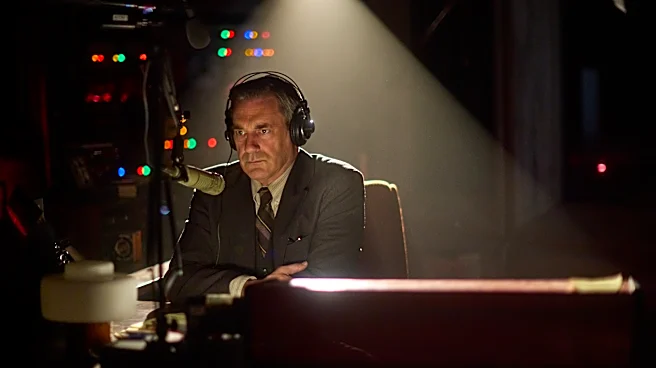
Welcome to the Theater of Your Mind
The most significant difference between audio and visual storytelling lies in who does the imaginative work. When you watch a TV show or a movie, the world is built for you. The director chooses the actors, the set designer builds the rooms, and the cinematographer
frames the shots. You are a spectator viewing their finished creation. An audio narrative, however, is a collaboration. The writer provides the script and the voice actor delivers the lines, but your brain does the rest. You cast the characters, paint the scenery, and direct the action in what's often called the "theater of the mind." Studies have suggested that the brain is more active when listening to stories than when watching television because it must construct the visual world from scratch. When a spoiler hits, it doesn't just ruin a plot point; it shatters a world you personally helped build. The image you had of the main character or the chilling atmosphere you conjured for a specific scene is suddenly replaced by a detached piece of information, breaking a deeply personal creation.
The Unseen Friend in Your Ear
Podcasts create a unique sense of intimacy. Hosts and narrators often speak in a conversational tone, piped directly into your ears, creating a one-on-one feeling that's distinct from the detached experience of watching actors on a screen. This fosters what psychologists call a parasocial relationship: a one-sided, perceived friendship with a media figure. You're not just listening to a story; you're having it told to you by someone who feels like a companion. This intimacy is especially potent during activities like commuting, exercising, or doing chores, where podcasts become a consistent part of our routines. One study found that podcast listeners reported feeling more passionate about their favorite podcast host than TV viewers did about their favorite actors. When that trusted narrator is guiding you through a complex mystery or a heart-wrenching drama, a spoiler can feel less like a simple plot reveal and more like a breach of trust in that intimate storytelling contract. The surprise was meant to be shared between you and the narrator, and an outside spoiler disrupts that bond.
A Slower, More Deliberate Burn
The way we consume podcasts also plays a crucial role. While television has increasingly moved toward a full-season, binge-watch model, many narrative podcasts still rely on a weekly or bi-weekly release schedule. This slower, more deliberate pacing builds anticipation over a longer period. Each week, you're left to marinate on the latest cliffhanger, theorize about what comes next, and fully immerse yourself in the world. This extended engagement creates a deeper investment in the narrative's outcome. The suspense builds slowly, making the eventual payoff feel more earned and significant. A TV show you binge over a weekend is a whirlwind affair; a podcast you follow for ten weeks becomes a fixture in your life. A spoiler for the former might be annoying, but a spoiler for the latter can feel like it robs you of weeks of patient anticipation and thoughtful engagement, ruining not just a moment but a long-term experience.
The Journey Is the Destination
While some studies have counterintuitively suggested that spoilers can sometimes increase enjoyment for visual media by reducing cognitive load, this doesn't always translate to audio. For many narrative podcasts, particularly true crime and mysteries, the process of discovery is the entire point. You are piecing together clues alongside the host, weighing evidence, and experiencing the twists and turns in real time. The journey is the destination. Unlike a prestige TV drama, where knowing the ending might allow you to appreciate the cinematography or acting on a deeper level, a spoiler in a narrative podcast can render the entire listening experience moot. There's often no complex visual tapestry to fall back on. The core pleasure comes from the suspense and the gradual reveal of information. Once the destination is known, the carefully crafted path to get there loses much of its power and intrigue, leaving the listener with little reason to continue the journey.