
The Economics of Passion
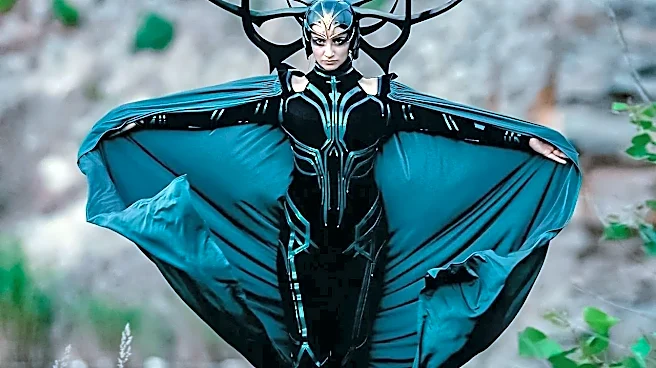
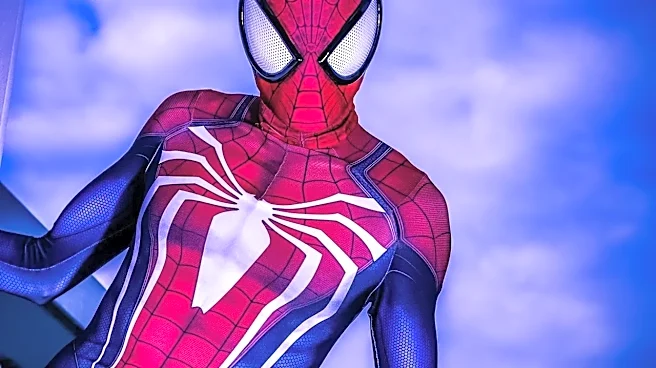
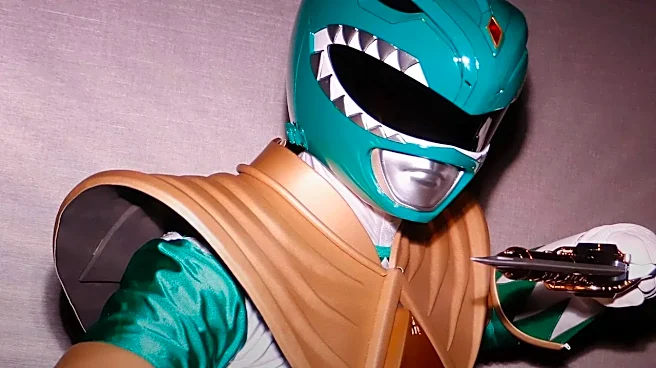
Before a single photo is snapped at the Javits Center, a cosplayer has already made a significant investment. High-quality cosplay is an expensive and time-consuming endeavor, often involving hundreds
of hours of work and significant financial outlay for materials like fabric, EVA foam, 3D printing filament, and electronics. This effort is a powerful market signal. Unlike a passive social media 'like' or a view, a detailed costume represents a deep, active commitment to a character. When dozens or even hundreds of attendees choose to embody the same character—especially a more obscure one—it demonstrates a level of audience dedication that corporations notice. It tells publishers and studios that a passionate, engaged fanbase exists, one willing to invest its own resources into celebrating a piece of intellectual property. This visible passion is a form of organic, high-impact marketing that can’t be bought.
A Human Discovery Engine
In an era of algorithm-driven content, cosplay acts as a human discovery engine. Social media platforms can tell a studio which character is getting clicks, but they can't always capture the why. A surge in cosplay for a specific character, however, provides qualitative data. It highlights which designs are visually compelling, which personalities resonate, and which stories have captured the audience's imagination long after their initial release. For example, if a character from a video game that hasn’t had a new installment in years suddenly becomes a cosplay staple at NYCC, it sends a clear message to the game developer: there is still energy and love for this world. This can influence decisions about reboots, sequels, or merchandise. The collective choices of cosplayers on the convention floor function as a grassroots focus group, pointing toward untapped potential within a company’s vast library of characters.
Keeping the Flame Alive
Major media franchises often operate on a cycle of massive promotional blitzes followed by long periods of quiet. A blockbuster film comes out, dominates the cultural conversation for a few months, and then fades as the studio moves on to the next project. Cosplay serves as a crucial bridge across these content gaps. By continuously creating, sharing, and iterating on costumes, cosplayers keep characters visible and the fan community engaged between official releases. Events like New York Comic Con become annual showcases that reignite conversation and maintain a character's relevance. This sustained visibility ensures that when the next sequel, season, or comic book arc is announced, the audience is already primed and excited. The characters never truly go away because the fans refuse to let them, embodying them year after year and keeping them part of the pop-culture landscape.
When Fans Reshape the Narrative
The influence of cosplay isn't just about visibility; it can also be about interpretation. Cosplayers don't always create a 1:1 replica of a character's official design. They create gender-bent versions, steampunk reimaginings, or mashups with other franchises. These fan-driven interpretations can sometimes feed back into the source material. A popular fan design or a widely cosplayed 'headcanon' (a fan's personal interpretation) can subtly influence future official artwork or character development. Furthermore, by cosplaying as background characters, fans can elevate them to a level of popularity that creators may not have anticipated, sometimes leading to expanded roles in future stories. It's a dynamic conversation between the creators and the audience, where the fans, through their creative expression, get a say in the ongoing evolution of the characters they love. This turns passive consumption into active participation in the storytelling process.