



The Psychology of the Roar
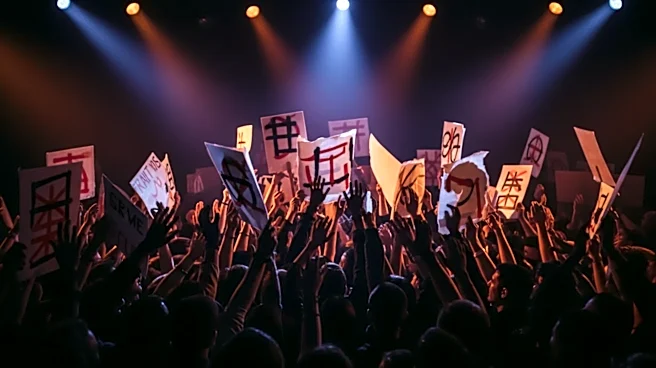
At its core, a stadium chant is a primal act of community building. When thousands of voices join in a rhythmic cheer, individuality melts away, replaced by a powerful collective identity. This shared experience amplifies emotion, whether it's joy, tension,
or aggression, creating a palpable energy that fans and players alike can feel. Psychologically, it’s about belonging; chanting signals you are part of the in-group. Traditionally, this energy was directed inward, to motivate the home team, or outward, to intimidate the opponent. But increasingly, that energy is being imported from a world far beyond the stadium walls, carrying with it the fractures and debates of modern American life.
When the Chant Becomes Code
Perhaps no recent example illustrates this shift better than the phrase, "Let's Go Brandon." It began in October 2021 at a NASCAR race, where a crowd was chanting an expletive against the president. An NBC reporter, either mishearing or attempting to deflect, reported the chant as "Let's Go, Brandon!" in support of the winning driver, Brandon Brown. The moment went viral, and the phrase was instantly adopted by critics of the administration as a coded, family-friendly way to express their disapproval. It quickly appeared on signs, masks worn by politicians on the House floor, and was even uttered by a pilot over a Southwest Airlines intercom. The chant demonstrated how a stadium could serve as an incubator for a political slogan, which then breaks containment and becomes a national talking point.
More Than Just Words
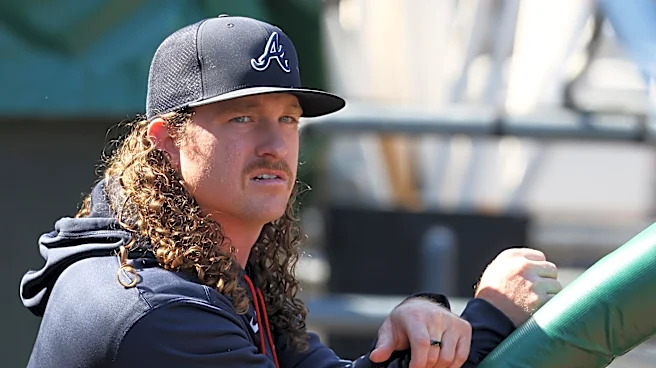
This phenomenon isn't limited to one side of the political aisle or even to explicit politics. For decades, the "Tomahawk Chop" used by fans of the Atlanta Braves, Kansas City Chiefs, and Florida State Seminoles has been a point of contention. While fans see it as a celebratory rallying cry, many Native American groups and activists view it as a demeaning caricature that reduces their culture to a stereotype. The debate forces a confrontation between fan tradition and cultural sensitivity, turning a simple gesture into a recurring national argument about respect and representation. Similarly, moments of silence, kneeling during the national anthem, or chants in support of social justice causes have turned sports venues into platforms for conversations about race and equality, much to the discomfort of fans who see sports as an escape from politics.
The Uncomfortable Position of Power
As stadiums become accidental arenas for national debate, teams, leagues, and broadcasters are put in an increasingly awkward position. Do they ignore the chants and risk appearing complicit? Do they acknowledge them and risk alienating a segment of their audience? Following the "Let's Go Brandon" incident, NASCAR and NBC reportedly took steps to limit ambient crowd noise during interviews. In response to criticism of the Tomahawk Chop, the Atlanta Braves have at times stopped distributing foam tomahawks and limited the use of the accompanying music, especially when playing against teams with players who have voiced objections. These reactions highlight a central tension: sports franchises are commercial enterprises that want to attract the broadest possible audience, but the passions they inspire are no longer confined to the game on the field.