




The Yellow Card: A Formal Warning
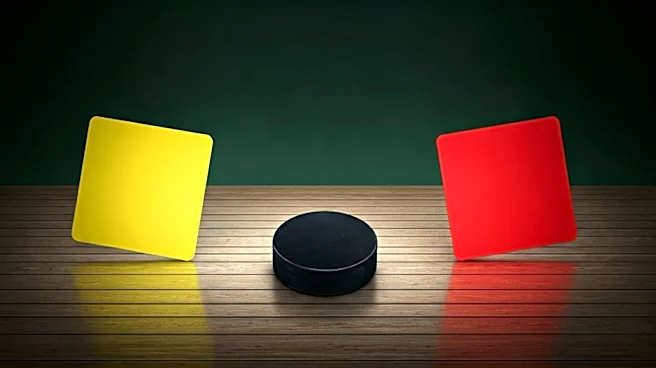
Think of a yellow card in soccer as a stern, officially documented “knock it off.” When a referee brandishes that little yellow rectangle, the game doesn't immediately change in terms of numbers. The team still has 11 players on the field. What changes is the status of the offending player. They are now on a razor's edge for the remainder of the match. Common infractions that earn a yellow include “unsporting behavior” (a catch-all for anything from a tactical shirt-pull to diving), persistent fouling, or dissent by word or action. The card serves as a public record. It tells the player, their coach, the opponent, and everyone in the stadium that one more significant misstep could have dire consequences. The most crucial rule attached to it?
A second yellow card to the same player in the same match automatically becomes a red card. This mechanic creates a unique tension, where a cautioned player becomes a target for savvy opponents trying to draw another foul.
The Red Card: The Ultimate Punishment
If a yellow card is a warning, a red card is the sentence. It is the most severe punishment an on-field official can dispense in soccer. It means immediate expulsion from the game. The player must leave the field, and their team is not allowed to replace them. For the rest of the match—whether it's the 10th minute or the 89th—that team must play shorthanded. This is a brutal, often game-deciding, disadvantage. A player can receive a red card in two ways: by accumulating two yellow cards, or by a “straight red” for a single, egregious offense. These include serious foul play (a dangerous, reckless tackle), violent conduct (punching, spitting), or denying an obvious goal-scoring opportunity with a handball or foul. The finality of the red card is its defining feature. There's no waiting for a clock to run out; the punishment is permanent for that game.
The Hockey Penalty Box: A Timed Disadvantage
Now let's skate over to the ice rink, where the philosophy of punishment is entirely different. The most common penalty in hockey is a “minor,” which sends a player to the penalty box—the “sin bin”—for two minutes. Infractions like tripping, hooking, or holding will get you sent off. Unlike soccer's permanent crippling of a team, a hockey minor creates a temporary, strategic imbalance. The penalized team plays with four skaters instead of five, while the other team gets a “power play.” This is a massive offensive opportunity. Here’s the critical twist: if the team with the advantage scores a goal, the penalty immediately ends, and the player is released from the box. This rule makes the power play a frantic, high-stakes mini-game within the larger contest. The penalty's goal is to award the wronged team a specific, timed opportunity to score.
Hockey's Escalation: Majors and Misconducts
Hockey's system has more layers than just the two-minute minor. For more serious offenses, like fighting or a dangerous hit intended to injure, officials can assess a “major penalty.” This is a five-minute power play for the opposition. Unlike a minor, a major penalty is not nullified by a goal. The offending team must serve the full five minutes shorthanded, regardless of how many times the other team scores. It's a much more severe punishment that can completely shift a game's momentum. Beyond that, there are “misconduct” penalties. A ten-minute misconduct is a personal timeout; the player sits for ten minutes, but their team can immediately substitute another player on the ice. A “game misconduct” ejects the player, but again, after any associated major penalty time is served, the team can return to full strength—a key difference from a soccer red card.