


The Golden Age of the Unskippable Anthem
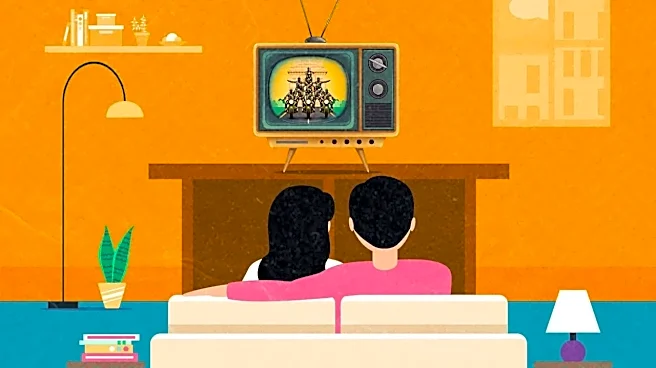
There was a time when a show’s opening credits were a non-negotiable part of the experience. The funky bassline of Seinfeld, the opening chords of Friends, or the story-in-a-song of The Fresh Prince of Bel-Air weren’t just introductions; they were invitations.
These themes were cultural glue, giving viewers a weekly ritual and setting the show's entire mood in 60 seconds. They were mini-commercials for the show itself, creating a sonic brand that was instantly recognizable. Whether you were gathering the family or settling in for the night, the theme song was a signal to put everything down and pay attention—the story was about to start. They became so iconic that they topped music charts and lived on far beyond their series finales, embedded in the pop culture consciousness.
How the 'Skip Intro' Button Changed Everything
So, what happened? In a word: streaming. The rise of binge-watching on platforms like Netflix fundamentally changed our relationship with television. An intro you heard once a week became a repetitive obstacle when you were watching six episodes in a row. Tech companies, obsessed with user retention data, quickly realized that long intros correlated with viewer drop-off. And so, the fateful “Skip Intro” button was born, training a generation of viewers to see theme songs as a nuisance rather than a feature. At the same time, the economics of television shifted. Networks wanted to cram more ad time into every hour, and showrunners, pressured to hook viewers in the first 10 seconds, favored jarring cold opens over a leisurely musical intro. The theme song became a perceived liability—too expensive to license, too long for modern attention spans, and too easily skipped.
The TikTok-to-Billboard Pipeline
Just as technology killed the theme song, a new kind of tech might be bringing it back. In today’s oversaturated media landscape, where thousands of shows compete for attention, standing out is everything. And what’s a better way to build a brand than with a killer, earworm-worthy theme? Shows like The White Lotus, Succession, and Severance have recently proven that a distinctive instrumental theme can become a cultural event in its own right. These themes don't just set a mood; they generate memes, remixes, and endless social media chatter. A catchy 30-second sound is the perfect fuel for a TikTok trend, giving a show free, organic marketing that money can't buy. Kate Bush's 1985 song "Running Up That Hill" saw a massive resurgence after being featured in Stranger Things, proving how powerfully music can define a show for a new generation.
Why Fall 2026 Is the Perfect Moment for a Revival
This brings us to now. After years of minimalist title cards and blink-and-you-miss-it jingles, audiences are starved for personality. The nostalgia for older shows is at an all-time high, driven in large part by the very social media platforms that thrive on their theme songs. As we head into the fall 2026 television season, executives at major streamers and networks are undoubtedly looking for the next breakout hit in a sea of content. The savviest among them may realize that investing in a bold, memorable, and—most importantly—unskippable theme song isn't a throwback. It’s a modern marketing masterstroke. It's a way to create an audio identity that cuts through the noise and lodges itself in the brains of viewers, turning passive watchers into active fans who don't just watch the show—they feel it, share it, and sing along.