




The Roar Before the Stage
Imagine a cavernous theater filled with thousands of television’s most talented artists. A presenter steps to the microphone to announce a winner for something like Outstanding Sound Mixing or Outstanding Technical Direction. They open the envelope, and instead
of a single famous name, they begin reading a list—sometimes 10, 20, even 30 names long. Before they’re even halfway through, a wave of sound builds from a corner of the auditorium. It’s not polite applause; it’s a roar. It’s the sound of an entire team—the editors, the camera operators, the sound mixers, the lighting directors—realizing they’ve just won television’s highest honor together. What follows is a beautiful kind of chaos: a stampede of tuxedos and gowns, a traffic jam of pure, unadulterated joy as the team tries to navigate the aisles and get to the stage before the orchestra plays them off.
The Unseen Army Gets Its Moment
The Creative Arts Emmys, held the weekend before the main telecast, are dedicated to honoring the technical and artistic achievements of the people who don't walk the main red carpet. These are the “below-the-line” professionals who spend months, sometimes years, bringing a show to life. For every director or star, there are hundreds of crew members working grueling hours. Comedian Wanda Sykes, speaking at the 2026 ceremony, noted, "Television isn't made by a handful of people. It's made by thousands of talented people solving impossible problems together to create something great." In categories like Outstanding Variety Special (Live), which the "The Apple Music Super Bowl LX Halftime Show Starring Bad Bunny" won in 2026, the list of winners can include dozens of key crew members from lighting designers to camera operators. For these craftspeople, this award isn’t just a line on a resume; it's a rare, public validation of their artistry in a business that often renders them invisible.
A Traffic Jam of Tuxedos
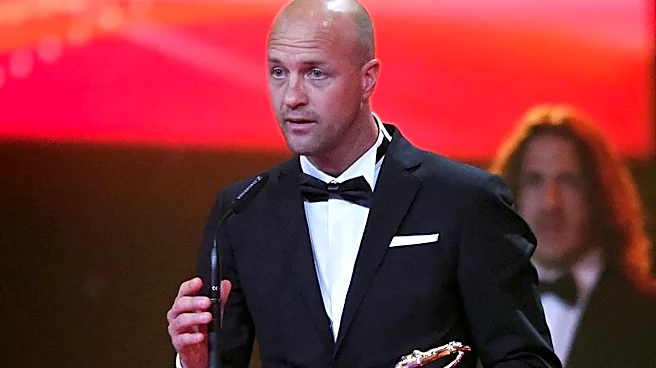
The logistics of the moment are almost as entertaining as the win itself. While the main Emmy broadcast has the luxury of a single winner or a small group gracefully approaching the stage, these large-group wins are a frantic, heartwarming scramble. Dozens of people pour out of their seats, hugging, high-fiving, and trying to make their way toward the distant stage. Only a representative few will actually make it to the microphone to give a speech, often shouting breathless thanks to their families and colleagues as their teammates cheer them on from the stage steps or the aisle. The image is a powerful one: a literal team, celebrating a collective victory in an industry that so often focuses on individual star power. It’s a visual representation of the collaboration that television requires, a jumble of talent united in a single, triumphant moment.
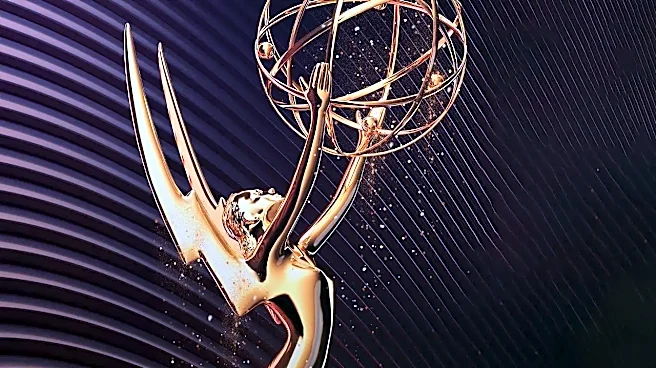
More Than Just a Statue
While the shared victory is deeply personal, its professional impact is just as significant. An Emmy win, even as part of a large team, is a powerful endorsement of an artist's skill. It can open doors to bigger projects, higher-profile series, and greater creative opportunities. For a sound editor, cinematographer, or production designer, having “Emmy Award Winner” attached to their name is a universally recognized seal of excellence. It elevates their standing within their specific craft and across the industry. For many, it’s the culmination of a lifetime of work, a symbol of having reached the pinnacle of their profession. Shows that dominate the Creative Arts awards, like "The Traitors" which picked up six wins on the first night in 2026, often do so because of the consistent excellence of these large, integrated teams.