




Complex Plot and Subplots
The first and most obvious thing to go is the intricate narrative. A feature film has the luxury of building a world, developing multiple storylines, and weaving them together. A haunted house has about three to four minutes to make an impression. As
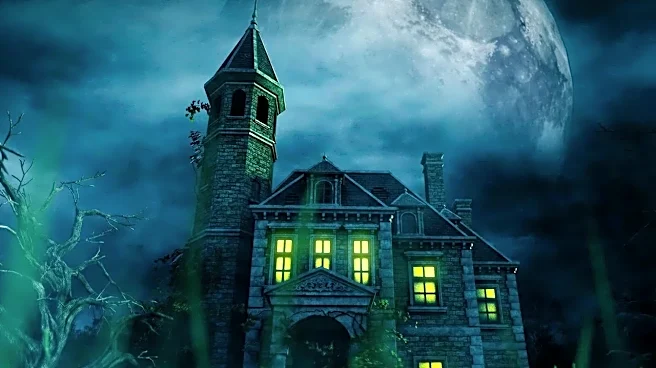
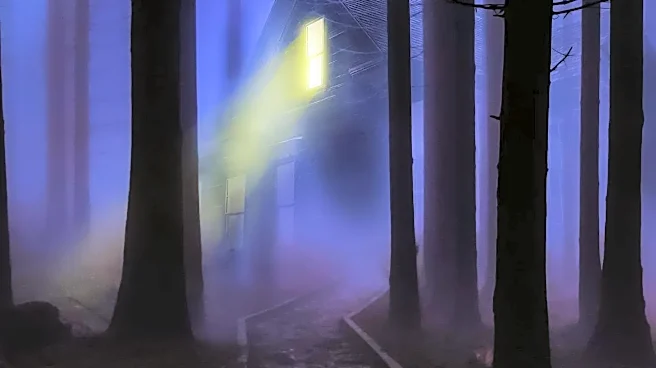
a result, designers focus on creating a “greatest hits” of the film’s most iconic scenes and scares. The delicate storytelling of The Haunting of Hill House, for example, can't be fully replicated in a walkthrough. Instead, you get a highlight reel of its most visually arresting and terrifying moments—the Bent-Neck Lady, William Hill—without the deep, connecting narrative that gives them emotional weight on screen. The maze becomes a series of terrifying, bite-sized vignettes rather than a coherent A-to-B story.
Character Development and Arcs
In a movie, you spend time with characters, learning their motivations, fears, and relationships. This emotional investment is what makes the horror truly land. In a haunted house, there is simply no time for that. Character development is sacrificed for character recognition. You might see a scareactor dressed as a key protagonist, but their role is to react in terror or appear in peril to cue a scare. Their complex journey of self-discovery or descent into madness is gone. Think of a film like An American Werewolf in London. The protagonist David's internal struggle and guilt are central to the movie. In the maze adaptation, you experience the visceral horror of the werewolf attacks and the transformation, but the character's nuanced psychological torment is left on the cutting room floor.
Slow-Burn Tension and Pacing
Some of the best horror films are masters of the slow burn, using atmosphere, sound design, and cinematography to build dread over long stretches. Stanley Kubrick’s The Shining is a prime example of a film that creates terror through unsettling quiet and psychological decay. When adapting such a film, maze designers face a major challenge. A haunted house has mere seconds to establish a mood before delivering a scare. The slow, creeping dread is replaced with more immediate, high-impact frights. You’ll walk through a stunningly accurate recreation of the Overlook Hotel, but the experience is punctuated by jump scares from the Grady twins or Jack Torrance bursting through a wall, rather than the sustained, oppressive atmosphere of the film.
Dialogue and Exposition
It might seem obvious, but almost all dialogue is cut. In a loud, chaotic haunted house where guests are screaming and moving quickly, spoken words are ineffective for storytelling. Any crucial plot points or backstory conveyed through dialogue in the film must be translated into purely visual or auditory cues. This means the story is told through set design, props, sound effects, and the actions of the scareactors. The creative teams at Universal are experts at this visual shorthand. A prop from a key scene or a specific, non-verbal sound effect can trigger a fan's memory, filling in the narrative gaps the maze is forced to leap over. The entire story has to work without a single line of exposition.
The Narrative 'Why'
Often, the context—the “why” behind the horror—gets trimmed down to its bare essentials. Why is the demon possessing the child? What is the detailed origin of the curse? While a film can dedicate scenes to explaining the lore, a house assumes you already know it or that you don't need it to be scared. The focus is on the what, not the why. You’re being chased by a killer in a mask; the intricate backstory of his childhood trauma isn’t part of the immediate experience. Creative directors essentially count on the guest's pre-existing knowledge of the IP to provide the context. The house is a celebration of the film's scariest moments, not a retelling of its entire plot.